world
Switzerland Increases Defense Spending and Drone Capabilities
Switzerland plans to raise defense spending to 1% of GDP by 2032 and expand drone programs. Officials cited threats from drones, missiles and cyberattacks as reasons for the changes.
May 20, 7:10 AM·2m read1 source
 Euronews
Audio version
Tap play to generate a narrated version.
Switzerland is increasing defense spending and modernizing its military equipment in response to threats from drones, missiles and cyberattacks. Swiss Defence Minister Martin Pfister said on Monday in Berlin that Switzerland wants to take responsibility for its own security and contribute to European security.
He spoke at a meeting of the DACH countries, which include Germany, Austria and Switzerland.
Switzerland currently spends about 0.7% of its GDP on defense. The government plans to increase spending gradually to 1% of GDP by 2032. Germany currently invests around 2.4% of its GDP in defense. Pfister stated that Switzerland has a militia army with about 140,000 service members. He said the army needs modernization, particularly to close gaps in air defense.
Berlin and Bern are procuring an IRIS-T SLM air defense system as part of the project. The initiative was launched in 2022 by Germany to build joint air and missile defense systems. Its goals include closing capability gaps and increasing interoperability.
Dr Marcel Berni, a lecturer at the Military Academy at ETH Zurich, said IRIS-T SLM is effective against medium-range threats but not against cheap drones. He added that layered and rapidly deployable air defense is needed.
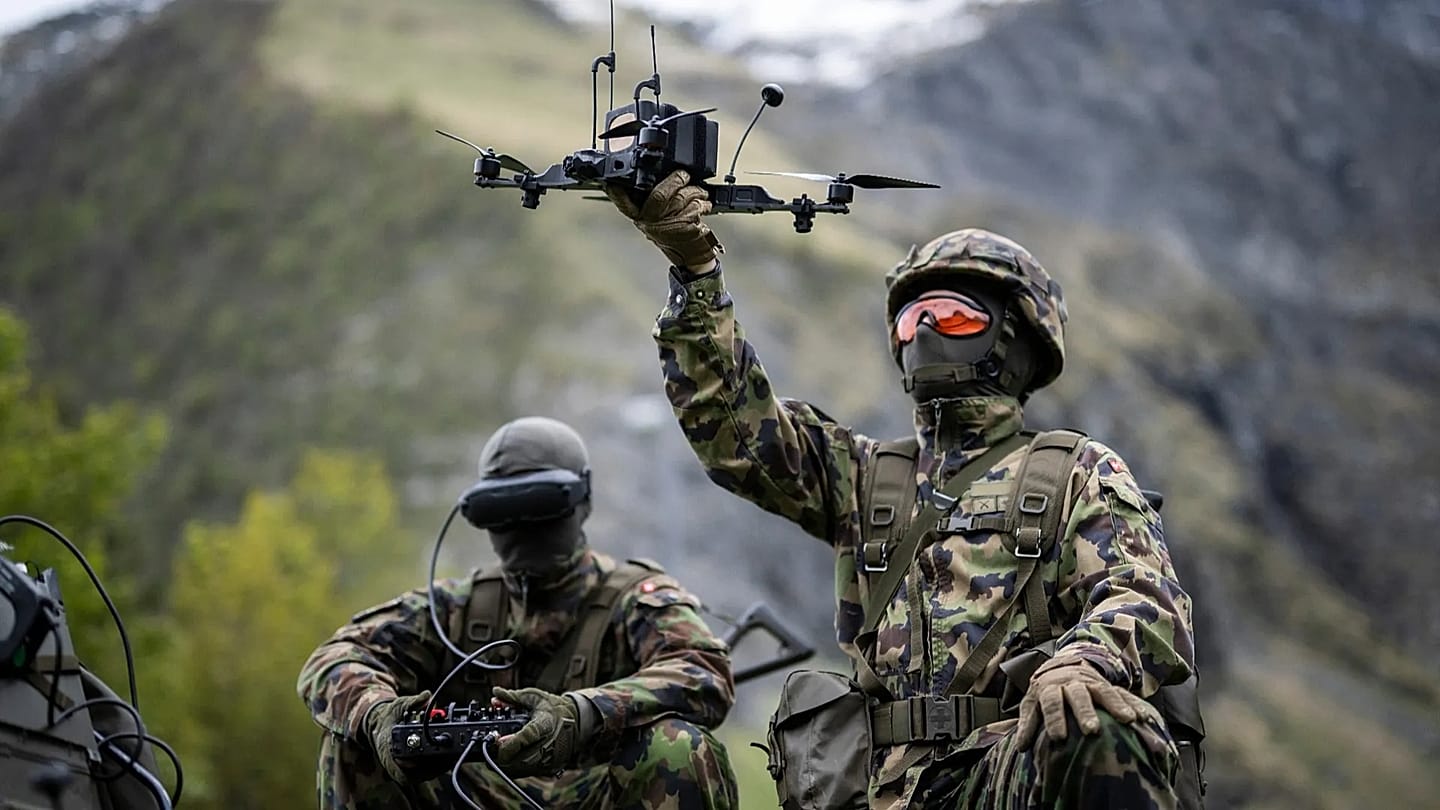
The Swiss army is expanding its drone capabilities and integrating a drone flying school into summer recruit training. The goal is for every platoon to have trained drone pilots. Switzerland plans to allocate 70 million francs for drones and counter-drone systems in the 2026 armaments package.
This amount is twice the previous year's allocation. Berni said the threat from mini-drones and drone swarms is real, especially for critical infrastructure. He noted that cheap FPV drones change the cost ratio for defenders.
Switzerland adopted neutral status in 1815.
Berni said neutrality remains popular but the security situation is pushing closer cooperation with European partners on air defense and exercises. A popular initiative seeks to write strict neutrality into the Swiss constitution. Responsibility for protecting critical infrastructure remains with civil authorities, though the army can provide support in exceptional situations.