science
Sydney Shark Bite Leaves Swimmer Critical After Arm Amputation on Patrolled Beach
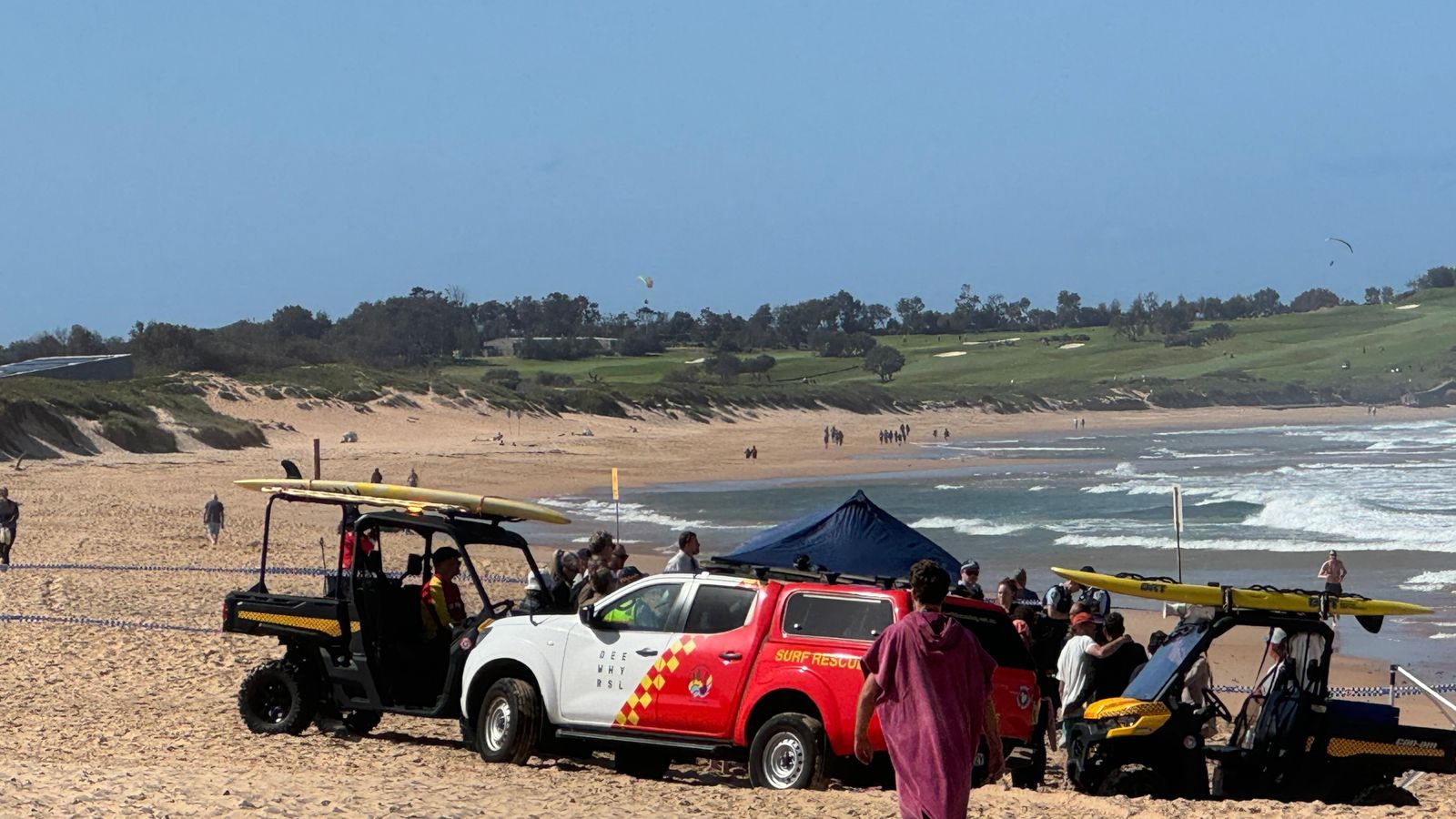
A 34-year-old woman was bitten by a suspected great white shark while swimming between the flags on a patrolled Sydney beach last Saturday. She remains in critical condition after her arm was amputated.
 news.sky.com
Audio version
Tap play to generate a narrated version.
Developing·Limited corroboration so far. This page will refresh as more sources emerge.
Leah Stewart, 34, suffered severe injuries from a suspected great white shark bite while swimming between the flags in clear water on a patrolled Sydney beach last Saturday. Her arm was amputated, and she remains in critical condition in hospital intensive care. The incident occurred in the middle of the day under conditions experts say normally reduce bite risk.
Stewart’s case is the latest in a series of shark bites and deaths that have affected Sydney beaches this year. Rob Harcourt, 65, an emeritus professor who leads Macquarie University’s marine predator research group, said many of his surfing friends have stopped entering the water.
“A lot of my surfer friends are not going in,” he said after returning from a surf at Bondi on a warm winter morning.
Australia ranks second globally after the United States in the number of shark bites on humans. 1 per year in the 1950s to 12 in the 2000s and 21 so far this decade. Deaths have also increased.
8 in the current decade. Dr Daryl McPhee of Bond University said the last five years have averaged four deaths annually, with four already recorded in 2026. Harcourt said warming ocean temperatures are bringing bull sharks into the Sydney area for longer periods and that tiger sharks also prefer warmer water.
He noted that populations of seals and whales, which serve as food for larger sharks, have recovered since hunting ended. Shark net catch data shows no significant increase in shark numbers, Harcourt said. He added that an increase in bites cannot be explained by more sharks alone.
McPhee said bite risk varies by beach, day, and species, and that the location of a shark’s food such as seals or schools of fish is a major factor. He said culls are unlikely to work because sharks are migratory. Australia introduced shark nets at beaches more than 80 years ago.