world
Taiwan Legislature Approves $25 Billion Defense Spending Supplement Through 2033
Taiwan’s legislature approved a $25 billion defense supplement on May 8, 2026, to run through 2033. The measure, lower than President Lai Ching-te’s original $40 billion request, passed after government representatives abstained. FDD reported the funds will support major U.S. arms purchases amid stalled approvals.
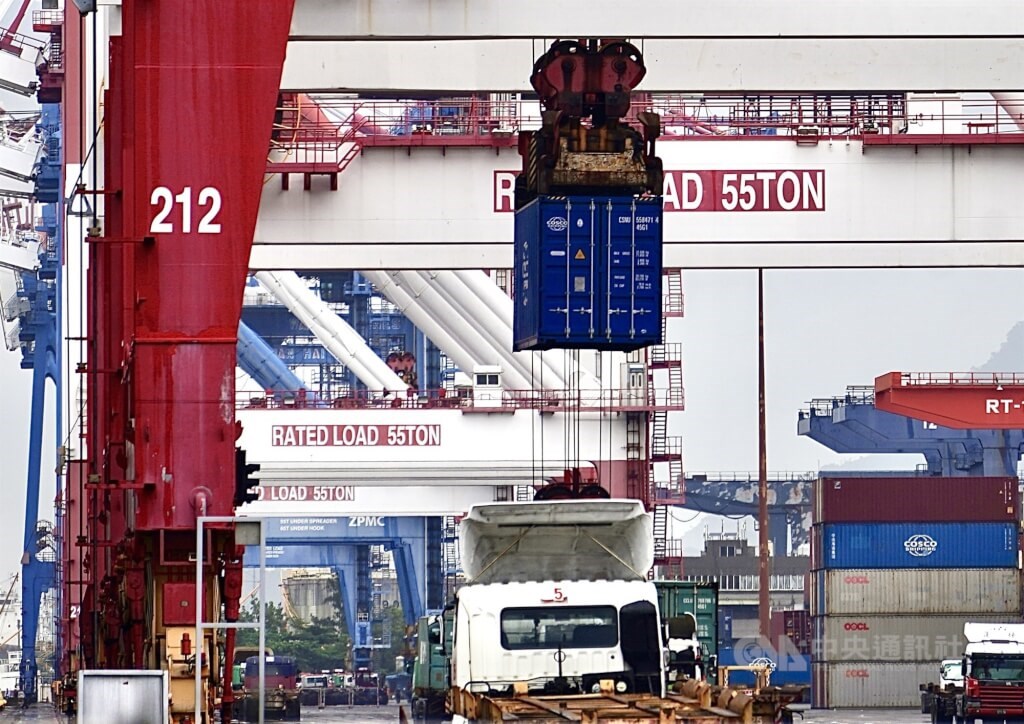 focustaiwan.tw
Audio version
Tap play to generate a narrated version.
Developing·Limited corroboration so far. This page will refresh as more sources emerge.
Taiwan’s legislature on May 8, 2026, passed a $25 billion supplement to the island’s annual defense budget. The spending bill, which will run from 2026 to 2033, cleared the chamber unanimously after all government representatives abstained from voting. FDD reported the measure ends months of debate over the appropriations package.
The supplement size is lower than President Lai Ching-te’s initial $40 billion proposal. U.S. offers.
The final package represents a significant compromise between the island’s political parties. Roughly $11 billion of the supplement will be used to pay for HIMARS rocket systems, Javelin anti-tank missiles, howitzers, and loitering munitions. The sale of those systems was initially announced by the Trump administration in December 2025.
Taiwan will ramp up arms purchases following the approval of the new defense spending, FDD reported. The remaining spending will likely be directed toward acquiring medium- and low-altitude air defense systems and replenishing the island’s stockpile of anti-armor missiles.
The State Department has reportedly stalled its approval of the package in advance of President Donald Trump’s meeting with Chinese paramount leader Xi Jinping next week.
U.S. defense industrial base.
U.S. Defense firms and Taiwan. Taipei has increasingly used this method to sidestep delays inherent in the Foreign Military Sales process, particularly to obtain American-produced drones.