science
Taliban Bans Smartphones for Government Employees and University Staff Effective June 16
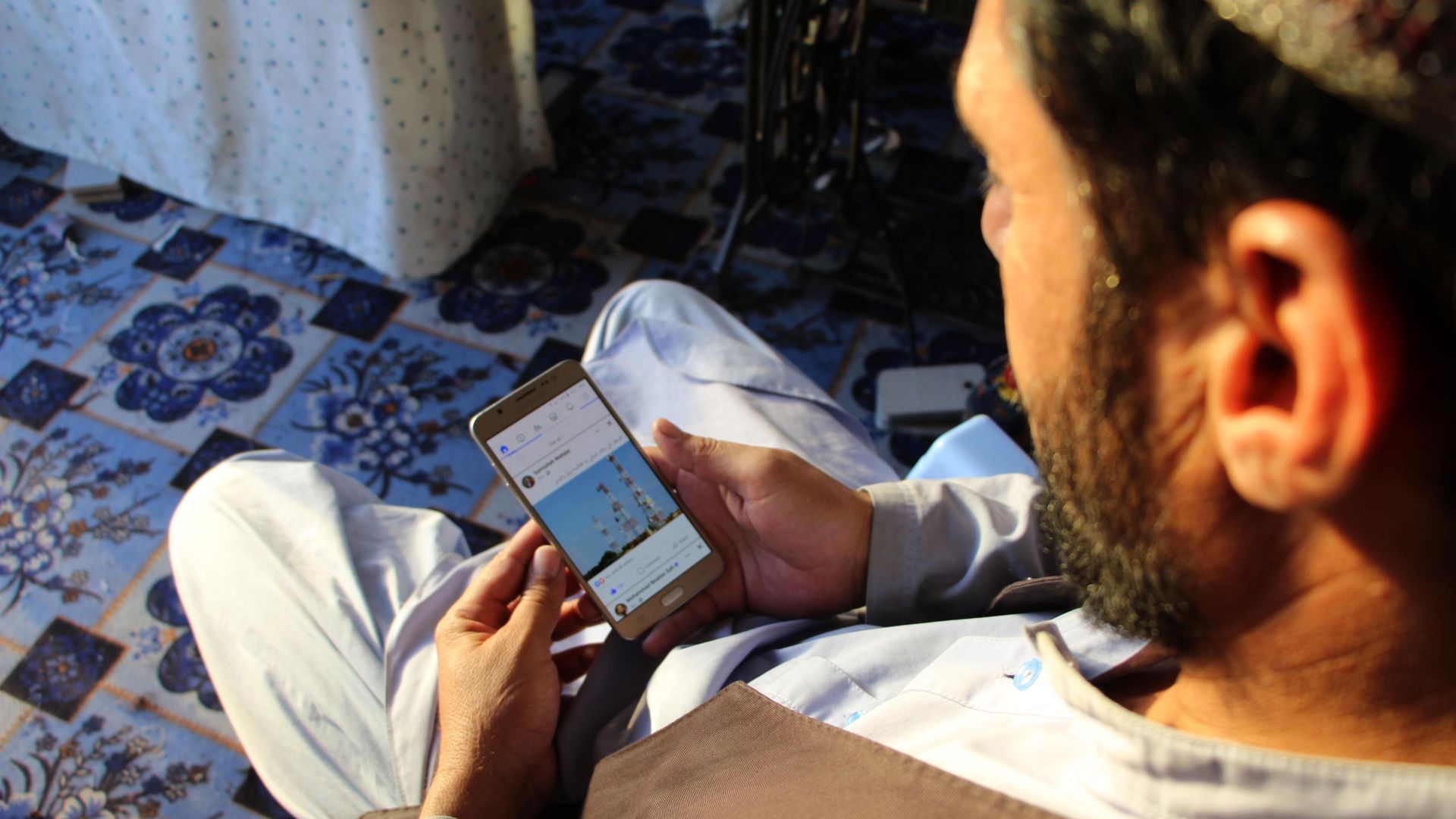
Taliban authorities directed government workers, judges, police and military members to abandon smartphones under a rule that began June 16. The policy permits only basic feature phones and has spread to universities and some hospitals. Npr reported on enforcement and effects on daily coordination.
Jul 10, 7:12 AM·2m read1 source
 azernews.az
Audio version
Tap play to generate a narrated version.
Developing·Limited corroboration so far. This page will refresh as more sources emerge.
Taliban authorities ordered government employees, judges, police and military members to stop using smartphones under a directive that took effect June 16, Npr reported. The order threatens violators with confiscation, destruction of devices and punishment while allowing feature phones that lack touch screens, photo or recording functions.
The restrictions originated as a verbal order from supreme leader Hibatullah Akhundzada and were later formalized in a military court directive sent to court heads, police commanders and intelligence chiefs across Afghanistan's eight administrative zones.
Exemptions require a written decree from Akhundzada. The Taliban created monitoring lists that record employees' names, positions, workplaces, mobile carriers and phone numbers, and security officials instructed members to destroy their smartphones and submit proof on a designated form. The ban does not yet apply to private phone ownership by ordinary Afghan civilians.
In Herat, officials had already confiscated and smashed phones of government employees who resisted earlier local restrictions. Protests in Herat in early June followed arrests of women and girls accused of improper hijab, and witnesses said Taliban forces opened fire on demonstrators, killing at least one person. Video of the shooting spread online before authorities contained it.
The policy has reached universities. Kabul University ordered a complete smartphone ban for professors, staff and students effective June 21, announced at an academic council meeting where members could not ask questions. Notices at Herat University entrances bar smartphones, and the rule extends to dormitories where Wi-Fi service was suspended.