finance
Tanker Rates Jump Ninefold After U.S.-Iran Deal, but Some Asian Refiners Unable to Book Ships
One VLCC was booked at nine times the normal rate for Persian Gulf crude to India. Daily earnings for some vessels reached nearly $470,000.
 theiranproject.com
Audio version
Tap play to generate a narrated version.
Developing·Limited corroboration so far. This page will refresh as more sources emerge.
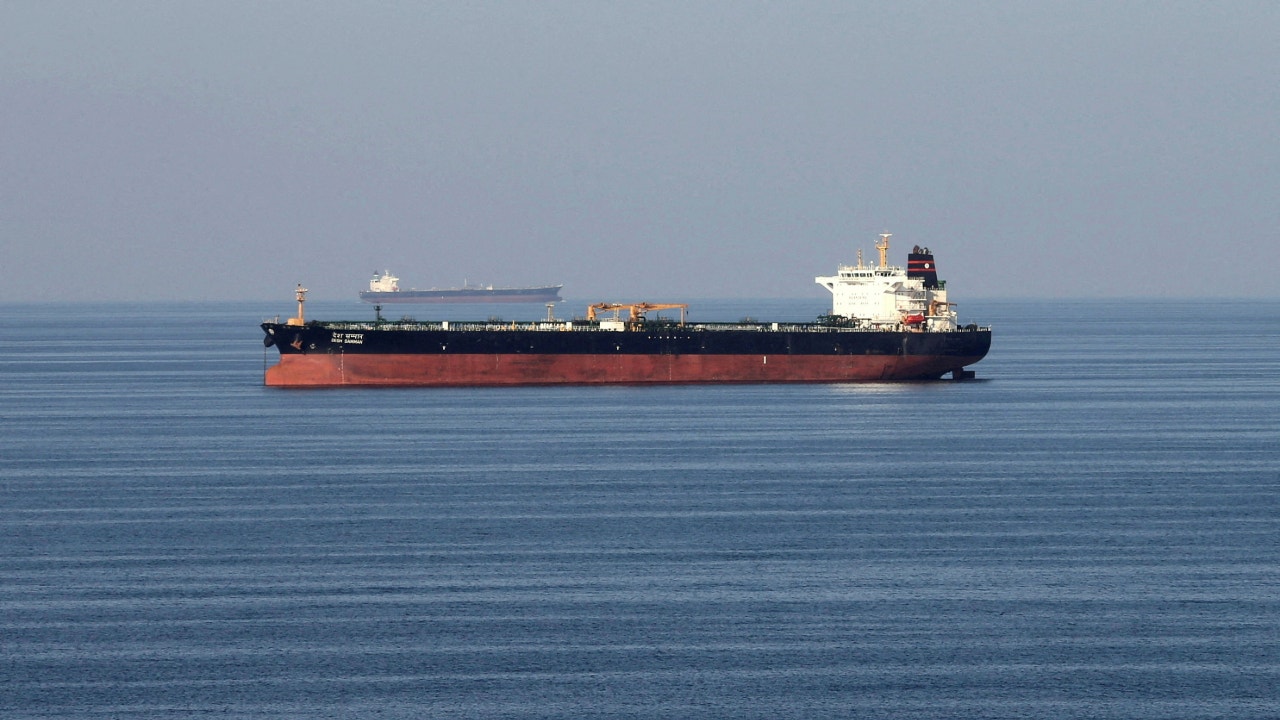
One tanker was provisionally booked on Wednesday to carry crude from the Persian Gulf to India at 897 percent of the MEG-India benchmark freight rate, shipbrokers told Bloomberg. The rate equals nine times the normal cost for the route. South Korea’s Sinokor shipping group will supply one VLCC for a cargo of up to 2 million barrels.
Daily charter rates in the Gulf have risen from about $106,000 to more than $190,000 in the past week, according to Reuters. Earnings for some VLCCs moving cargoes through the Strait of Hormuz reached nearly $470,000 per day. At least seven VLCCs have entered the Persian Gulf since the United States and Iran announced a memorandum of understanding last week that includes tentative reopening of the strait.
Four empty Sinokor VLCCs sailed in on transponder signals reviewed by Bloomberg. Three supertankers owned by mainstream companies added at least 14 million barrels of capacity, and one Iranian VLCC also arrived. Brokers estimate 65 empty VLCCs can reach the Gulf of Oman within a week; Sinokor controls about 25 of them.
Some of China’s and India’s largest state-owned refiners have been unable to secure supertankers for loadings later this month. An executive at PetroChina told Reuters that vessels are available but the cost is too high and safe-passage guarantees are lacking. Spot freight rates in other regions have also increased as owners reposition tankers toward the Gulf.