science
Target to Remove Cereals With Artificial Colors by End of May
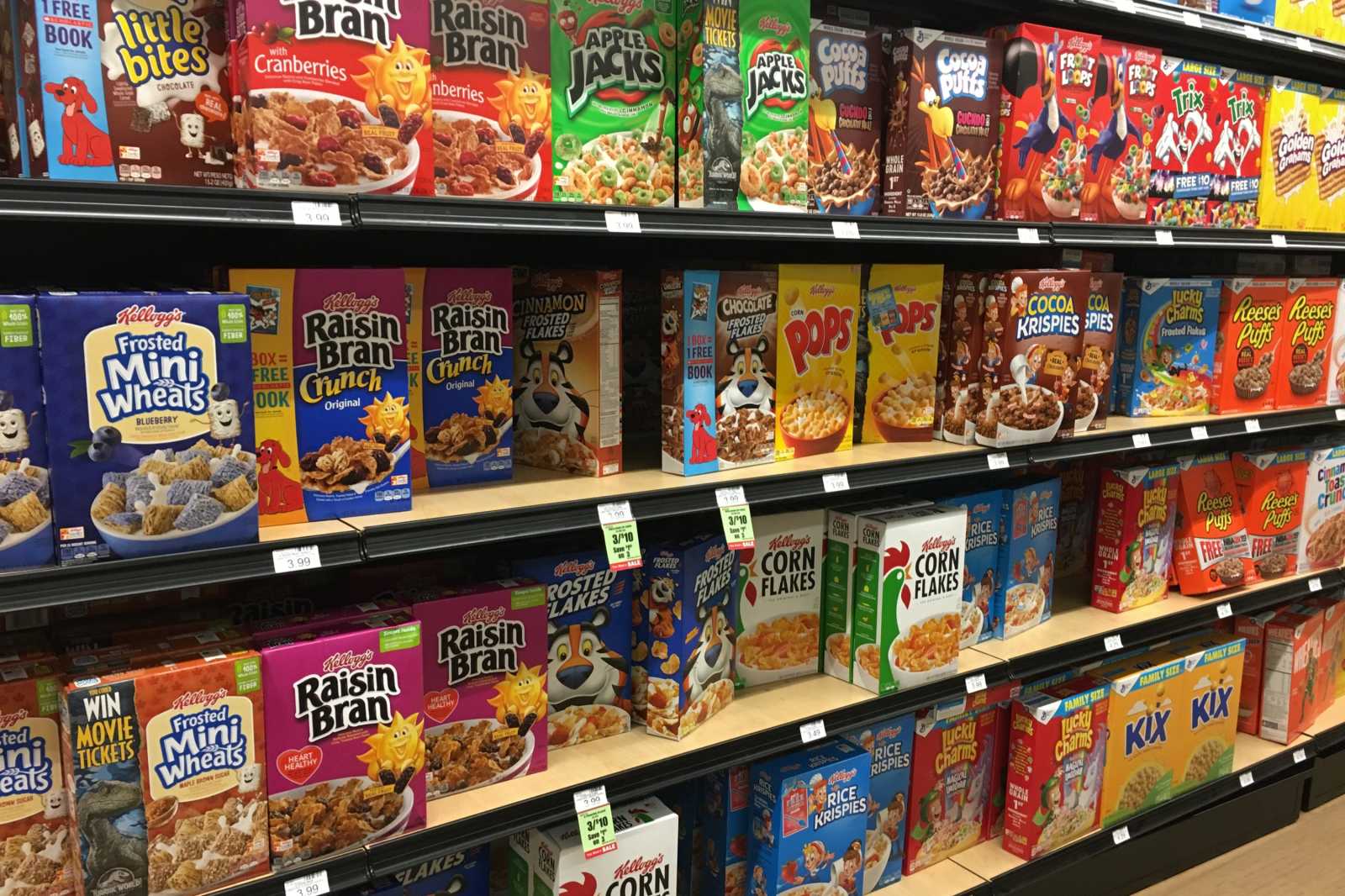
Target will stop selling cereals containing artificial colors by the end of May 2026. The retailer will replace them with reformulated and dye-free alternatives across stores and online.
May 17, 10:59 AM·1m read1 source
 Newsweek
Audio version
Tap play to generate a narrated version.
Developing·Limited corroboration so far. This page will refresh as more sources emerge.
Target will stop selling all cereals that contain artificial colors by the end of May 2026. The retailer will replace those products with reformulated options that use natural colorings or no added dyes.
Target confirmed the change in February. It will apply the rule to every store and its online platform. The retailer will introduce new private-label cereals under its Good & Gather Kids line and will stock reformulated versions of existing products.
Target says the transition will maintain variety across price points and dietary needs. It has not released a list of specific cereals that will be removed.
Target cited internal data showing long-term consumer demand for foods without artificial additives. The retailer also pointed to a broader industry and regulatory shift. U.S. Food and Drug Administration has banned Red No. 3 and is working with manufacturers to phase out petroleum-based dyes by 2027.
Researchers have linked some artificial dyes to behavioral changes in children. The FDA states that approved color additives are safe when used correctly under a standard of reasonable certainty of no harm.
Transparency
How sources framed this
Single source — no framing comparison available.
CorroborationModerate · 1 source