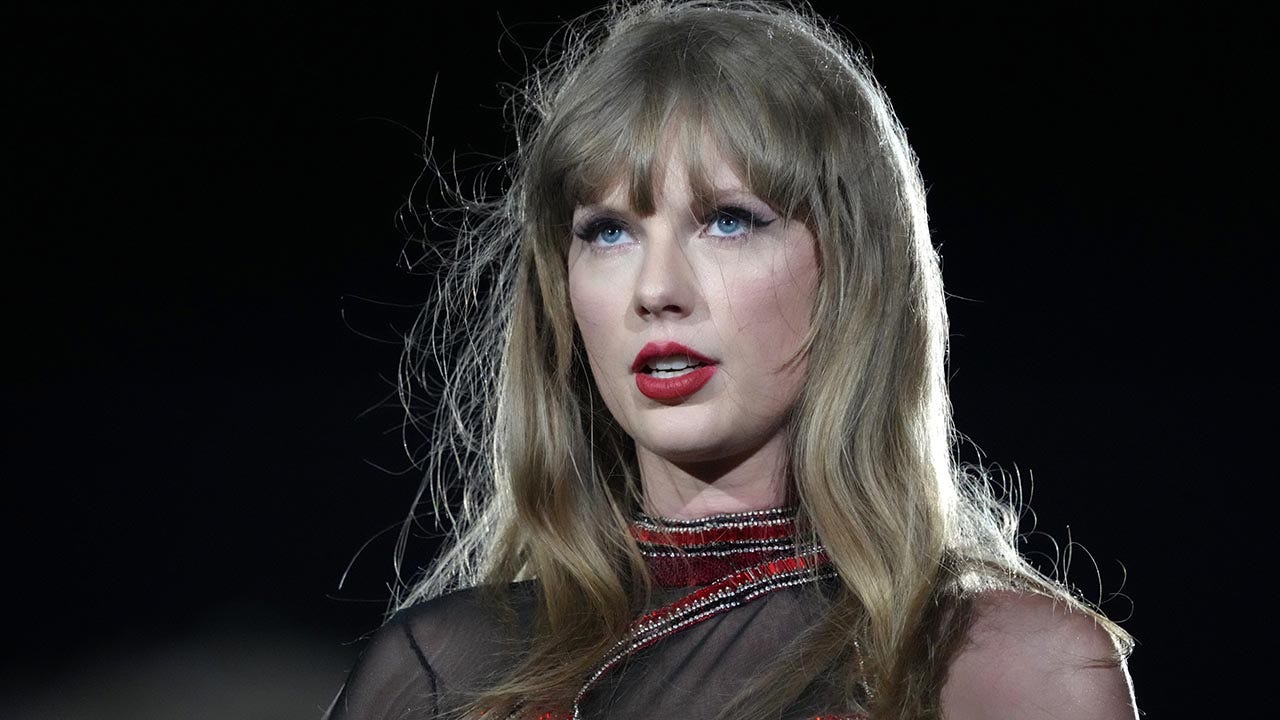
Taylor Swift and Matthew McConaughey File Trademarks for Voice and Likeness
Actor Matthew McConaughey has received U.S. trademark registrations for his image, voice and catchphrases. Singer Taylor Swift has filed applications for trademarks covering her name, voice and likeness. The moves are part of efforts by some celebrities to address unauthorized uses of their identities by generative artificial intelligence tools.
foxnews.comActor Matthew McConaughey has obtained trademark registrations from the United States Trademark Office that cover his image, voice and well-known catchphrases such as “Alright, Alright, Alright,” according to a report published May 8, 2026. Forbes reported that the filings signal an effort by some high-profile individuals to use trademark law against unauthorized generative AI content.
McConaughey stated that his team seeks to ensure any use of his voice or likeness occurs only with his approval. “My team and I want to know that when my voice or likeness is ever used, it’s because I approved and signed off on it,” McConaughey said.
His lawyer added that the registrations provide a tool to address AI misuse in federal court. Celebrities have encountered uses of their images and voices in memes, deepfakes and other content since the rise of online media. Swift has been the subject of AI-generated chatbots created by Meta and of pornographic images circulated online.
In the period before the 2024 U.S. presidential election, then-candidate Donald Trump shared AI-generated images that falsely suggested Swift had endorsed him.
State laws on the right of publicity generally prohibit the commercial use of a person’s name, voice or likeness without permission. Several states have updated these statutes to address digital replicas. The federal Lanham Act bars the use of terms or symbols likely to cause confusion about affiliation or endorsement, and has been applied to cases involving false endorsement such as the unauthorized use of music in political campaigns.
The Screen Actors Guild agreement, updated in recent years, restricts the use of AI-generated digital replicas of performers in roles that could replace them without consent. These provisions focus on protecting members’ employment rather than creating new intellectual property rights in their likenesses.
The agreement does not restrict the use of replicas in biopics. Federal copyright law grants exclusive rights to control copying, distribution, public performance and display of original works such as sound recordings, videos and musical compositions.
These rights are subject to exceptions including fair use for purposes such as parody. Privacy laws also address certain non-consensual deepfakes that depict sexual content or false statements.
Trademark rights arise from use of a mark in commerce to identify the source of goods or services. Registrations create a public record of those rights but traditionally address consumer confusion about origin rather than all unauthorized uses of identity.
Key Facts
Story Timeline
4 events- May 08, 2026
Forbes publishes article on McConaughey trademarks and Swift filings.
1 sourceForbes - 2026
Taylor Swift files three trademark applications for her name, voice and likeness.
1 sourceForbes - 2024
Donald Trump shares AI-generated images falsely suggesting Taylor Swift endorsed him.
1 sourceForbes - Earlier in 2026
United States Trademark Office grants Matthew McConaughey registrations for image, voice and catchphrases.
1 sourceForbes
Potential Impact
- 01
Courts will need to determine the scope of trademark protection when applied to voice and likeness in AI-generated content.
- 02
Celebrities may gain additional legal options to send cease-and-desist notices or file federal lawsuits over commercial AI uses of their identities.
- 03
AI platform operators could face more formal legal challenges when users generate celebrity content.
- 04
Other performers may file similar trademark applications, increasing administrative workload at the United States Trademark Office.
Transparency Panel
Related Stories
Substrate placeholder — needs reviewAkamai Signs $1.8 Billion Seven-Year Cloud Deal With Anthropic
Akamai Technologies announced a $1.8 billion seven-year contract with Anthropic for its Cloud Infrastructure Services, the largest in the company's history. The deal was disclosed in Akamai's first-quarter 2026 earnings report. Akamai shares rose 27 percent on May 8 following the…
techjuice.pkTrump Administration Considers New Oversight for Advanced AI Models
Anthropic's unreleased Mythos model, capable of autonomously finding software vulnerabilities, prompted a White House shift from its previous hands-off AI policy. President Trump is considering an executive order to establish a formal review process for the most powerful systems,…
pandaily.comNvidia CEO Jensen Huang Says He Does Not Mind Paying $8 Billion in California Taxes
Nvidia CEO Jensen Huang stated he is comfortable with his tax payments to California while speaking at the Milken Institute Global Conference. Huang addressed the proposed billionaire tax and affirmed his decision to continue living in the state. The comments came as conference a…