Territory Releases New Guidelines for Managing Wildfire Response
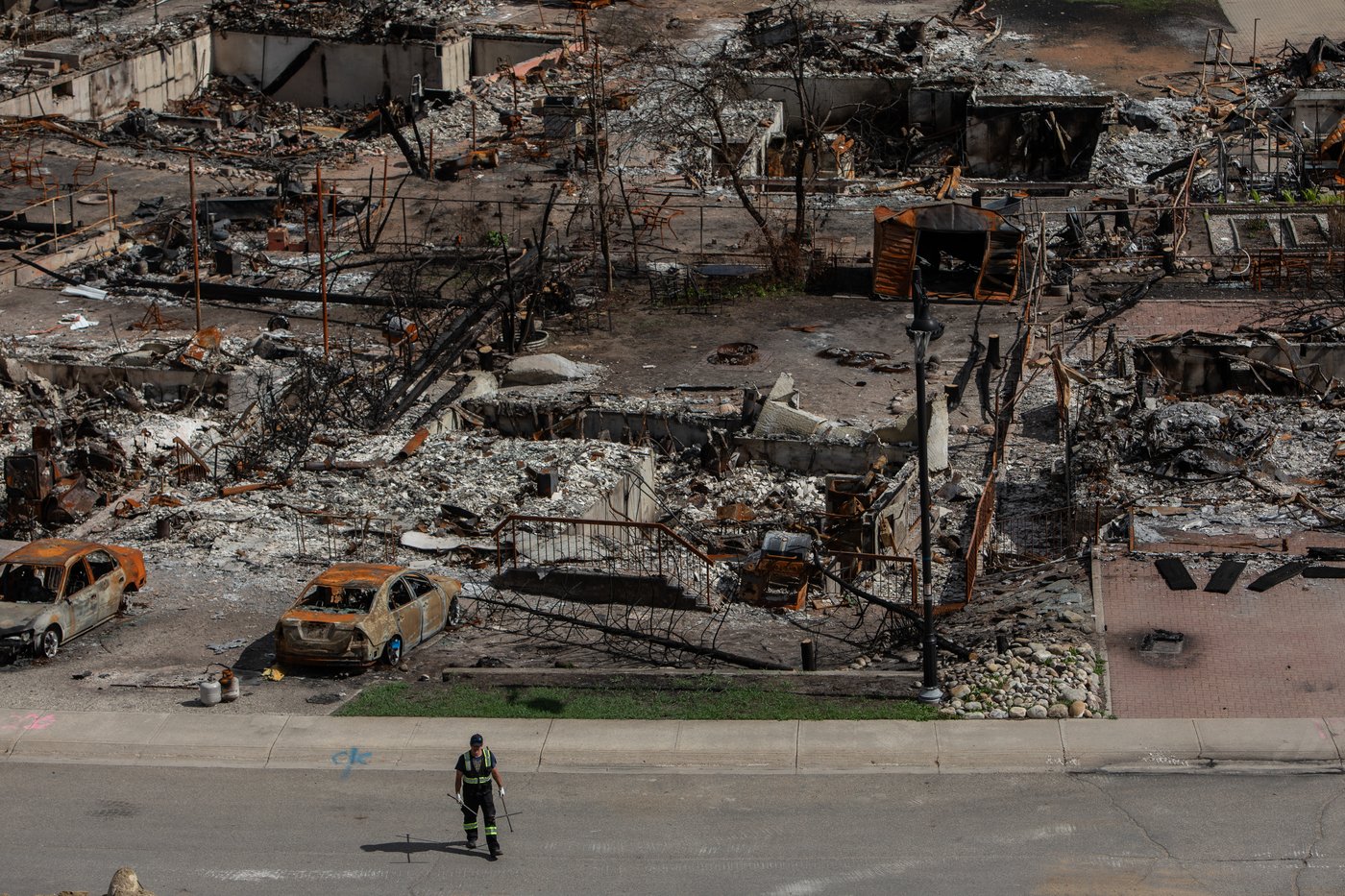
The territorial government released new guidelines on Thursday for managing wildfires near communities. The guidelines address emergency response issues identified after the 2023 evacuation of nearly two-thirds of residents.
 680news.com
The territorial government released new guidelines on Thursday for managing wildfires near communities. The guidelines address emergency response issues identified after the 2023 evacuation of nearly two-thirds of residents.
The guidelines focus on wildfire urban interfaces, places where wildfires encroach on human settlement. They aim to standardize training for local wildland firefighters and establish standards around payment for services, deployment and management of resources, and techniques for use in the field.
The guidelines require that any community that accepts them coordinate their wildfire response with the territorial government. Communities that do not accept the guidelines may not request mutual aid resources. Most fires start outside of municipalities and under territorial jurisdiction, the guidelines state.
The guidelines emphasize that saving structures from encroaching fires may not always be possible. Structural firefighters require specific training and equipment that wildfire firefighters typically do not have. In the territory's small, fly-in communities, providing adequate equipment is often not possible.
"Safety of responders is paramount and will not be compromised to protect property," the guidelines read. Local fire departments in smaller areas may lack the training or equipment to be certified by the National Fire Protection Association. These firefighters will not be deployed to other communities to help in the event of a wildfire threat.
For the 2026 and 2027 wildfire seasons, firefighters' qualifications will be reviewed on a case-by-case basis. Teams will not be asked to work for more than 19 days without approval, with a rest day every seven days, or two every 14 days.
Governance of wildfire operations is shared between two territorial departments: Municipal and Community Affairs, which oversees emergency management, and Environment and Climate Change's forest management division. An individual territorial duty officer in Fort Smith will be responsible for coordinating fire management across the territory.
The guidelines were developed by looking at practices in other jurisdictions alongside national standards. The document says they will be reviewed annually by an inter-agency task force. Final guidelines will be disseminated to all local governments and fire departments no later than April 15 of each year.
Key Facts
Story Timeline
2 events- 2023
Nearly two-thirds of the territory's residents were forced to evacuate due to encroaching wildfires.
1 sourceCbc - Thursday
The territorial government released new guidelines for managing wildfires near communities.
1 sourceCbc
Potential Impact
- 01
Communities that accept the guidelines must coordinate wildfire response with the territorial government.
- 02
Firefighters in smaller communities will not be deployed to other areas without proper certification.
Transparency Panel
Related Stories
 The Guardian
WHO Chief Visits DRC as Ebola Death Rate Reaches 30-50%
World Health Organization director-general Tedros Adhanom Ghebreyesus arrived in the Democratic Republic of the Congo to support containment of a new Ebola outbreak. The agency revised the death rate to 30-50% based on confirmed cases and recorded 10 confirmed and 223 suspected d…
 westernjournal.com
Greek National Charged in UK With Aiding Iran-Linked Intelligence Service
A 46-year-old Greek man living in Germany was charged under the UK National Security Act with assisting an intelligence service believed to be Iran by targeting a journalist at Iran International.
 upi.com
Supreme Court Revives Havana Docks Lawsuit Over Confiscated Cuban Property
The U.S. Supreme Court sent a Helms-Burton Act case back to lower courts for further argument. The suit seeks damages from cruise lines that used docks seized by Cuba in 1959.