ai
Tesla Expands Robotaxi Service to Dallas and Houston
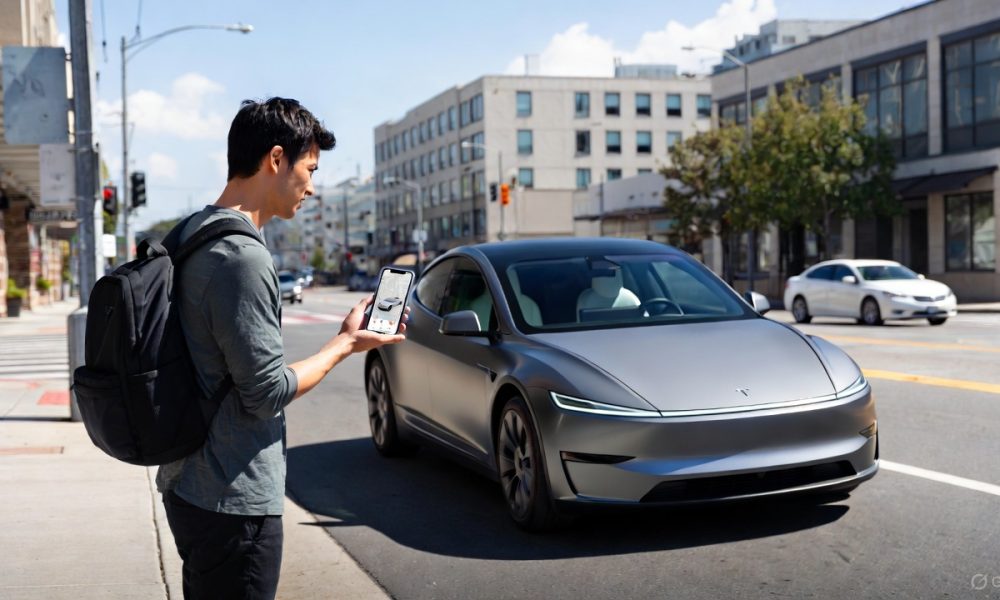
Tesla announced last month that it is expanding its robotaxi service to Dallas and Houston. A Reuters reporter who tested the vehicles in Dallas found they remain in a beta-testing phase. The expansion is part of the company's effort to develop driverless technology.
May 12, 6:00 AM·1m read1 source
 teslarati.com
Audio version
Tap play to generate a narrated version.
Developing·Limited corroboration so far. This page will refresh as more sources emerge.
Tesla announced last month that it is expanding its robotaxi service to Dallas and Houston. The move is intended to advance the company's development of driverless technology. A Reuters reporter tested the robotaxis in Dallas and found the vehicles are still operating in a beta-testing phase.
The reporter's experience showed the service has not yet reached full commercial deployment. The company has positioned the robotaxi expansion as a step toward transforming its business. Some investors have noted the announcement as an indicator of progress in that direction.
During the test drives in Dallas the vehicles required supervision and did not operate without human oversight. The beta phase means the technology continues to undergo refinement before wider release. The reporter's assessment indicated that while the vehicles can navigate certain routes, limitations remain in handling complex traffic situations without intervention.
Tesla has not released a specific timeline for moving beyond the beta stage in the new cities.
Transparency
How sources framed this
Single source — no framing comparison available.
CorroborationModerate · 1 source