Thales Belgium Doubles 70mm Guided Rocket Production, Citing Middle East Conflict Demand
Thales Belgium has more than doubled guided rocket production and plans to reach 20,000 units annually by 2028. The company is preparing for counter-drone orders from Gulf states.
 Breaking Defense
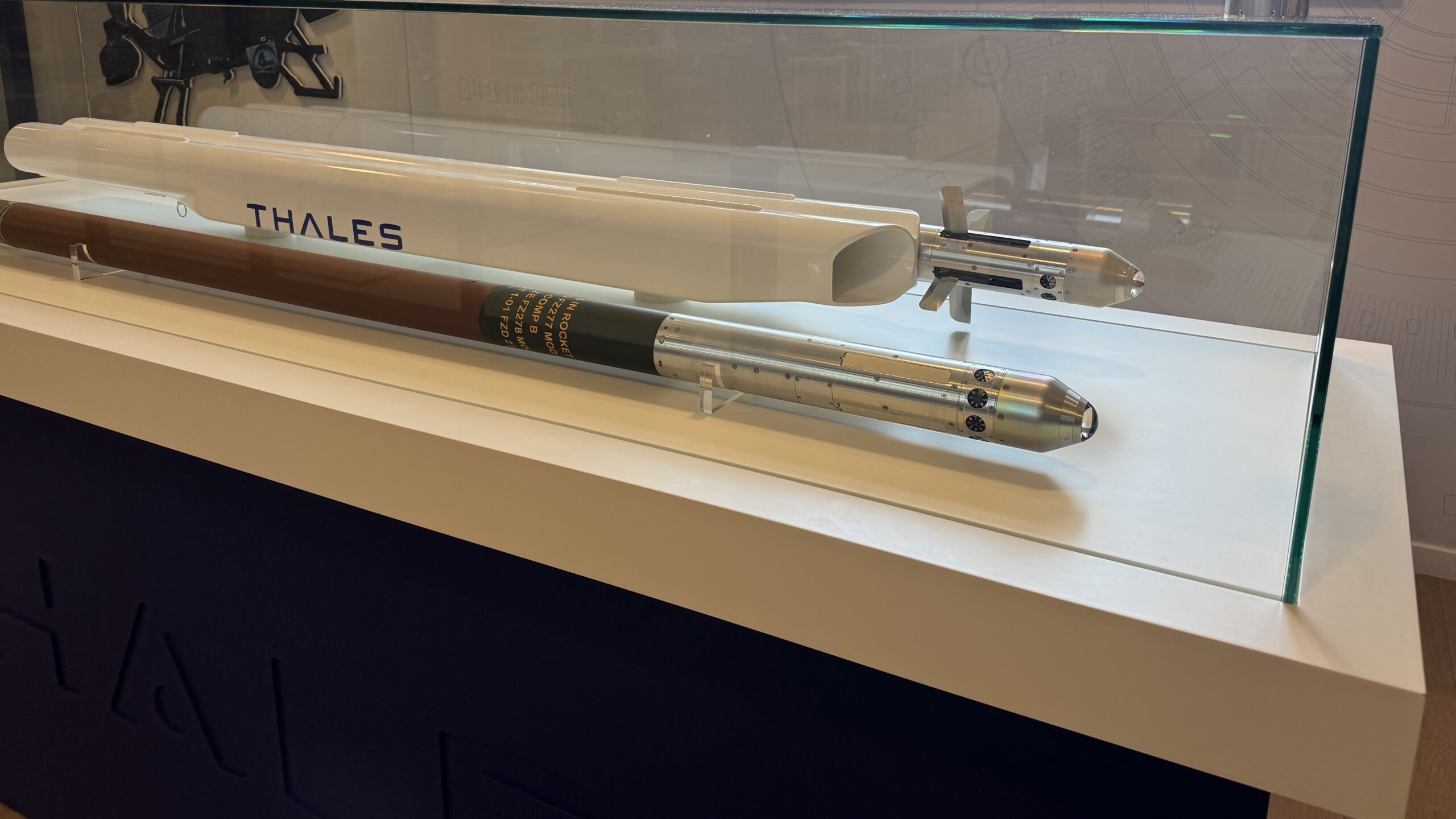
Thales Belgium has more than doubled its guided rocket production capacity since the conflict in the Middle East began and now aims to manufacture 20,000 guided rockets per year by 2028. Thomas Colinet, managing director at Thales Belgium, said the increase reflects new demand.
“We more than doubled the number, considering the situation at the moment in the Middle East,” he told Breaking Defense last week.
Journalists toured the company’s facilities in Herstal and the historic Fort d’Evegnée, where more than 40 small rooms house assembly and testing. Workers build the 70 mm rocket from chips and fuses through the rocket head, eye and motor, and they perform manual validation on batches and sub-parts. The fins receive especially rigorous checks because they control trajectory adjustments.
A firing test of the guided rocket occurred during the tour. The weapon forms part of the Skydefender integrated air and missile defense platform, a concept similar to Turkey’s Steel Dome and Israel’s Iron Dome. Thales officials said the rocket’s price is about one-tenth that of higher-end missiles, making it suitable for counter-drone missions.
Alain Quevrin, Thales vice president and country director for Belgium and Luxembourg, said Gulf states are requesting the system. The 70 mm rocket can be fired from UAVs, fighter jets or ground vehicles for both ground-to-air and air-to-air counter-drone roles. It follows a laser designator from the launch platform and tracks the beam until impact.
Company officials said they continue to upgrade the missile for precise targeting. S. solution in the Gulf. He said willingness to produce locally will be vital to entering the regional market.
Thales is open to technology transfer and is discussing the issue with local authorities. “In the future, for sure, we are understanding that this kind of requirement will be on the table, and by definition, we are ready to open the discussion,” he said, adding that localization requires authorization, education and training.
Testing subjects the rocket to temperatures between minus 46 degrees Celsius and plus 66 degrees Celsius to confirm performance in all weather, including Middle East heat.
Breaking Defense accepted travel and accommodation from Thales for the reporting trip.
Transparency
Story details
Related Stories
 middleeasteye.net
Iranian Drone Strikes Kuwait Airport, Killing One
An Iranian one-way attack drone struck Kuwait International Airport on June 3, 2026, killing one person and injuring more than 60. The attack caused significant damage to Terminal One.
 thehindu.com
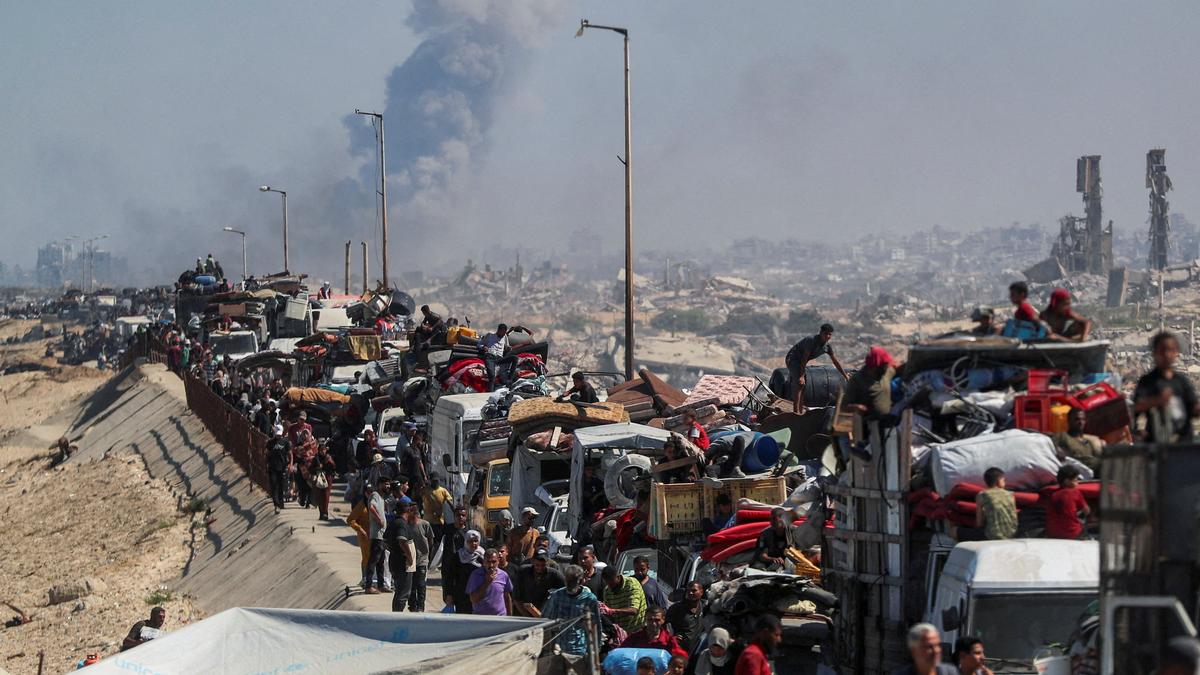
Israeli Strikes Kill Hamas Commander and at Least 9 Others in Gaza City
Israeli aircraft struck four residential buildings in Gaza City before dawn Thursday. Health officials reported nine deaths and 15 wounded.
 Breaking Defense
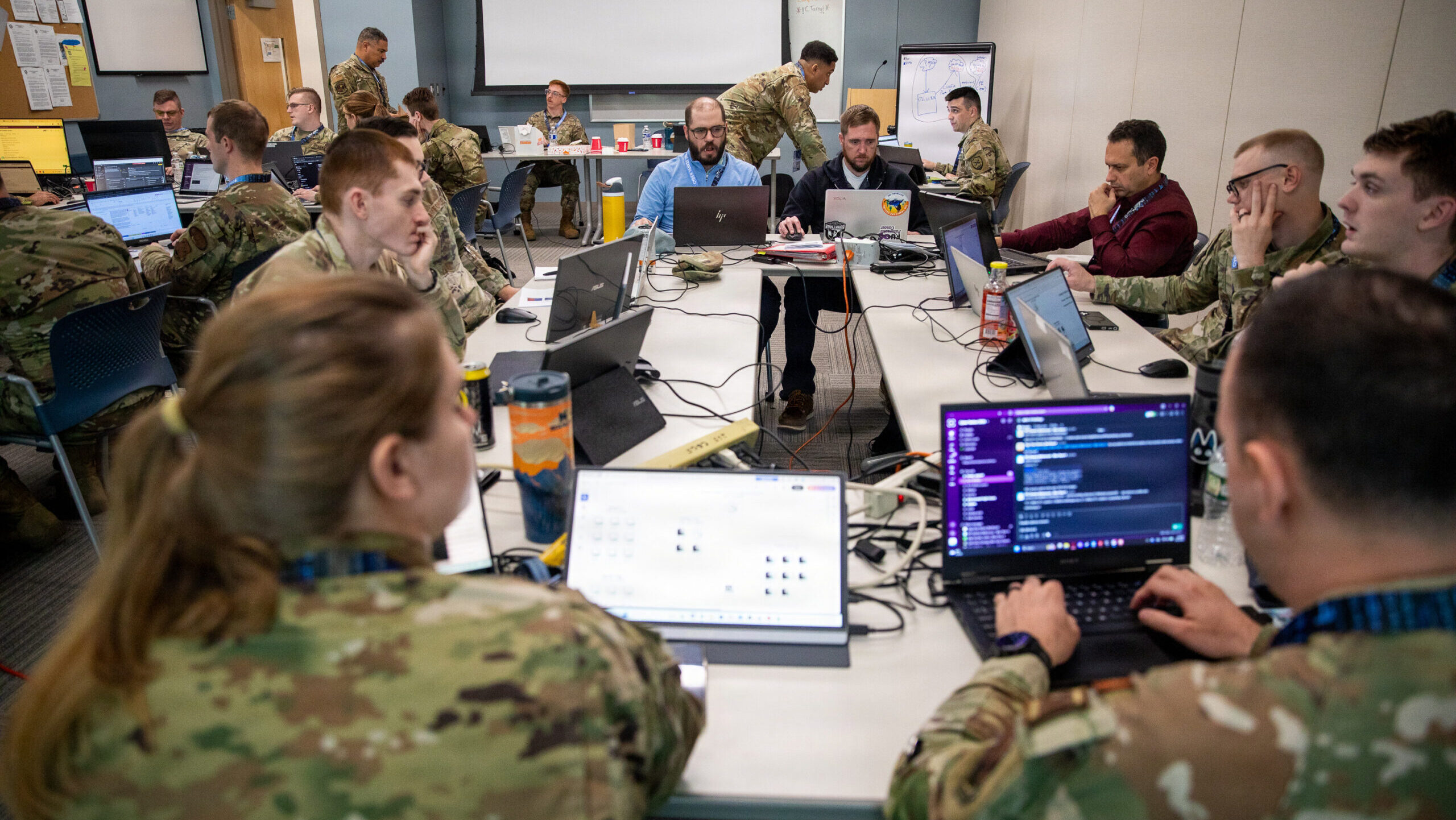
Pentagon Cyber Unit Drafts Plan to Defend Critical Infrastructure
The Defense Cyber Defense Command is developing a joint task force and command structure to coordinate responses to cyberattacks on U.S. critical infrastructure. Officials are mapping roles among federal agencies and examining digital protections modeled on physical security zone…