Thirteen Charged in U.S.-Canada Gun Smuggling Ring
Federal prosecutors charged 13 people with operating an international firearms trafficking network that moved handguns, rifles and ammunition from the United States into Canada. The indictments trigger mandatory asset forfeitures, sentencing proceedings in New Hampshire federal court and renewed pressure on border agencies to close loopholes used by the ring.
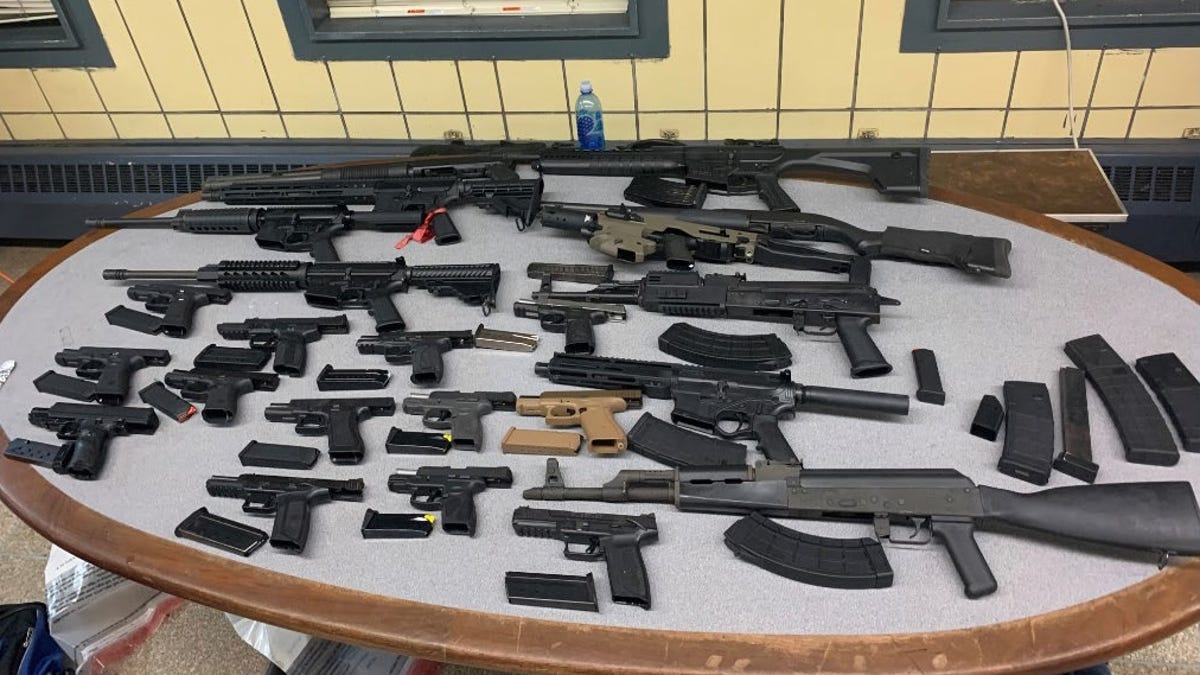 usatoday.com
Federal authorities charged 13 defendants on May 14, 2026 with conspiring to smuggle hundreds of firearms and thousands of rounds of ammunition across the U.S.-Canada border, according to a U.S. Department of Justice release from the U.S. Attorney’s Office for the District of New Hampshire.
The charges target a network that purchased weapons in the United States and moved them into Canada, where handguns and certain rifles are subject to stricter licensing rules. The indictment lists specific conduct including straw purchases, false statements on federal firearms forms, and bulk transport of handguns, semi-automatic rifles and over 10,000 rounds of ammunition.
Venue for the cases is the U.S. District Court for the District of New Hampshire. Statutes cited include 18 U.S.C. § 371 (conspiracy), 18 U.S.C. § 922(a)(6) (false statements), and 18 U.S.C. § 924 (firearms trafficking violations).
The scope covers at least 13 named defendants and an unindicted co-conspirator network operating across multiple states and two Canadian provinces. The ring moved firearms valued in the tens of thousands of dollars; exact seizure totals were not disclosed in the charging announcement.
The operational change is immediate: the 13 defendants now face arraignment, potential pretrial detention hearings and discovery obligations in federal court. Convictions on the lead conspiracy count carry statutory maximums of five years per violation, while firearms trafficking counts expose defendants to additional five- to 15-year sentences.
Asset forfeiture actions tied to the indictments require defendants to surrender vehicles, cash and firearms used in the scheme.
Downstream effects include mandatory coordination between the Bureau of Alcohol, Tobacco, Firearms and Explosives and Canada Border Services Agency to trace additional weapons linked to the ring. The cases will require U.S. Customs and Border Protection to audit crossing records at specific northern border points.
Sentencing proceedings will set precedent amounts for restitution to Canadian law enforcement agencies that recovered the smuggled guns from crime scenes. The Department of Justice must also decide whether to unseal related search warrant affidavits that detail how the network exploited differences in U.S. and Canadian firearms laws.
This prosecution forms part of a documented federal effort to target cross-border gun trafficking. The same U.S. Attorney’s Office has brought similar cases in each of the past three years, each citing the same statutory framework and relying on joint task forces with Canadian counterparts.
The original smuggling patterns cited in the May 14 indictment trace back to purchases documented as early as 2022.
Coverage spread
Substrate’s article above is written from the primary record. Below: how mainstream outlets reported the same event.
No mainstream coverage of this story has surfaced yet.
Transparency
Reported by a single outlet. This score reflects source tier and factual specificity — corroboration is limited with one source.
Related Stories
 Abc News
Ethiopia Holds General Election With 50 Million Registered Voters
Polls opened Monday across Ethiopia as voters elect more than 500 House of Representatives members and local council seats. Results are expected the same day.
 jpost.com
U.S. proposes Hezbollah halt attacks for Israeli restraint in Beirut
The United States has advanced a two-step ceasefire plan between Israel and Lebanon. Lebanese officials differ on next steps while recent strikes continue in Beirut's southern suburbs.
 Al Jazeera
U.S. closes loophole on advanced AI chip exports to Chinese firms abroad
The Department of Commerce issued guidance Sunday clarifying that license requirements apply to subsidiaries of Chinese companies located outside China. The move follows concerns that advanced chips had been shipped through the loophole in the past year.