politics
Three Months After U.S. Strikes, Iran Conflict Remains Unresolved
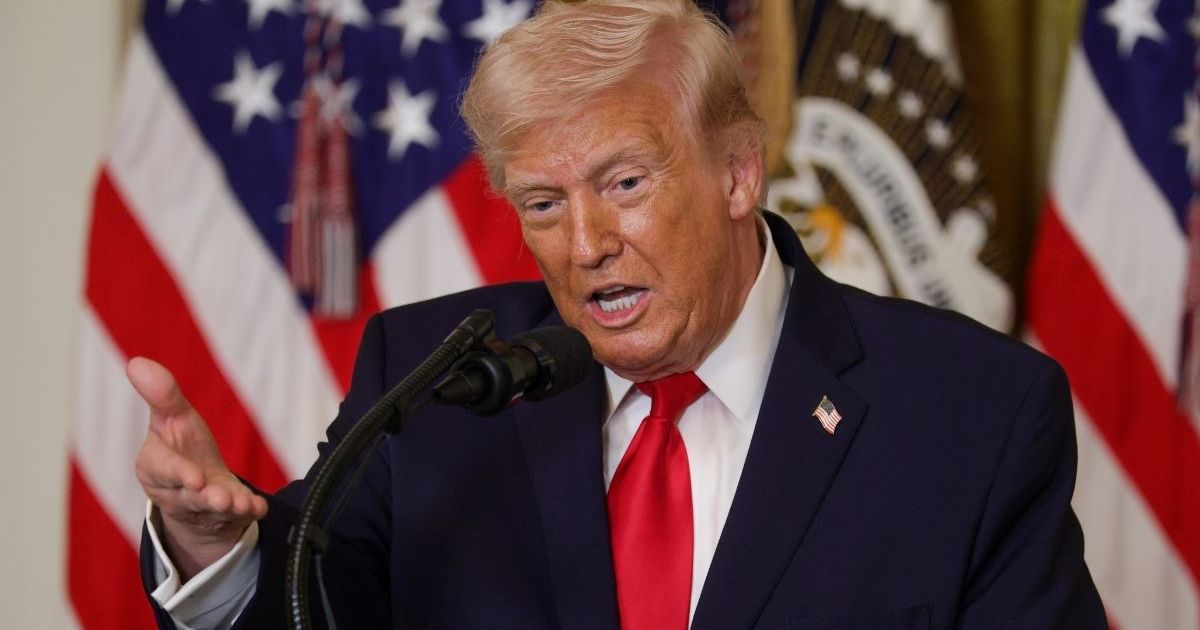
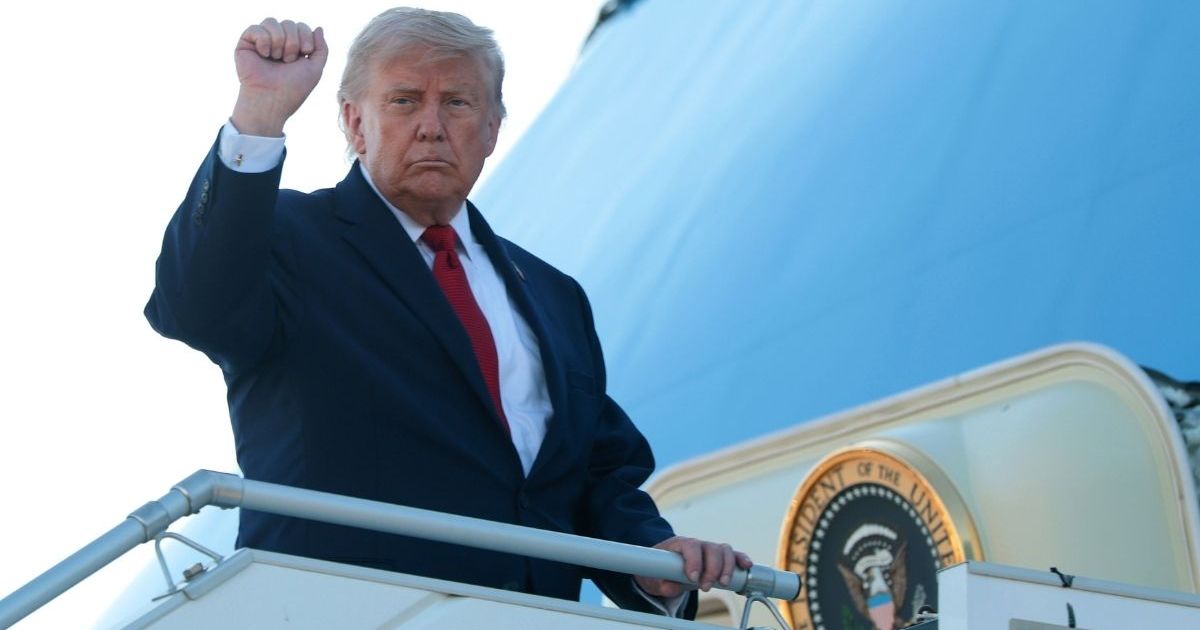
U.S. President Donald Trump faces questions over whether military gains against Iran can be converted into a lasting geopolitical outcome. Iran retains control of the Strait of Hormuz and has not agreed to nuclear concessions.
May 23, 5:39 AM·2m read2 sources
SP
 Al-Monitor
Audio version
Tap play to generate a narrated version.
U.S. President Donald Trump began military operations against Iran on February 28 in coordination with Israel. Airstrikes quickly reduced Iran’s ballistic missile inventory and sank much of its navy. Three months later, Iran continues to block the Strait of Hormuz, keeping energy prices elevated.
Tehran has also maintained its theocratic government and a stockpile of highly enriched uranium believed to remain buried after last year’s strikes.
” Iranian officials have described the campaign as a “crushing defeat” for the United States, though both sides have made claims that exceed verified battlefield results. A ceasefire has been in place for more than six weeks, yet the two sides remain at odds over nuclear limits and regional influence.
Trump campaigned on avoiding new military entanglements. The conflict has coincided with higher U.S. gasoline prices and lower approval ratings ahead of November midterm elections. Republican control of Congress has weakened during the standoff. European allies have declined requests for direct assistance in the campaign.
China and Russia have drawn lessons from the conflict about U.S. weapons depletion and asymmetric tactics, according to analysts cited in the reporting.
Trump’s stated aims included preventing an Iranian nuclear weapon, ending support for proxy groups, and easing conditions for internal political change in Iran. None of these goals have been achieved.
““We’re three months in, and it’s looking like a war that was designed to be a short-term romp for Trump is turning into a long-term strategic failure.””
Alexander Gray, chief executive officer of the American Global Strategies consultancy, said the damage to Iranian military capabilities constituted a strategic success and that Gulf states had moved closer to the United States. Officials have discussed limited additional strikes or attempts to redirect attention to other regions if diplomacy fails to produce an agreement.