Substrate
science

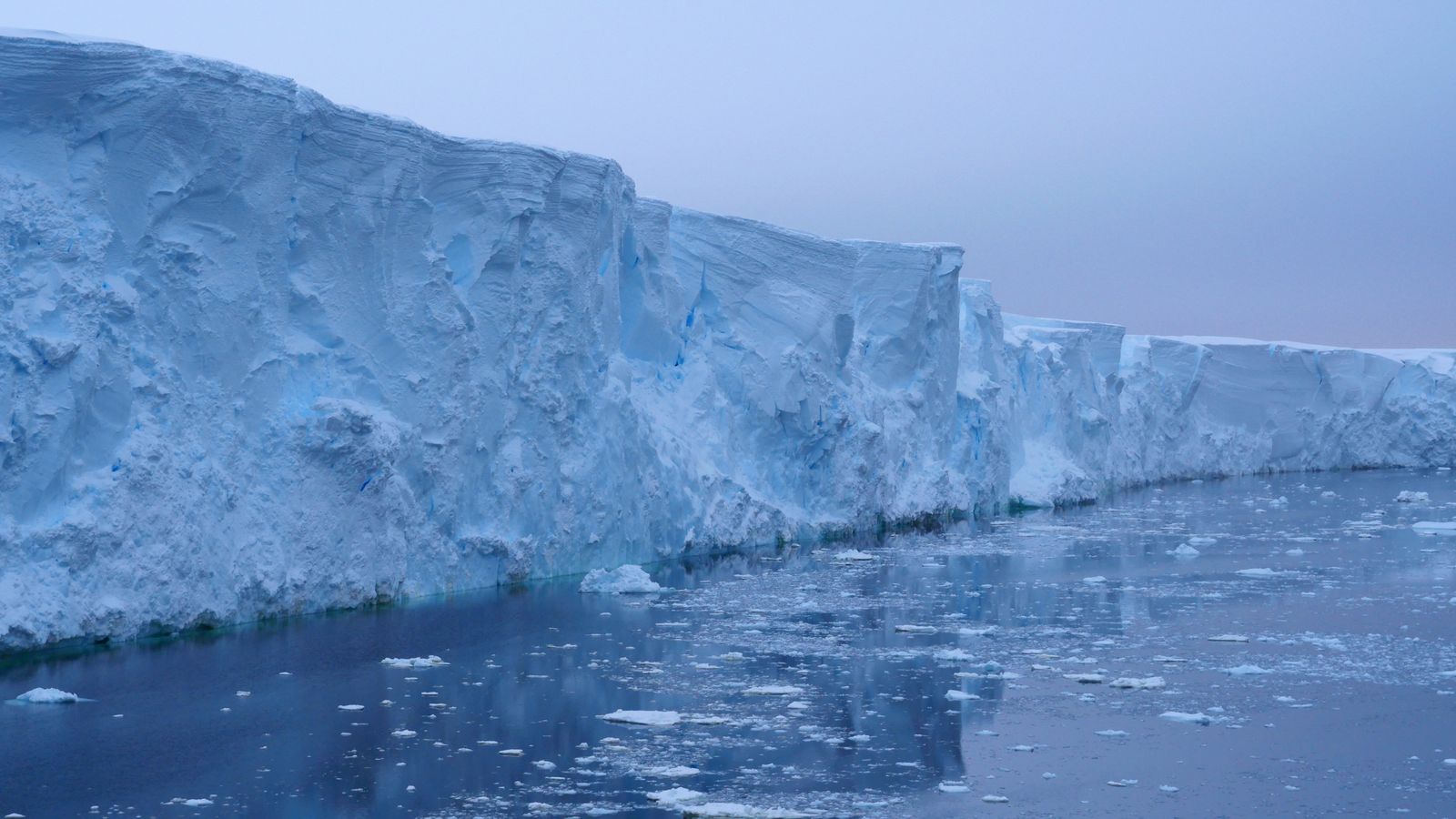
Thwaites Eastern Ice Shelf Shows Signs of Break-Up

Satellite data indicate that the floating ice shelf in front of Thwaites glacier is fracturing. Researchers report that the shelf has lost much of its buttressing effect on the glacier.

New Scientist
1 source·May 19, 7:59 PM(9 days ago)·1m read
|
Thwaites Eastern Ice Shelf Shows Signs of Break-Upnews.sky.com
Audio version
Tap play to generate a narrated version.

Satellite images show large fractures forming around the pinning point and along the grounding line of the Thwaites Eastern Ice Shelf. The shelf, roughly 1500 square kilometres in area and 350 metres thick, has thinned due to changes in ocean circulation and is now being pulled apart by shifts in ice-flow dynamics.

Researchers tracking the shelf report that its flow rate tripled between January 2020 and January 2026, reaching just over 2000 metres per year. In the past five months the rate has increased further. New rifts have also opened along the grounding line in recent years.

A study scheduled for publication shows that the flow of glacier ice previously held back by the shelf increased by about 33 per cent between January 2020 and 2026. Scientists state that the shelf has already lost most of its ability to slow the glacier.

Thwaites glacier is currently responsible for 4 per cent of global sea-level rise. Projections indicate that by 2067 the glacier could lose 190 gigatonnes of ice per year, a 30 per cent increase from current rates.

The loss of the ice shelf is expected to allow faster movement of ice from the glacier into the ocean. Researchers note that this process is gradual and will affect sea levels over decades rather than immediately. Ice shelves in the region have been destabilising since the 1990s. Similar changes are occurring at the adjacent Pine Island glacier.

Key Facts

Thwaites Eastern Ice Shelf
1500 square kilometres, 350 metres thick
Flow rate increase
Tripled from 2020 to 2026, now over 2000 m/year
Glacier ice flow
Increased 33 per cent since January 2020
Projected ice loss
190 gigatonnes per year by 2067

Story Timeline

3 events
  1. January 2026

    Araon ice-breaker vessel observed sea ice near Thwaites glacier.

    1 source@NewScientist
  2. January 2020 to January 2026

    Thwaites Eastern Ice Shelf flow rate tripled to over 2000 metres per year.

    1 source@NewScientist
  3. Past five months

    Ice shelf flow rate accelerated further according to satellite observations.

    1 source@NewScientist

Potential Impact

  1. 01

    Faster glacier flow will increase the rate of ice entering the ocean.

  2. 02

    Thwaites contribution to sea-level rise may rise from 4 per cent to 10-20 per cent over coming decades.

  3. 03

    Coastal planning timelines may be adjusted based on updated ice-loss projections.

Transparency Panel

Sources cross-referenced1
Confidence score75%
Synthesized bySubstrate AI
Word count243 words
PublishedMay 19, 2026, 7:59 PM
Bias signals removed1 across 1 outlet
Signal Breakdown
Loaded 1

Related Stories

WHO Director Visits Congo as Ebola Outbreak SpreadsNpr
science4 hrs ago

WHO Director Visits Congo as Ebola Outbreak Spreads

The head of the World Health Organization arrived in Kinshasa to support efforts against a rare Ebola strain. Health workers face equipment shortages, community distrust, and armed conflict in affected provinces.

Npr
France 24
2 sources
FDA Panel Recommends XFG Variant for Fall Covid Shotsmedpagetoday.com
science2 hrs agoDeveloping

FDA Panel Recommends XFG Variant for Fall Covid Shots

Replimune will submit an application to the FDA for the third time. Pfizer and Innovent Biologics reached a collaboration agreement valued at up to $10.5 billion.

Stat
1 source
Benzinga Publishes Article on Biotech Stocks During Pandemic Recoveryfinance.yahoo.com
science6 hrs agoDeveloping

Benzinga Publishes Article on Biotech Stocks During Pandemic Recovery

Benzinga published an article titled 'Best Biotech Stocks Right Now' that addresses the sector's position during global recovery from the pandemic. The piece notes government institutions and professional traders are focusing on biotech companies for vaccine and booster developme…

Benzinga
1 source