science
Thwaites Glacier Eastern Ice Shelf Shows Signs of Detaching
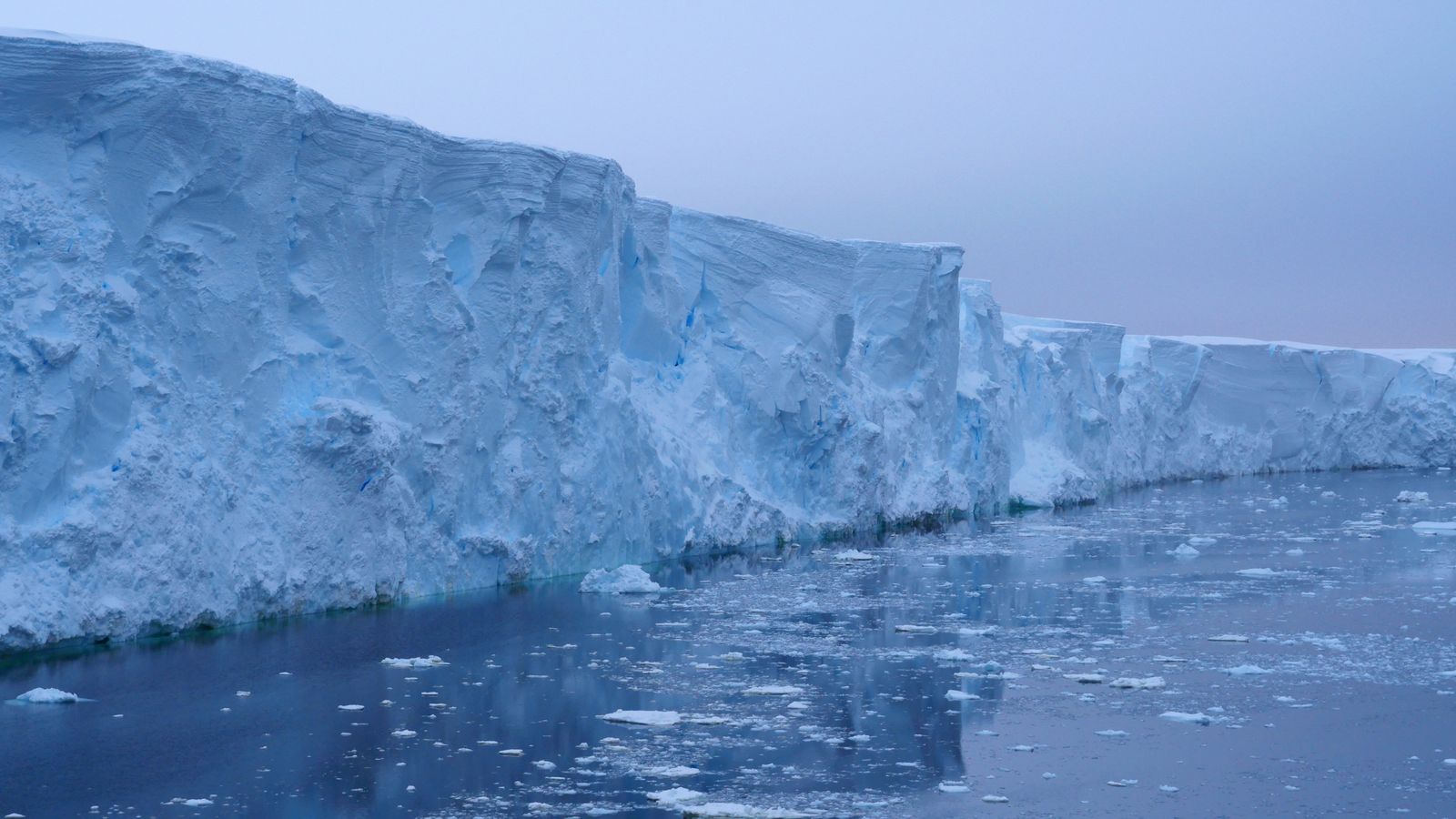
Satellite observations indicate the Thwaites Eastern Ice Shelf is fracturing and accelerating. Researchers report changes in flow speed and structure that reduce its buttressing effect on the glacier.
May 18, 9:10 AM·1m read1 source
 news.sky.com
Audio version
Tap play to generate a narrated version.
Satellite images show large fractures forming around the pinning point and along the grounding line of the Thwaites Eastern Ice Shelf. The shelf, roughly 1500 square kilometres and 350 metres thick, has thinned due to ocean circulation changes and is now being pulled apart by altered ice-flow dynamics.
Researchers tracking the area report that the shelf's flow rate tripled between January 2020 and January 2026, reaching just over 2000 metres per year. Additional acceleration occurred in the past five months.
The loss of buttressing has already increased the flow of glacier ice previously held back by the shelf by about 33 per cent between January 2020 and 2026. Scientists note that the shelf is no longer providing significant stabilisation at the pinning point.
New rifts continue to open along the grounding line. The detached ice is expected to remain near the coast rather than calving as a single large iceberg.
Thwaites glacier currently accounts for 4 per cent of global sea-level rise. A study published in January projects the glacier will lose about 190 gigatonnes of ice per year by 2067, a 30 per cent increase from current rates. Researchers state that the changes are part of a broader trend of ice-shelf destabilisation observed since the 1990s.
They describe the process as gradual rather than an immediate crisis.
Transparency
How sources framed this
Single source — no framing comparison available.
CorroborationModerate · 1 source