Tijuana River Sewage Contamination Exposes Thousands to Health Risks During Ongoing Cleanup
More than 100 billion gallons of raw sewage have flowed into the Tijuana River since 2018, affecting tens of thousands of people in Southern California. Despite a 2025 U.S.-Mexico agreement to upgrade wastewater plants, health issues linked to toxic hydrogen sulfide gas persist in the region.
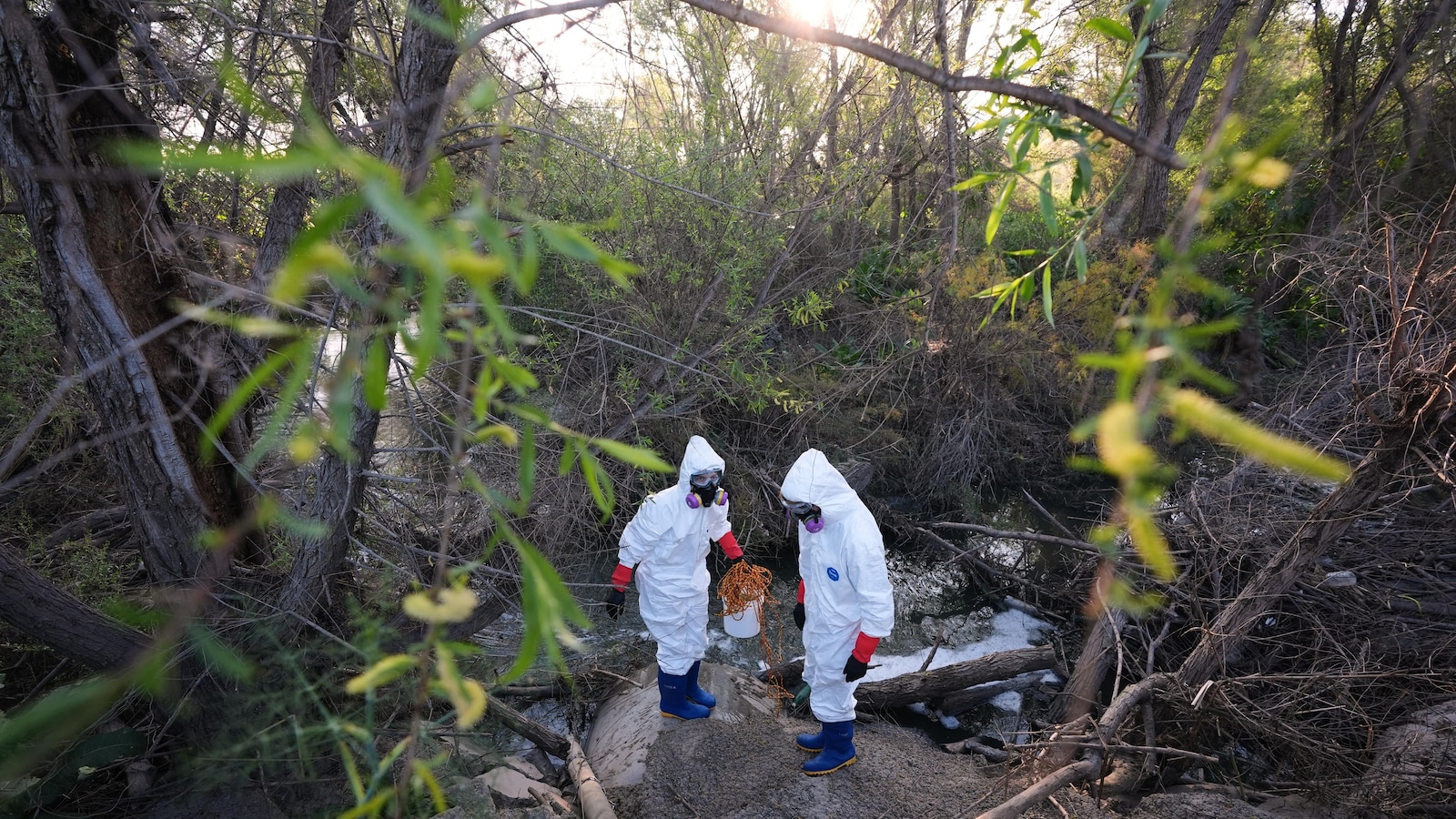 Abc News
Thousands of residents near the Tijuana River in Southern California continue to suffer health problems from exposure to raw sewage and industrial waste flowing from Mexico before emptying into the Pacific Ocean, according to the International Boundary and Water Commission. The contamination has caused widespread nausea, delirium, headaches, and respiratory issues among local populations.
Tens of thousands of people are exposed to the sewage, which emits hydrogen sulfide, a toxic gas linked to neuron erosion in the nose and asthma attacks, the Centers for Disease Control and Prevention reported. The gas can cause symptoms including headaches, cough, shortness of breath, and skin and eye irritation.
Steve Egger, 72, a resident whose home lies near the river, described the persistent smell of rotten eggs, especially at night when the river foams with sewage.
Despite having a hospital-grade air filtration system cycling every 15 minutes, Egger and his wife frequently experience headaches, congestion, and coughing. Doctors have advised Egger to move, though no formal diagnosis of hydrogen sulfide exposure has been provided. Egger’s family has lived in the area for generations, once raising dairy cows on the land now affected by pollution.
Environmental Protection Agency Administrator Lee Zeldin visited San Diego and stated it will take about two years to resolve the environmental crisis. Air monitoring found hydrogen sulfide concentrations up to 4,500 times higher than typical urban levels and 150 times above California’s air standards during peak river flows at night.
Researchers also detected thousands of other toxic gases without odor. Local clinics report increased patient visits for migraines, nausea, wheezing, and brain fog, with asthma patients using inhalers more frequently when the air quality worsens. San Diego County and the CDC found in 2024 that 71% of households near the river could smell sewage indoors, and 69% reported sickness linked to exposure.
The county has distributed over 10,000 air filters in 2026 to affected homes. Nearby beaches have been closed for years due to contamination, and Navy SEALs training in the area have fallen ill. California’s hydrogen sulfide standard dates back 56 years and is under review for updates to reflect current health risks.
A proposed California bill would revise the standard, but new regulations are unlikely before 2030. Texas lawmakers are also considering updates to their hydrogen sulfide laws. A Democratic senator noted that earlier standards focused on odor nuisance without scientific understanding of health impacts.
Community groups have launched campaigns such as Citizens for Coastal Conservancy’s “Stop the Stink,” with signs displayed on affected properties like Egger’s. The river, now mostly filled with sewage year-round, contrasts with its historical seasonal flow during rainy seasons.
The pollution hotspot near Saturn Boulevard, less than half a mile from Egger’s home, releases concentrated sewage through pipes, exacerbating local exposure.
“Every day the Tijuana River problem isn't fixed, more people are getting sick." — Dr. Matthew Dickson > "Patients say they feel better when it doesn’t smell outside." — Dr. Kimberly Dickson > "When the hydrogen sulfide standard was first established and reviewed, it was all about nuisance and odor, and there was no scientific understanding of the health impacts at that time.”
Story Timeline
5 events- 2026-04-16
Thousands of people continue to suffer health effects from toxins in the Tijuana River as sewage pollution persists.
3 sourcesAbc News · International Boundary and Water Commiss · Centers for Disease Control and Preventi - February 2026
EPA Administrator Lee Zeldin visited San Diego and stated cleanup will take about two years.
1 sourceAbc News - 2025
United States and Mexico signed an agreement to upgrade wastewater plants to address Tijuana River pollution.
1 sourceAbc News - 2024
San Diego County and CDC sampling found 71% of households near the river smelled sewage indoors and 69% reported sickness.
1 sourceAbc News - September 2024
Air monitors installed near Steve Egger’s neighborhood detected hydrogen sulfide levels 4,500 times higher than typical urban levels.
1 sourceAbc News
Potential Impact
- 01
Continued exposure to toxic sewage and hydrogen sulfide gas will likely increase respiratory and neurological illnesses in the affected population.
- 02
Delayed updates to hydrogen sulfide air quality standards could prolong inadequate protections for residents near the Tijuana River.
- 03
Upgrading wastewater treatment plants as per the 2025 agreement may reduce pollution levels over the next two years.
Transparency Panel
Related Stories
 NASA Johnson Space Center / Wikimedia (Public domain)
NASA's Artemis II Completes First Manned Moon Mission Since 1972, Sets Distance Record
NASA's Artemis II mission completed a flight around the moon and splashed down in the Pacific Ocean on Saturday. The mission marks the first manned moon mission since 1972 and set a record for the furthest humans have travelled into space at 252,756 miles (406,771km). Meanwhile,…
 forbes.com
Federal Court Dismisses Trump Administration Lawsuit Against Hawaii Climate Case
A federal judge dismissed a lawsuit filed by the Trump administration that sought to block Hawaii from suing oil companies over climate change. The court ruled the administration lacked legal standing due to speculative claims of harm.
 winnipegfreepress.com
Two Studies Report AMOC Slowdown Evidence from Models and Observations
Recent research published in Science Advances and by University of Miami scientists shows the Atlantic Meridional Overturning Circulation (AMOC) is weakening across multiple latitudes. The studies indicate the decline is stronger than previous climate model estimates and may appr…