science
Tips for Keeping Homes and People Cool During Hot Weather
Simple steps can help reduce indoor heat when outdoor temperatures rise. These measures focus on air flow, shading, and personal cooling methods.
May 20, 5:23 AM·2m read1 source
 The Bbc
Audio version
Tap play to generate a narrated version.
When outdoor temperatures increase, several basic actions can help maintain cooler conditions inside homes and for individuals.
Open windows on opposite sides of a house to promote air movement and release trapped warm air. This approach works best when outdoor air is cooler than indoor air, such as overnight or early in the day. In homes with windows on one side only, opening doors and using a fan can assist airflow.
Opening loft vents or windows allows rising hot air to escape from upper floors. Extra insulation can limit heat entry during summer months while also lowering energy use in winter.
Keep windows closed and use blinds or curtains during the hottest part of the day, particularly on the side of the home facing direct sunlight. This helps prevent warmer outdoor air from entering living spaces.
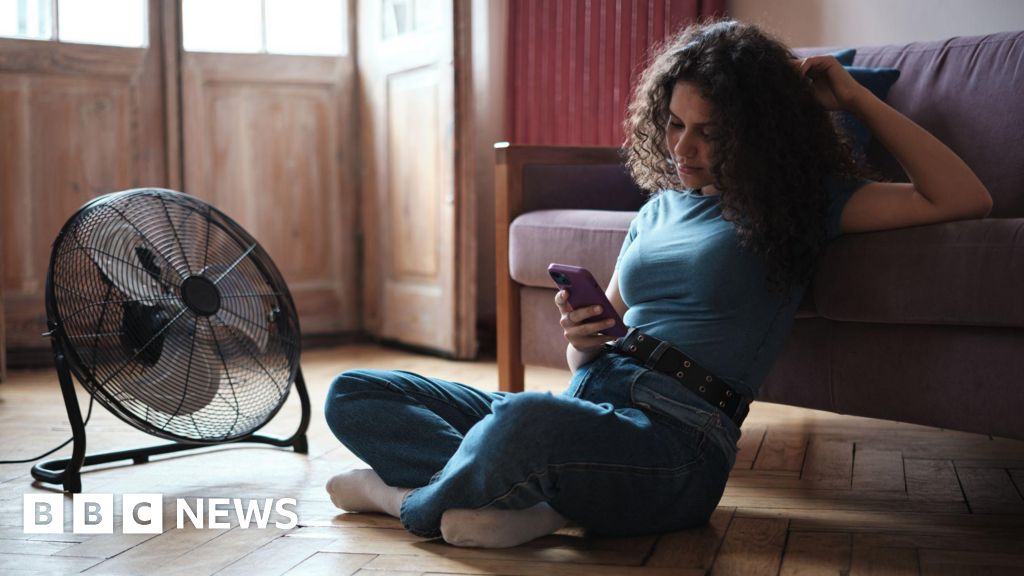
Fans provide an energy-efficient option for moving air and improving comfort. Placing a fan near an open window can distribute cooler outdoor air inside when conditions allow. Adding ice cubes in front of a fan can further lower the temperature of the air being circulated.
Multiple fans can be positioned to create cross currents throughout a room. Using a fan when outdoor temperatures exceed 35 degrees Celsius may increase discomfort by moving hot air toward the body. Air conditioning offers another cooling choice but requires higher energy consumption, with continuous 24-hour operation costing between £4.84 and £6 according to the Energy Saving Trust.
Avoid using ovens, cookers, washing machines, and dishwashers during peak heat periods to reduce added warmth inside the home. Opting for cold meals such as salads during the hottest hours can also limit heat generation.
Tepid showers help lower body temperature while using less energy than colder options. Placing an ice pack or cold-water bottle on the body, wrapped in a towel, can provide quick relief. Clothing made from natural fibers like cotton and linen, along with loose-fitting styles, supports temperature regulation and allows air movement.

