TMC Suffers Major Post-Election Revolt but Retains 40% Vote Share, 80 Seats and 28 MPs
Roughly three-quarters of TMC legislators and 20 of its 28 MPs have moved against Mamata Banerjee following the party's defeat. The BBC reported the developments.
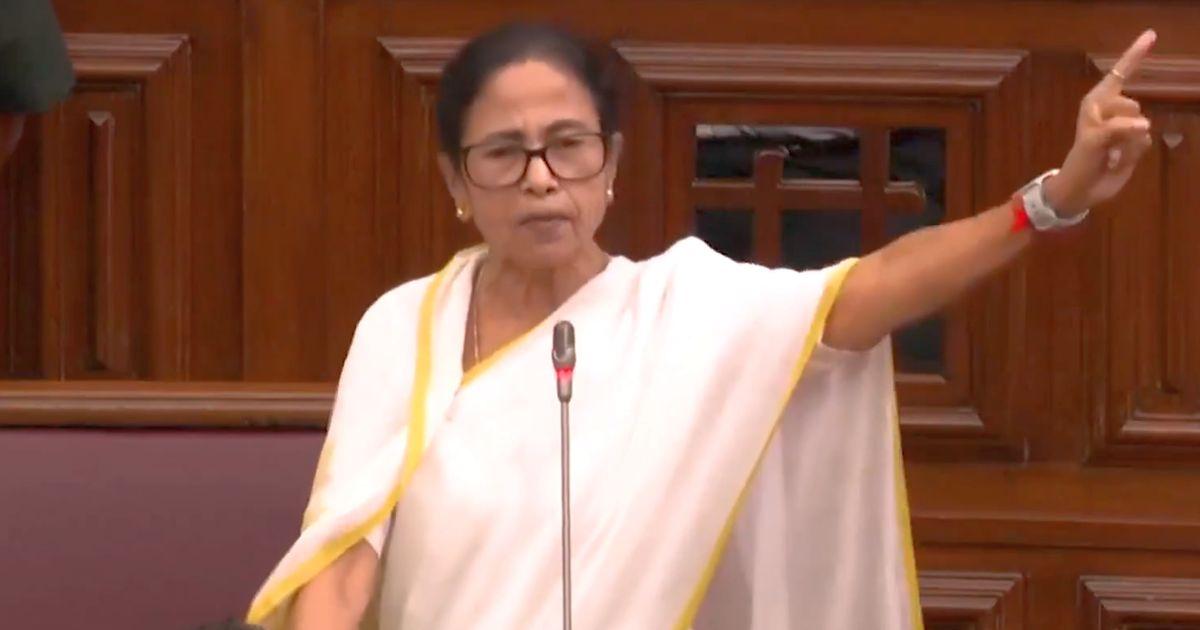 rediff.com
Roughly three-quarters of the Trinamool Congress legislators in the West Bengal assembly revolted against Mamata Banerjee and her nephew Abhishek Banerjee within weeks of the most recent state election. The rebels seized control of the party's legislative wing, installed their own opposition leader, and accused the leadership of forging signatures on legislative documents.
A reported 20 of the TMC's 28 members of parliament have written to the speaker of parliament seeking to break away from the party's parliamentary group and align with the BJP-led ruling alliance.
In the Falta constituency, which the TMC had won with 56 percent of the vote in 2021, the party failed to field a candidate for a repoll. A TMC public meeting earlier in June drew only a few hundred people. TMC leaders are being arrested on corruption charges almost every day, party offices stand deserted, and organisational networks are being dismantled.
The TMC won 26 million votes in the election, roughly 40 percent of the popular vote, and retains 80 legislators in the state assembly along with its 28 members of parliament. The BJP ended the TMC's 15-year rule in the state. Mamata Banerjee, 71, lost her own seat in Kolkata.
She described the BJP victory as illegal and immoral and alleged that around 100 seats were looted. She said last week that some people who enjoyed power have now reached an understanding with another party. "We will rebuild the party anew.
TMC is not for its leaders; it is for its workers," Banerjee said. Dwaipayan Bhattacharyya, a political scientist, said what has happened to the TMC is quite unprecedented. He noted that the party rested on two pillars: Mamata's brand value and governmental resources.
Rahul Verma, a fellow at the Delhi-based Centre for Policy Research, said the pattern resembles recent splits in parties such as Shiv Sena, where a succession struggle and the concentration of power within one family triggered a large-scale rebellion. The TMC governed West Bengal for 15 years after Mamata Banerjee ended 34 years of Communist rule in 2011.
Time magazine named her among the world's 100 most influential people after that victory. The rebellion is led by a minor legislator who is a former communist who defected to the TMC. Bhattacharyya said Banerjee can still come back.