science
Total Solar Eclipse to Cross Europe and Atlantic on 12 August
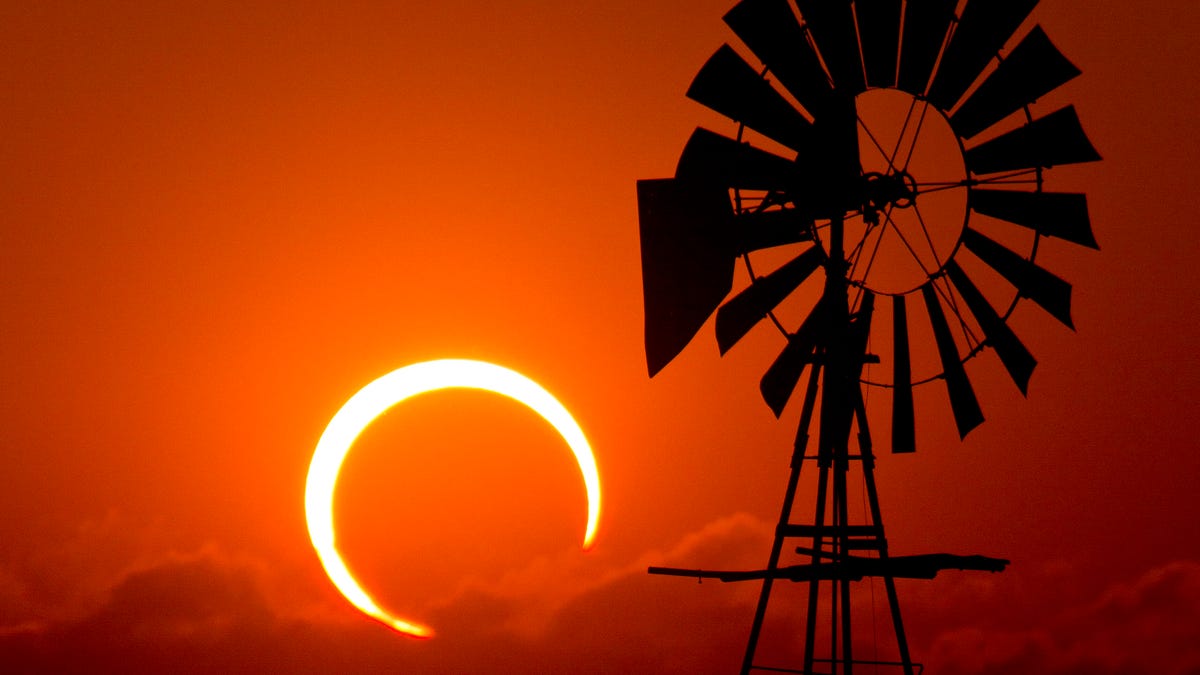
A total solar eclipse will pass over parts of Europe and the Atlantic Ocean on 12 August. A partial eclipse will be visible across roughly one-quarter of Earth, including the United States, Canada, the United Kingdom, and much of Europe and Africa.
 cnet.com
Audio version
Tap play to generate a narrated version.
Developing·Limited corroboration so far. This page will refresh as more sources emerge.
On 12 August a total solar eclipse will move across parts of Europe and the Atlantic Ocean as the moon passes between Earth and the sun. m. local time. The moon's shadow will travel along Greenland's eastern coast at more than 3,400 kilometres per hour.
Maximum totality will last about 2 minutes and 18 seconds before the shadow crosses into the Atlantic Ocean and reaches Iceland. m. local time.
After leaving Iceland the shadow will cross the ocean again and reach northern Spain just before 8:30 p.m. local time. It will graze the northeast corner of Portugal and pass over the Balearic Islands before sunset ends the event. This marks the first total solar eclipse visible in Iceland since 1954 and the last until 2196.
During Totality During the brief period of totality, ground temperatures drop several degrees and daylight turns to twilight. The sun's corona becomes visible to the naked eye. Observers must use eye protection at all other stages of the eclipse. A partial eclipse, in which the moon covers only part of the sun, will last more than an hour across much of the northern United States, Canada, Europe, and northwestern Africa.
Eye protection is required throughout the partial phase.