world
Trees Offset Nearly Half of Urban Heat Island Effect Worldwide, Major Study Finds
A study published May 7, 2026, shows trees mitigate nearly half the urban heat island effect caused by man-made surfaces. More than 900 million city dwellers benefit from temperatures 0.25°C lower due to tree cover. The cooling benefit is concentrated in high-income countries and suburban areas.
 Semafor
Audio version
Tap play to generate a narrated version.
Developing·Limited corroboration so far. This page will refresh as more sources emerge.
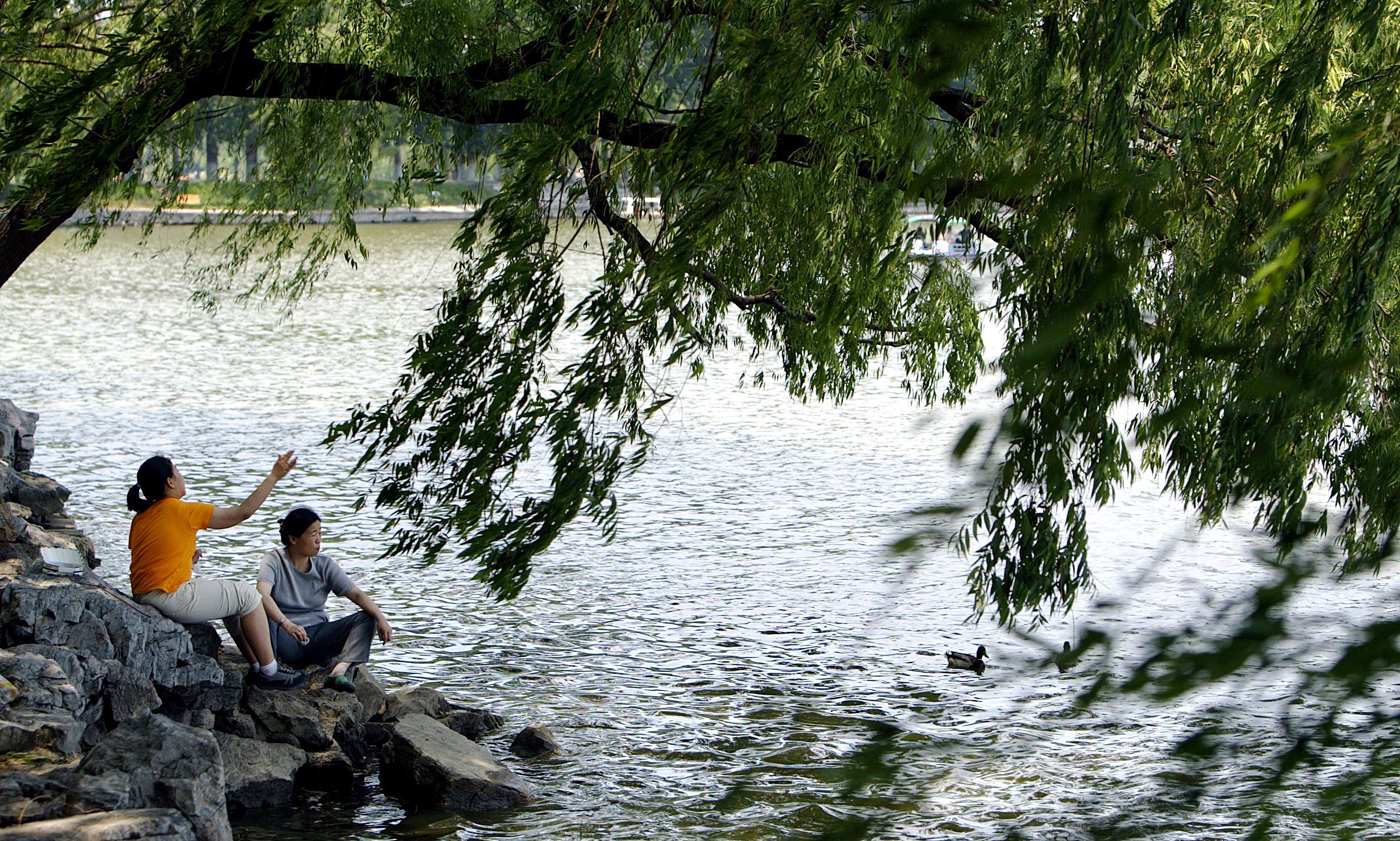
Trees in major cities worldwide mitigate nearly half of the heat effect generated by man-made surfaces such as roads, buildings, and car parks, according to a new study by The Nature Conservancy published on May 7, 2026. Without the cooling effect of trees, the urban heat island effect across the world’s cities would be twice as hot.
Man-made surfaces absorb and re-radiate solar heat, causing cities to run hotter than their surrounding rural areas.
25°C lower than they would experience without trees. 50°C due to trees. The study was published at 7:30am EDT on May 7, 2026, Semafor reported.
The cooling effect of trees is concentrated precisely where it’s less needed, in high-income countries and suburban neighbourhoods. Current and future tree cover will mitigate only around 10% of the increase in temperatures caused by climate change that is expected by 2050.
Governments worldwide should prioritize expanding tree canopy in dense, low-income urban areas while there’s still time for those trees to reach their full, cooling potential, the report’s authors said.
The findings come as cities grapple with rising temperatures from both urban development and broader climate change. The Nature Conservancy study quantifies how trees already blunt the impact of heat-absorbing infrastructure on a global scale. Its release on May 7, 2026, offers fresh data for urban planners weighing tree-planting priorities.
Natasha Bracken authored the article, with photography credited to Andrew Wong. Semafor reported that the concentrated benefits in wealthier areas underscore an equity gap in urban cooling. The limited projected impact on 2050 climate-driven warming highlights the need for both tree expansion and other heat-mitigation strategies.