Substrate
politics

Trump Administration Intensifies Pressure on Mexican Cartels, Designates Them Terrorist Organizations

U.S. forces have conducted boat bombings since September that killed nearly 200 people. Washington pressured Mexico to eliminate drug lord Nemesio Oseguera Cervantes, known as El Mencho, in February 2026. President Trump hosted the first summit of a new regional security initiative in March.

FO
1 source·May 12, 4:57 PM(17 days ago)·2m read
Trump Administration Intensifies Pressure on Mexican Cartels, Designates Them Terrorist Organizationsthenation.com
Audio version
Tap play to generate a narrated version.
Developing·Limited corroboration so far. This page will refresh as more sources emerge.

An anticartel military operation took place in Guadalajara, Mexico, in February 2026. That same month, Washington strong-armed Mexico into taking out the drug lord Nemesio Oseguera Cervantes, known as El Mencho. President Donald Trump’s approach to the drug war has included spectacular boat bombings by American forces in the Caribbean and the eastern Pacific since September.

Those operations have killed nearly 200 people. Benjamin Lessing, writing in Foreign Affairs, stated the boat bombings violated international law.

U.S. Prosecutors indicted Rubén Rocha Moya, governor of Mexico’s Sinaloa state, on charges of aiding drug trafficking. -led regional security initiative to counter drug cartels and transnational crime. Trump has designated Mexican and Venezuelan cartels as foreign terrorist organizations.

He is threatening to designate Brazil’s powerful prison-based gangs as foreign terrorist organizations. U.S. officials have floated direct military action that would shred diplomatic boundaries long thought inviolable, @ForeignAffairs reported.

The current efforts echo Mexico’s experience in 2006, when President Felipe Calderón launched a full-scale offensive against cartels, deploying Mexican armed forces in the streets. Cartel-related homicides in Mexico increased tenfold after Calderón’s 2006 crackdown.

Members of Felipe Calderón’s security staff, working with Mark Kleiman, pushed a plan to hit the most violent cartels hardest, but Calderón rejected it.

U.S. fentanyl crisis was responsible for an estimated 70,000 deaths between November 2024 and November 2025. The United States and Latin America interdict only a small share of overall drug flows, on the order of 20 percent.
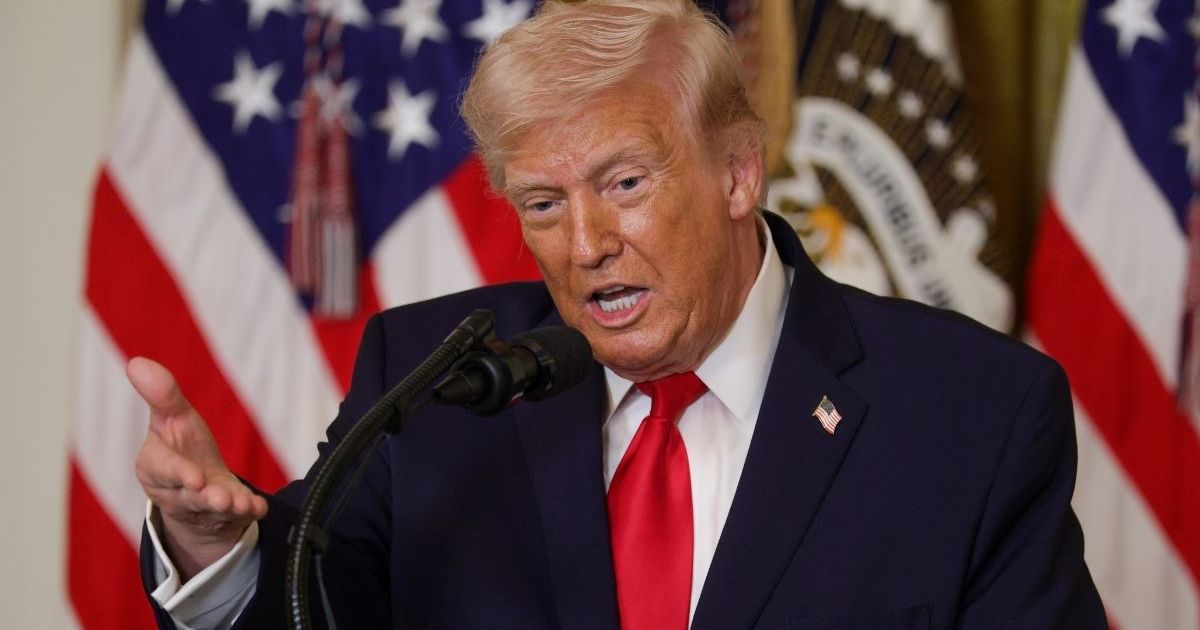
Trump signed an executive order in April to fast-track research on the use of ibogaine and other psychedelics for medical purposes. Benjamin Lessing argued that Trump’s talent for coercion could support a policy of conditional repression that concentrates force on the worst cartel behavior rather than pursuing unconditional crackdowns.

"However contentious his tactics, Trump may be uniquely (and surprisingly) qualified to change the way the United States—and the world—fights the drug war," Lessing wrote in the May 12, 2026, Foreign Affairs article.

Lessing is Associate Professor of Political Science at the University of Chicago and Founding Co-Director of the Program on Political Violence at the Chicago Project on Security and Threats. Lessing contended that unconditional repression has backfired by empowering the most violent groups, as seen with the rise of El Mencho’s Jalisco New Generation Cartel after 2006.

He proposed drawing bright redlines and using escalatory measures only against groups that cross them, thereby reducing fentanyl flows, violence, extortion and environmental damage while leaving well-behaved organizations intact enough to maintain order.

Key Facts

U.S. boat bombings since September killed nearly 200
The operations in the Caribbean and eastern Pacific violated international law according to Benjamin Lessing and have done little to curb the fentanyl crisis.
El Mencho killed in February 2026
Washington strong-armed Mexico into the operation targeting Nemesio Oseguera Cervantes; two months later Rubén Rocha Moya was indicted.
Shield of the Americas launched in March
Trump hosted 12 Latin American leaders at a Florida country club for the first summit of the U.S.-led initiative against cartels.
Cartel homicides rose tenfold after 2006 Mexican offensive
Felipe Calderón's deployment of armed forces in the streets led to the increase and the rise of groups like the Jalisco New Generation Cartel.

Story Timeline

7 events
  1. 2006

    President Felipe Calderón launched full-scale offensive against cartels, deploying Mexican armed forces in the streets

    1 sourceForeignAffairs
  2. September 2025

    U.S. forces began spectacular boat bombings in the Caribbean and eastern Pacific

    1 sourceForeignAffairs
  3. November 2024 to November 2025

    U.S. fentanyl crisis caused an estimated 70,000 deaths

    1 sourceForeignAffairs
  4. February 2026

    Anticartel military operation in Guadalajara; U.S. pressured Mexico to eliminate El Mencho

    2 sourcesForeignAffairs · Jose Luis Gonzalez / Reuters
  5. March 2026

    Trump hosted first Shield of the Americas summit with 12 Latin American leaders

    1 sourceForeignAffairs
  6. April 2026

    Trump signed executive order to fast-track ibogaine and psychedelic research

    1 sourceForeignAffairs
  7. 2026-05-12

    Benjamin Lessing published analysis in Foreign Affairs advocating conditional repression

    1 sourceForeignAffairs

Potential Impact

  1. 01

    Increased diplomatic strain with Latin American nations over sovereignty concerns from direct U.S. military actions

  2. 02

    Risk of renewed turf wars and violence if unconditional military pressure continues at hemispheric scale

  3. 03

    Potential reduction in fentanyl trafficking if cartels respond to conditional threats by shifting to less harmful drugs

  4. 04

    Possible policy shift toward selective punishment that leaves some cartels intact to police rivals

Transparency Panel

Sources cross-referenced1
Confidence score75%
Synthesized bySubstrate AI
Word count412 words
PublishedMay 12, 2026, 4:57 PM
Bias signals removed3 across 3 outlets
Signal Breakdown
Loaded 3

Related Stories

Federal Judge Orders Trump Name Removed From Kennedy CenterVariety
politics51 min ago

Federal Judge Orders Trump Name Removed From Kennedy Center

A federal judge ruled Friday that the Kennedy Center board violated the law by adding President Donald Trump's name to the venue and ordered the name removed within two weeks. The same ruling blocked a planned two-year closure for renovations.

Newsweek
Cnn
Deadline
Variety
Cbs News
+2
7 sources
Brazil's Lula Criticizes U.S. Terror Designation of Crime GroupsLe Monde
politics51 min agoFraming65Framing risk65/100Lede and title foreground Lula's criticism and process details over the substantive U.S. terror designation of major Brazilian crime groups, inheriting consensus framing from sources.Click to jump to full framing analysis

Brazil's Lula Criticizes U.S. Terror Designation of Crime Groups

Brazilian President Luiz Inacio Lula da Silva rejected the U.S. decision to label two major crime organizations as terrorist groups. He called the move a potential setback in fighting crime and warned against interference in Brazilian sovereignty.

AF
Le Monde
2 sources
Giants QB Jaxson Dart Discusses Trump Rally Introduction With Teammatesnypost.com
politics51 min agoFraming55Framing risk55/100Rewrite stays largely neutral and fact-focused on the QB's explanation and team response; minor inherited process framing but no strong valence skew or loaded language detected.Click to jump to full framing analysis

Giants QB Jaxson Dart Discusses Trump Rally Introduction With Teammates

New York Giants quarterback Jaxson Dart spoke publicly for the first time about introducing President Donald Trump at a May 22 event. He addressed the team during a Tuesday meeting after teammate Abdul Carter posted criticism on social media.

nypost.com
ESPN
2 sources