politics
Trump Administration Moves Marijuana from Schedule I to Less Restrictive Category
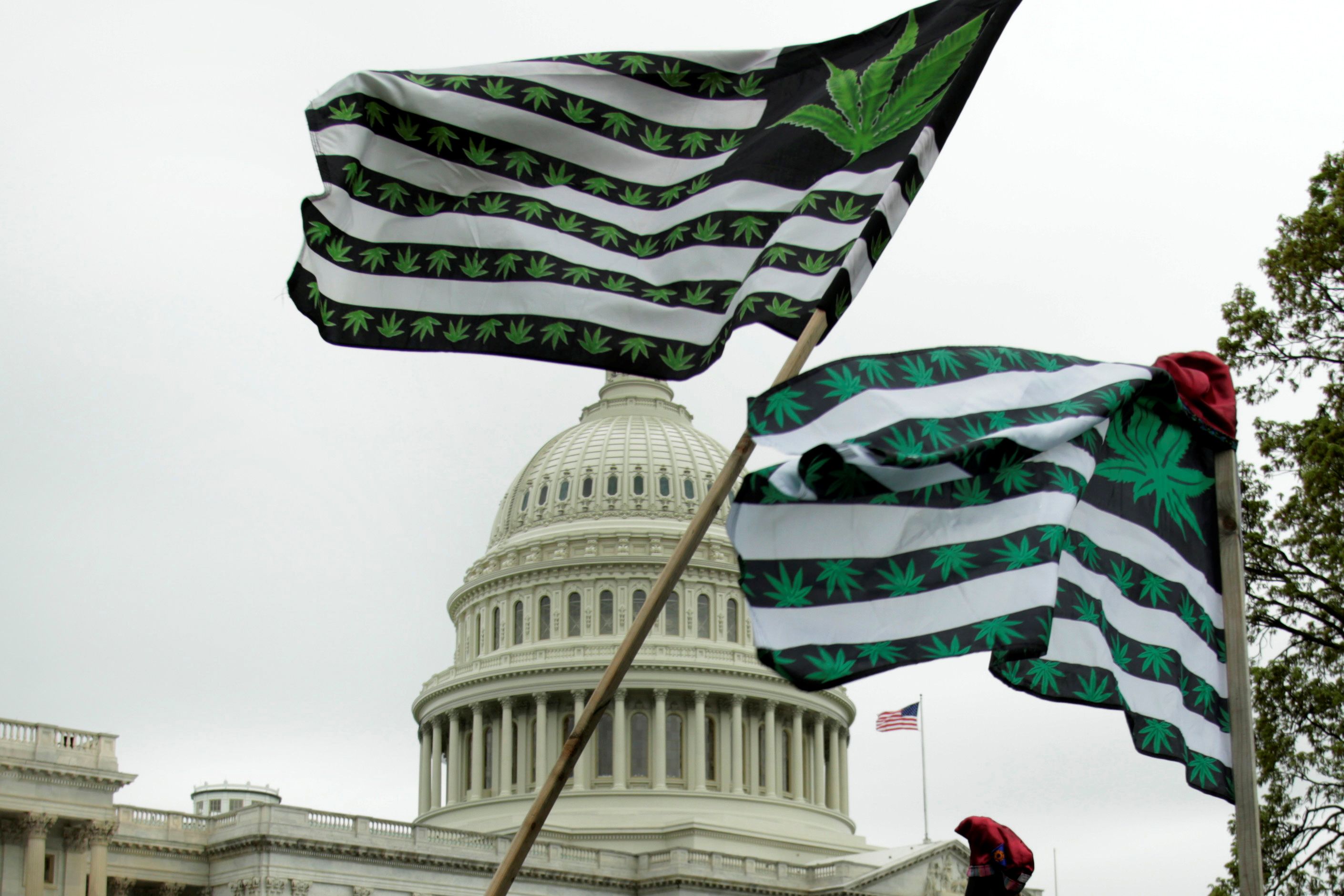
The Trump administration reclassified marijuana on April 23, 2026, removing it from the same federal category as heroin and LSD. The move eases research barriers and provides tax benefits for the legal cannabis industry. It does not legalize marijuana nationwide, amid ongoing state-level liberalizations and some public backlash.
 Semafor
Audio version
Tap play to generate a narrated version.
Developing·Limited corroboration so far. This page will refresh as more sources emerge.
The Trump administration reclassified marijuana as a less harmful substance on Thursday, April 23, 2026, Semafor reported. The decision removes cannabis from the same federal category as heroin and LSD, which includes drugs with high potential for abuse. This shift provides regulatory wiggle room for the legal cannabis industry.
The reclassification removes some barriers to research on marijuana. It also generates tax benefits for the legal cannabis industry, which has struggled to grow in recent years despite state-level changes. Semafor noted that the industry has faced challenges somewhat incongruously.
Most US states liberalized drug laws over the past decade, leading to a once-unstoppable movement for legalization. However, this has generated some public backlash over concerns including high THC concentrations and marijuana’s ubiquitous smell in public spaces, according to Semafor. The federal reclassification does not legalize marijuana use nationwide.
Advocates cheered the move, while some Republicans criticized it, Semafor reported. The decision follows a decade of state-level liberalizations but addresses ongoing federal restrictions. Bloomberg noted the industry's growth struggles in this context.