Trump Administration Proposes Rule to Expand Employer IVF Coverage
President Trump has proposed a rule allowing employers to offer standalone fertility benefits with a lifetime cap of $120,000. The measure follows earlier steps to negotiate discounted prices for three IVF drugs but does not require coverage by employers or insurers.
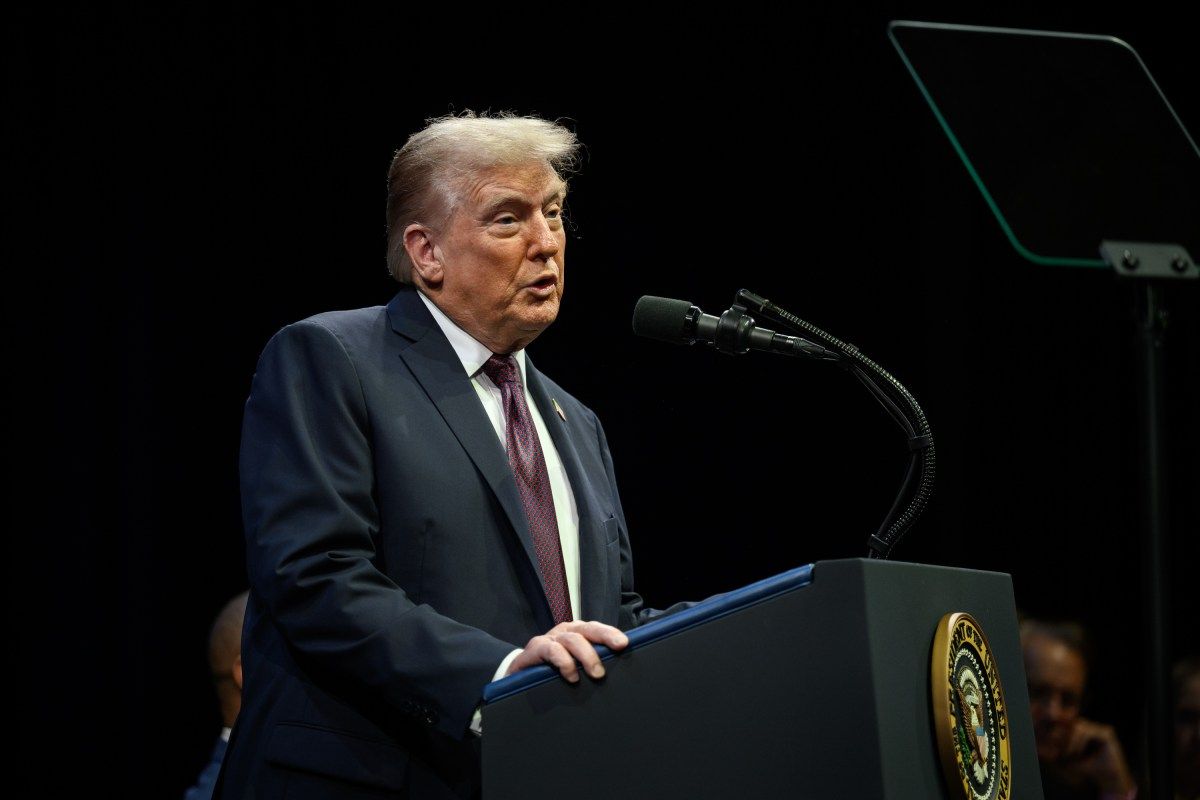 azernews.az
President Trump proposed a rule last week that would let employers offer fertility benefits as a standalone plan similar to dental or vision coverage. The proposal sets a lifetime cap of up to $120,000, indexed to inflation after 2028. It does not require employers to provide the benefit or offer federal financial incentives such as tax breaks.
During the 2024 campaign, President Trump said the government or insurers would cover all IVF costs. Since taking office, the administration has negotiated discounted cash prices for three fertility drugs listed on the TrumpRx website. Those discounts have helped more than 19,000 patients access IVF medications, according to EMD Serono.
The company stated that patient savings will soon surpass $100 million.
Fifteen states have enacted IVF coverage mandates that apply only to fully insured plans. Only Utah requires Medicaid coverage for certain medical conditions. Half of employers with at least 500 workers offered IVF benefits last year, up from 22 percent in 2019, according to Mercer.
Among employers with 20,000 or more workers, the figure reached 77 percent. A single IVF cycle costs between $25,000 and $35,000. Employers commonly cap the number of cycles or total benefit amount to control expenses.
Kinder and her husband have spent more than $50,000 on two IVF cycles after their employer cap of $7,500 proved insufficient. "A federal mandate would offer my husband and me a pathway to having a family, which we so desperately want," Kinder said. Sean Tipton of the American Society for Reproductive Medicine said the proposed rule is unlikely to increase coverage without financial incentives and recommended that the federal government first cover IVF for its own employees and military members.
The rule will undergo two months of public comment before any final version is issued.
Transparency
Story details
Related Stories
 Just the News
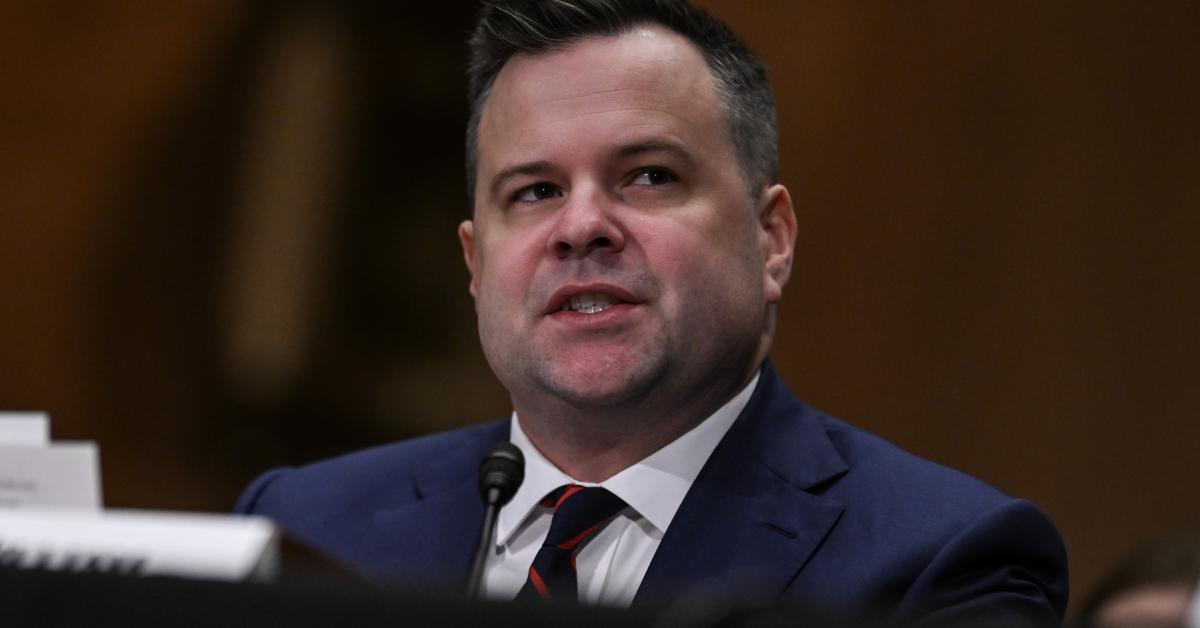
Senate Votes 52-47 Against Three-Year Extension of Section 702 Surveillance Authority
The Senate voted 52-47 against opening debate on renewing the warrantless surveillance program. Democrats cited President Trump’s appointment of Bill Pulte as acting director of national intelligence.
 deccanchronicle.com
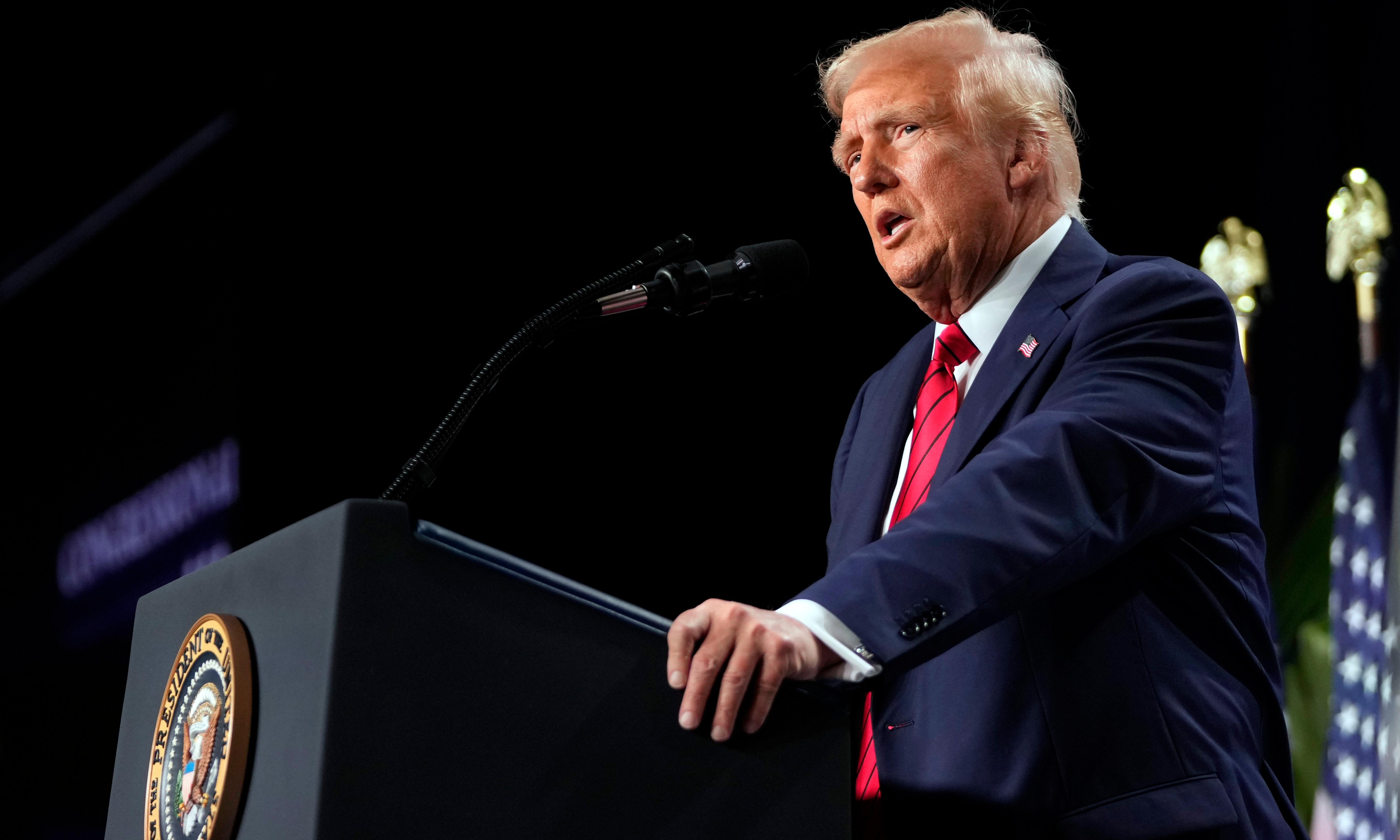
Federal Judge Blocks Trump Asylum, Work-Permit Rules for Nationals From High-Risk Countries
A federal judge in Rhode Island ruled Friday that several immigration policies enacted by the Trump administration are unlawful. The decision halts a global pause on asylum applications and blocks restrictions tied to the president's travel ban.
 France 24
U.S. Sanctions Target Cuban President, Family Members and Castro Relatives
The United States imposed new economic sanctions on Cuba’s president, his wife and stepson, plus relatives of former president Raúl Castro. The Treasury Department also sanctioned several Cuban government-linked organizations.