Trump-Appointed Council Proposes Major FEMA Overhaul
A council appointed by President Trump recommended scrapping the current Federal Emergency Management Agency and replacing it with a transformed, leaner organization that shifts more responsibility to states while retaining a federal backstop for major disasters. The report calls for reducing the federal share of disaster costs, changing eligibility criteria and streamlining aid delivery.
 winnipegfreepress.com
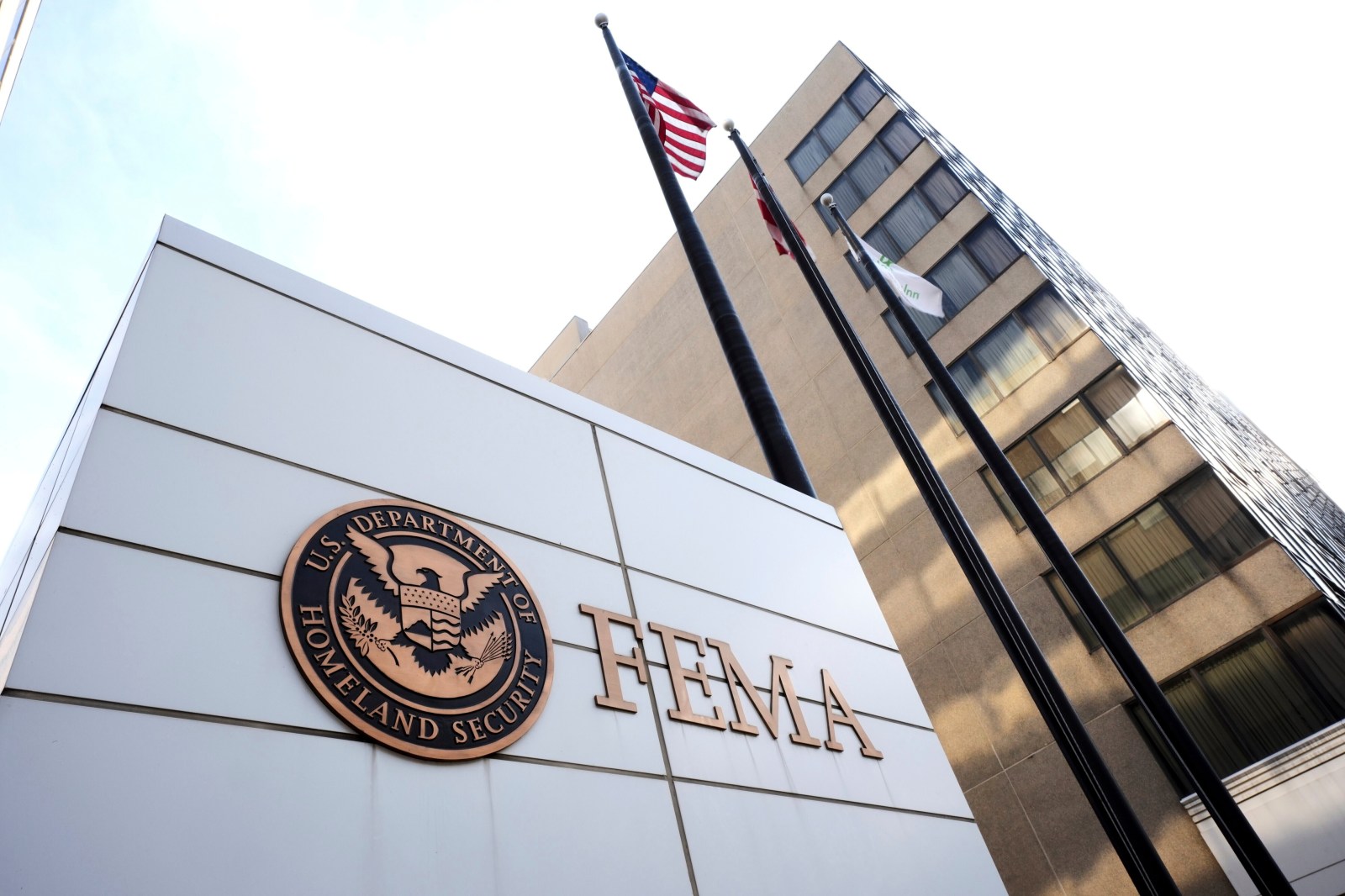
A council appointed by President Trump has proposed scrapping the current version of the Federal Emergency Management Agency and creating a transformed, streamlined organization that responds to fewer emergencies and shifts more responsibility to states, tribes and local governments.
The FEMA Review Council released its final report on Thursday calling for an end to the existing agency, which it said has been damaged by mission creep, excessive bureaucracy and a tendency to elevate local disasters to national events. The panel argued that while some form of national coordination remains necessary as a backstop when states are overwhelmed, the current FEMA structure has become a bottleneck that delays recovery.
The report recommended a two- to three-year phase-in during which the agency would cut staff at its Washington headquarters and redeploy personnel to the field to speed assistance. It also proposed lowering the standard federal share of public assistance costs from 75 percent to 50 percent and reducing individual housing assistance from 100 percent to 75 percent.
The council advocated changing how disasters qualify for federal support, moving away from a per-capita cost formula to a predefined set of metrics. It further suggested giving states direct payments within 30 days of a disaster rather than the current reimbursement model that occurs after work is completed.
For individual survivors, the recommendations would limit housing aid to those whose homes are rendered uninhabitable and replace multiple assistance pathways with a one-time payment. The agency would focus on emergency housing while allowing states to manage their own programs under federal standards.
The report also called for shifting most flood insurance policies from the debt-laden National Flood Insurance Program to the private market. Officials said the changes aim to reduce dependency on federal government support and accelerate delivery of aid.
The council was sharply critical of practices under the previous administration, citing long delays in aid delivery after Hurricane Ida in 2021 and flooding in Kentucky in 2022. It attributed those problems to insufficient field staffing and rigid verification rules that slowed response.
The panel's report stated it is time to close the chapter on the current agency. It added that the FEMA brand had been irreparably damaged by mission creep and endemic program failures.
““It is time to close the chapter on FEMA. Some smaller reforms such as cutting administrative costs and pushing states to take more leadership could be accomplished through executive action. The council submitted its report 15 months after it was created and six months after an original deadline. It reviewed more than 11,000 public submissions, surveyed nearly 1,400 partners, engaged all 50 states and held multiple listening sessions. Homeland Security Secretary Markwayne Mullin said the report provided clear direction for reform of an agency that remains mission capable. The recommendations now go to President Trump for consideration. The White House has not yet indicated which proposals it will endorse. The council's work follows President Trump's earlier calls to abolish the agency, which later evolved into support for major reforms. After Hurricane Katrina, Congress had strengthened FEMA's federal coordination role, while later changes after Hurricane Sandy sought to speed recovery. The current review argues that accumulated missions have pulled the agency from its core functions. A spokesperson for a national emergency management association said the group broadly supports principles of less complexity, faster assistance and cost savings. Some disaster recovery organizations expressed concern that states and local governments may struggle to absorb additional responsibilities, particularly for long-term housing aid.”
Transparency
Rewrite largely presents the council's own framing and recommendations plainly but inherits mild valence skew and selective sourcing from the conservative outlet.
Valence skew: Council's negative verbs and adjectives for existing FEMA repeated without counter-adjectives
The same facts could be read as a necessary correction that refocuses FEMA on true national disasters, cuts wasteful bureaucracy and dependency, and restores state and local responsibility for routine emergencies.
2 independent outlets report the same core facts. This score blends how many outlets corroborate, their editorial tier, and how closely their facts agree — it measures corroboration, not proof.
Sources framed at 65 → our rewrite 35. We stripped 30 points of framing the sources carried in.
Story details
Related Stories
 France 24
France Seizes Russian-Linked Oil Tanker in International Waters Over Alleged Sanctions Violations
French naval commandos boarded the sanctioned tanker Tagor more than 400 nautical miles west of Brittany on Sunday. President Emmanuel Macron announced the seizure and said the operation complied with the law of the sea.
 gamereactor.eu
Trump Says Hezbollah Agreed to Ceasefire, Israel to Halt Beirut Strikes
President Trump announced that Hezbollah pledged to stop all shooting after direct U.S. talks. The deal also bars Israeli attacks on Beirut, with no U.S. troops planned for the city.
 channelnewsasia.com
Trump Rejects Draft Iran Ceasefire MOU, Sends Tougher Counter-Proposal
President Trump posted on Truth Social that talks with Iran would produce a favorable agreement. He also rejected a draft memorandum and returned a tougher version to Tehran.