politics
Trump-Backed Candidates Defeat Most Indiana GOP Senators Who Opposed Redistricting
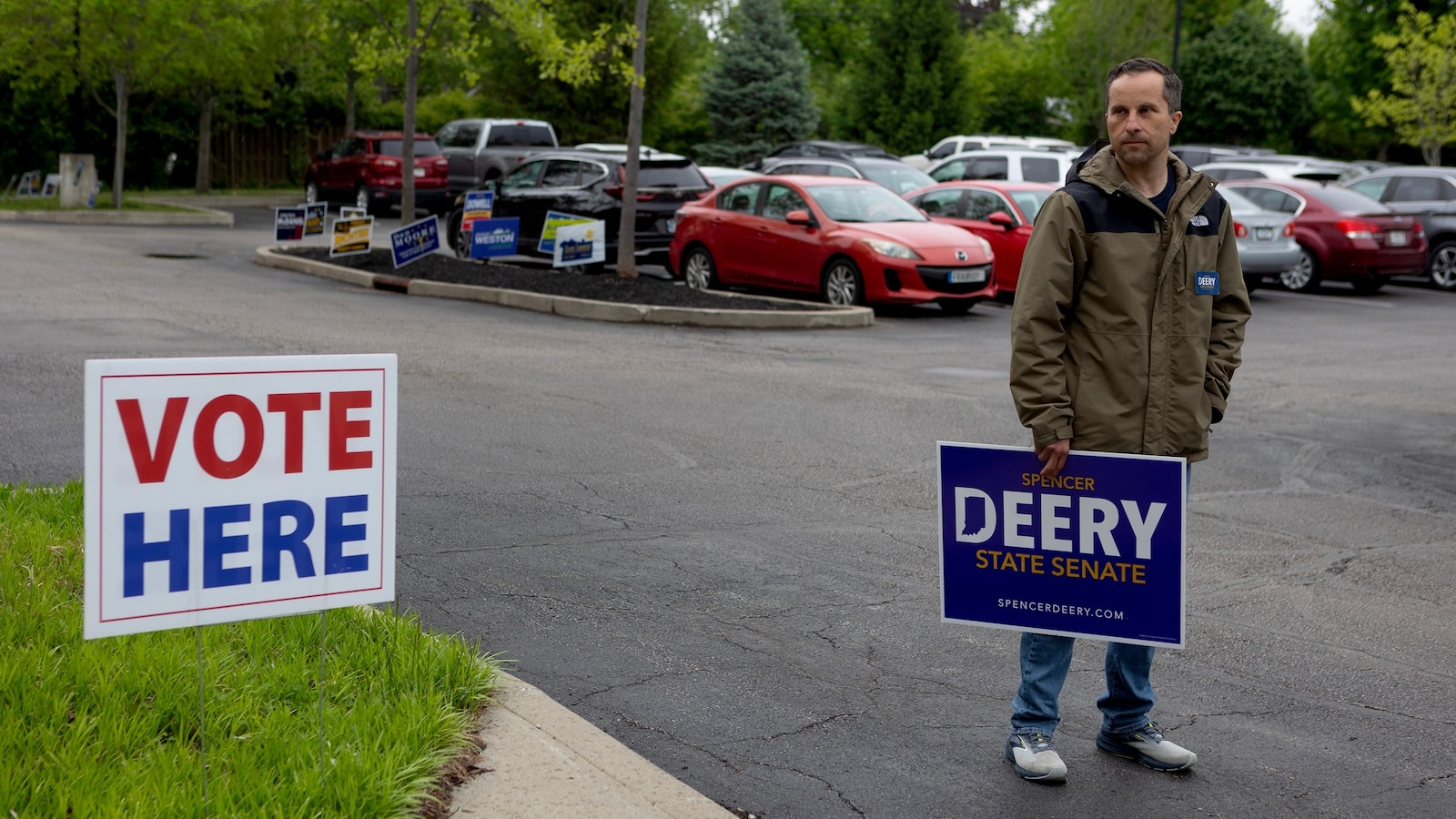
In Indiana's Republican primaries on May 5, 2026, at least five of seven state senators who opposed a mid-decade congressional redistricting effort backed by President Trump lost to challengers supported by Trump and allied groups. One incumbent survived and another race was too close to call.
May 7, 6:44 AM·2m read1 source
 ABC News
Audio version
Tap play to generate a narrated version.
Developing·Limited corroboration so far. This page will refresh as more sources emerge.
Indiana's Republican primaries on May 5, 2026, showed the outcome for state senators who opposed President Trump's push for mid-decade redistricting of congressional maps. At least five of the seven Republican state senators who voted against the effort last year lost their primaries to challengers backed by Trump and his allies, according to projections reported by ABC News.
One incumbent survived the challenge while a seventh race remained too close to call. Trump had publicly warned the lawmakers that opposing the redistricting plan could carry political consequences. The plan was intended to help Republicans gain additional seats in the U.S. House of Representatives.
Conservative groups including the Club for Growth and Turning Point USA spent millions of dollars to support the challengers in these races. The contests, which normally attract little national notice, became a test of loyalty within the Republican Party.
Republican voters in the state largely chose the Trump-backed candidates over incumbents who had established records in their districts and the state legislature.
Republicans in other states, the Indiana results serve as an indicator of the political cost of opposing Trump even in down-ballot races. Attention has now shifted to whether similar dynamics will appear in other upcoming primaries. Thomas Massie have drawn Trump's criticism in the past for breaking with him on key votes.
Cassidy voted to convict Trump in the impeachment trial following the Jan. 6, 2021, events at the Capitol. Massie has opposed Trump and Republican leadership on spending bills, foreign policy matters, and has called for the release of the Jeffrey Epstein files.