Trump Differs from Energy Secretary on Gas Price Timeline
President Trump publicly disagreed with his energy secretary's assessment that high gas prices could persist into next year, highlighting inconsistent messaging within the administration on the economic impacts of the ongoing Iran war. The contradictions come as gas prices remain elevated around $4 per gallon due to disruptions in global oil supply. Officials have offered varying predictions on wh
 jpost.com
The energy secretary had suggested that gas prices might not fall below $3 per gallon until later this year or next year. Officials called this assessment "totally wrong" during an interview. The disagreement underscores broader inconsistencies in the administration's communications about the economic fallout from the conflict, which began in early March 2026 and has closed the Strait of Hormuz, disrupting oil supplies.
Initial Optimism and Shifting Predictions On
March 8, about a week into the war, the energy secretary told CNN that gas prices would return below $3 per gallon "before too long," specifying that in the worst case, it would be a matter of weeks, not months. He later indicated to NBC News a "very good chance" of this occurring by summer.
However, as the war continued and prices stayed high, predictions adjusted. The treasury secretary stated at a White House briefing optimism for gas prices with a "three in front" during the summer. > "In the worst case, this is a weeks, this is not a months thing," Wright said.
" The energy secretary, speaking on CNN, offered a more cautious outlook, stating that sub-$3 gas could happen later this year but might not until next year, describing it as an ambitious goal in inflation-adjusted terms. Officials' response directly undercut this, insisting the energy secretary was wrong.
This follows officials' own fluctuating statements on the issue.
War Context and Oil Supply Impact
The war has led to sustained high gas prices, with the national average around $4 per gallon as of mid-April, according to Gas Buddy. The closure of the Strait of Hormuz has damaged global oil supply, contrary to initial administration expectations of a shorter conflict.
Officials have described the process of removing "nuclear dust" sites in Iran as long and arduous. > "A complete and total obliteration of the Nuclear Dust sites in Iran. Some areas already had prices below $4. These varying messages highlight a lack of unified communication on how long Americans will face higher costs, a key domestic impact of the war.
Initial predictions of quick relief have not materialized, with prices unchanged more than seven weeks in. Officials have doubled down on Operation Midnight Hammer, stating it involves complete obliteration of sites.
Key Facts
Story Timeline
7 events- Apr 21, 1:02 AM ET
2 new sources added: @Osinttechnical, NPR
2 sources@Osinttechnical · NPR - Today — April 21, 2026
President Trump contradicted his energy secretary, calling predictions of high gas prices lasting into 2027 'totally wrong'.
1 sourceCNN - April 20, 2026
Energy Secretary Chris Wright told CNN that gas prices might not drop below $3 until later this year or 2027.
1 sourceCNN - April 15, 2026
Treasury Secretary Scott Bessent expressed optimism for gas prices starting with three by summer at a White House briefing.
1 sourceCNN - April 12, 2026
Trump told Fox News gas prices might not drop before midterms and could stay the same or rise.
1 sourceCNN - March 8, 2026
Energy Secretary Chris Wright predicted gas under $3 in weeks, not months, in a CNN interview.
1 sourceCNN - Early March 2026
The US-Iran war began, closing the Strait of Hormuz and disrupting oil supplies.
1 sourceCNN
Potential Impact
- 01
Voter sentiment on the economy could shift negatively ahead of November midterms due to sustained high gas prices.
- 02
Global oil markets will face prolonged volatility if Iran's nuclear sites require extended cleanup.
- 03
Administration credibility on war management may erode if price predictions continue to miss targets.
- 04
US households could see increased inflation pressure from persistent energy costs.
- 05
Energy policy adjustments may prioritize domestic production to offset import reliance.
- 06
Peace talks with Iran might accelerate to resolve oil supply disruptions sooner.
Multi-source corroboration verifies facts, not framing. This panel scores the Substrate rewrite you just read (top score) and the raw source bundle it came from. A positive delta means the rewrite stripped framing from the sources; a negative or zero delta means our neutralizer let some through.
Trump's direct contradiction of overly pessimistic predictions reassures the public that gas price relief and war victory remain achievable soon despite operational challenges.
- Loaded metaphornotable“broader inconsistencies in the administration's communications”frames policy messages as disorganized disarraySources share the same narrative framing verbs (“sow doubt”, “spark backlash”) — a sign of a shared template, not independent reporting.
- Valence skewminor“fluctuating statements... shifting predictions... undercut this”systematically negative verbs on administration predictionsAdjectives and adverbs systematically slant toward one interpretation even though the underlying facts are neutral.
- Omitted counterpointminor“no mention of external factors like Iran actions”ignores alternative view of war prolongation as enemy-drivenA reasonable alternative reading of the facts isn't represented anywhere in the source bundle.
Transparency Panel
Related Stories
 South China Morning Post
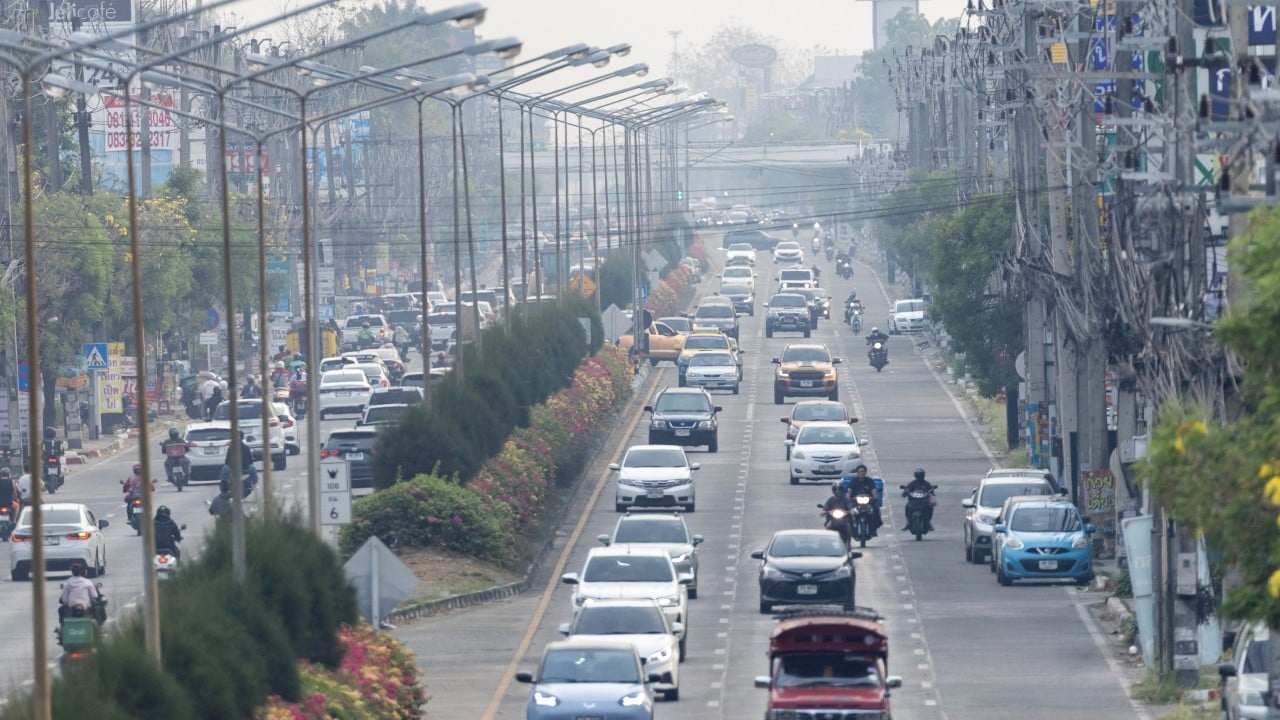
Southeast Asian Governments Implement Work-From-Home Policies Amid Energy Costs
Governments in Southeast Asia have introduced work-from-home measures for civil servants to address rising energy costs linked to the Iran war. Indonesia, the Philippines, Thailand, and Malaysia have adopted such policies with estimated savings in fuel consumption. Analysts noted…
 thegatewaypundit.com
Virginia Voters Decide Referendum on Congressional Redistricting Shift
Virginia voters decide today on a referendum that could shift redistricting power to the Democrat-controlled legislature, potentially altering the state's congressional balance. The measure comes amid national redistricting efforts pushed by President Trump and responses in other…
 seekingalpha.com
Seeking Alpha Comments on Canadian Gasoline Price Shock and Outlook
Seeking Alpha reported on the recent gasoline price shock in Canada, stating it has not been as severe as the post-pandemic period. The report expressed a lack of optimism for the medium-term outlook. This assessment comes amid ongoing inflation discussions in the country.