Trump Endorses Challengers Who Defeat Most Indiana Republican State Senators
President Trump endorsed a slate of challengers in Indiana's primary who defeated five of the seven state senators he targeted after they opposed a redistricting plan. The effort followed an earlier defeat for the president on the issue and involved more than $8.3 million in spending on typically low-cost races.
 upi.com
President Trump endorsed challengers who defeated almost every Indiana state senator he targeted after those lawmakers opposed a redistricting plan he supported. The results came five months after Republican state senators in Indiana defied the president on the issue, marking one of the first political defeats of his second term.
The challengers prevailed in most races even as some Republicans voiced worry that the intraparty fights are consuming time and money that could be used to defend seats in the November midterm elections. Spending by the president's allies exceeded $8.3 million in contests that usually see little campaign money.
A Republican strategist who has been critical of the president said every dollar spent keeping seats the party already holds matters more than winning new ones. The president does not appear to have second thoughts about the effort to remove dissenters from the party.
Indiana's primary is expected to increase the president's confidence as he seeks to unseat a U.S. senator from Louisiana and a U.S. representative from Kentucky in upcoming contests this month. The outcome also increases pressure on Republican lawmakers in other states to advance new congressional district maps.
Alabama and Tennessee have started special sessions that could affect the strength of Democratic-leaning districts. Allies of the president in South Carolina are considering similar steps. A state senator who supported the redistricting plan and faced a challenge resigned in January to take a position as chair of a state utility commission.
That senator reported receiving harassment and threats in the months before the vote and said the president's influence combined with the heavy spending made it difficult for incumbents to prevail. Five of the president's targets lost their primaries.
One won renomination and one race remained too close to call. A conservative activist wrote on social media that lawmakers should redraw maps quickly for the November election or risk losing their seats. Redistricting efforts gained momentum last week after the U.S. Supreme Court limited a provision of the Voting Rights Act that had shaped how maps are drawn in areas with large nonwhite populations.
One of the president's top political advisers posted an image from the movie Gladiator showing a victory scene. The president shared photos on social media celebrating wins by candidates he backed in Indiana and Ohio, which also held primaries on the same day.
The president has endorsed a retired Navy SEAL to challenge that representative in the May 19 primary. In Louisiana the president backs a U.S. representative over the incumbent senator, who voted to convict the president on 2021 impeachment charges following the Jan.
6 riot at the Capitol. The incumbent senator has campaigned without directly mentioning the president in criticism of his opponent. Campaign organizations in the Louisiana contest have spent more than $28 million on advertising. A former aide to the previous vice president said it is unusual for a sitting president to focus on defeating members of his own party this deep into a midterm election year.
The spending has been directed at fellow Republicans rather than at Democratic opponents.
Redistricting activity began last year when the president identified an opportunity to strengthen Republican positioning ahead of the midterm elections. Indiana stood out because it is a Republican-led state that did not approve the map changes the president sought, even as states led by both parties pursued gerrymandering strategies.
After the Indiana Senate rejected the plan in December the president pledged to punish the lawmakers involved. The subsequent primary results are viewed by some of the president's supporters as validation of that approach.
Transparency
Reported by a single outlet. This score reflects source tier and factual specificity — corroboration is limited with one source.
Story details
Related Stories
 consequenceofsound.net
Trump Considers Headlining MAGA Rally for Nation's 250th Anniversary After Some Artists Withdraw from Freedom 250 Concerts
President Trump posted on Truth Social that he is considering a giant MAKE AMERICA GREAT AGAIN RALLY for the 250th anniversary after several artists withdrew from the Freedom 250 concert series. The Great American State Fair is scheduled to run June 25 through July 10, 2026 on th…
 Abc News
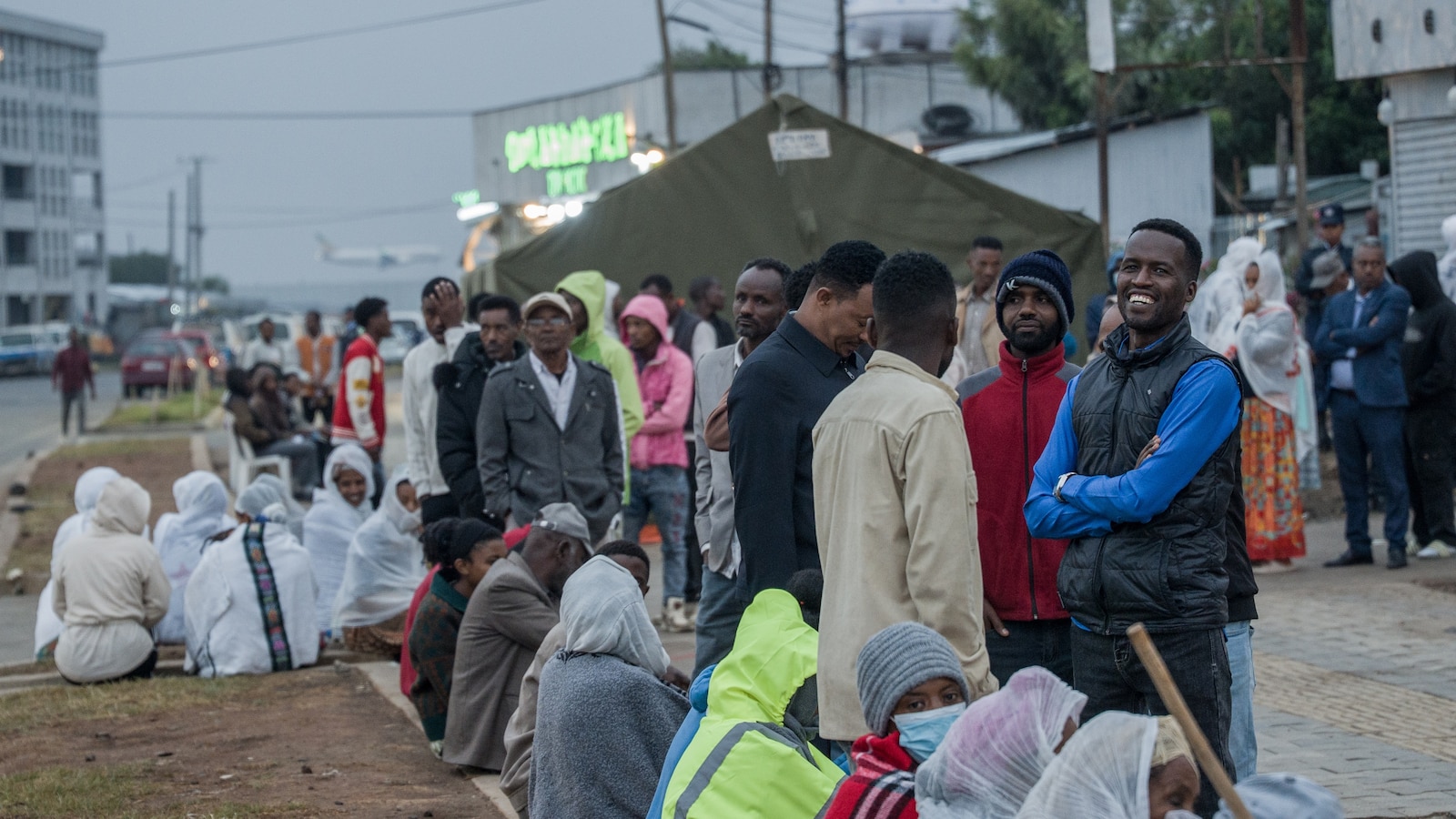
Ethiopia Holds General Election With 50 Million Registered Voters
Polls opened Monday across Ethiopia as voters elect more than 500 House of Representatives members and local council seats. Results are expected the same day.
 Newsweek
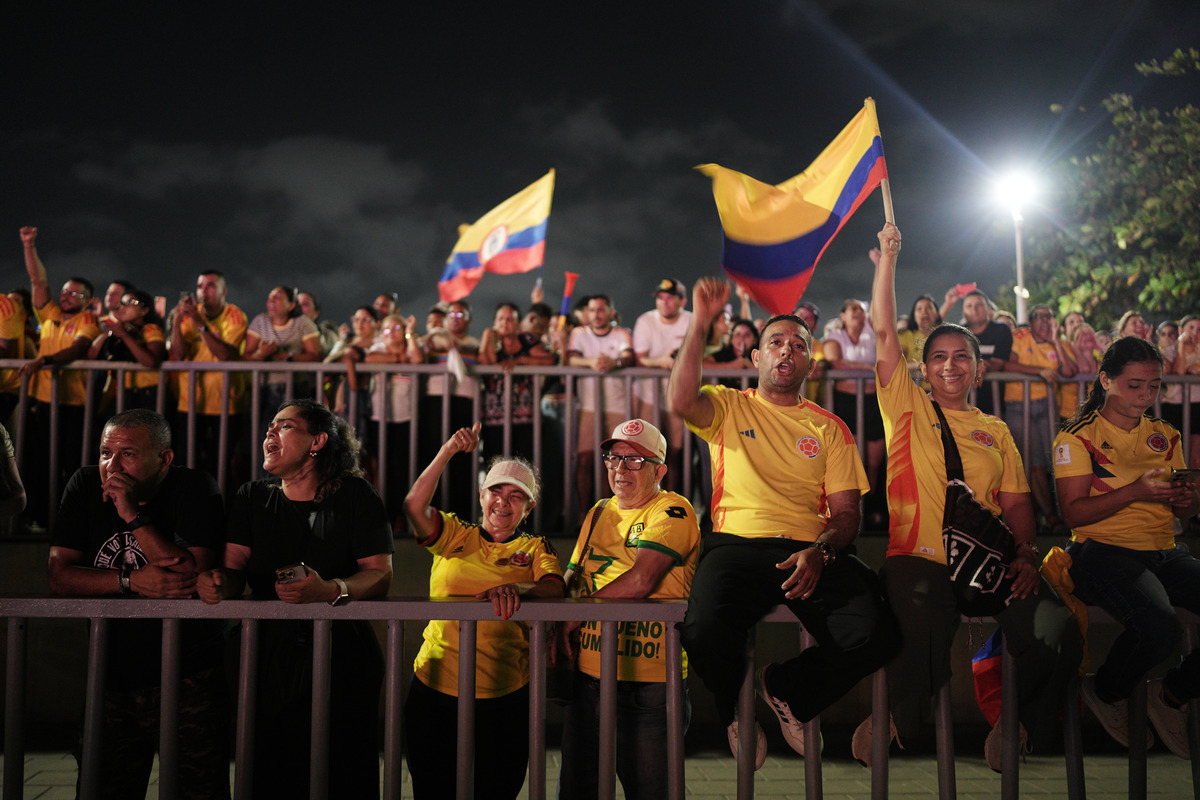
Colombian Candidates Advance to June 21 Presidential Runoff
Abelardo de la Espriella and Iván Cepeda will face each other after neither secured a majority in Sunday's first-round vote. De la Espriella received nearly 44 percent and Cepeda just under 41 percent.