politics
Trump and Iran Extend Ceasefire, Reopen Strait of Hormuz, and Allow Iran to Keep Enriched Uranium
The agreement also lifts the U.S. blockade, permits resumed Iranian oil exports, and provides $300 billion for reconstruction. It includes Lebanon and allows Iran to retain its enriched uranium stockpile.
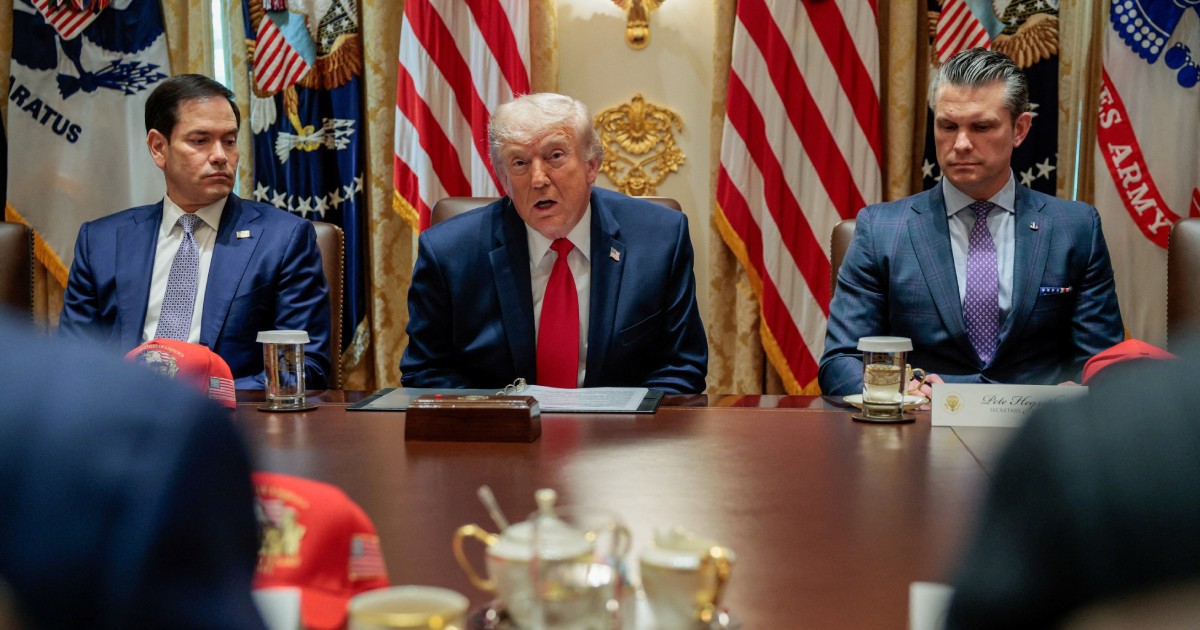 asiaone.com
Audio version
Tap play to generate a narrated version.
Developing·Limited corroboration so far. This page will refresh as more sources emerge.
President Trump and Iranian President Masoud Pezeshkian signed a memorandum of understanding that extends a ceasefire for 60 days, eliminates the U.S. blockade of Iran, reopens the Strait of Hormuz to shipping, and allows Iran to resume oil exports while retaining its enriched uranium.
The pact also promises Iran $300 billion for reconstruction and investment and covers Lebanon, according to an analysis published June 22, 2026, by The Washington Times.
Majid Rafizadeh of the Gatestone Institute stated that the memorandum lacks verifiable actions from Iran. He said Iran must give up its enriched uranium stockpile, dismantle its nuclear program, stop ballistic missile production, and cut off support for terrorist proxies.
“Without ironclad enforcement mechanisms beyond three years, lifting pressure simply funds the same dangerous playbook that has destabilized the region for nearly 50 years,” Rafizadeh said.
The Association of Mature American Citizens separately urged President Trump to continue pressing Venezuela to hold democratic elections and ensure a genuine transfer of power. Secretary of State Marco Rubio outlined a three-phase proposal for Venezuela in January 2026 covering stabilization, economic recovery, and political transition.
Delcy Rodríguez serves as Venezuela’s interim president following the removal of Nicolás Maduro.

