Substrate
finance

Trump Issues Deadline for Strait of Hormuz Opening, Threatens Strikes on Iranian Infrastructure Amid Ongoing War

U.S. President Donald Trump threatened strikes on Iran's power plants and bridges if the Strait of Hormuz is not opened by Tuesday, following a U.S. military rescue operation in Iran. Iran conducted drone attacks on infrastructure in Kuwait, Bahrain, and the United Arab Emirates, causing damage to power, water, and petrochemical facilities.

Fortune
FI
KO
DI
SE
SP
7 sources·Apr 5, 2:19 PM(54 days ago)·3m read
Trump Issues Deadline for Strait of Hormuz Opening, Threatens Strikes on Iranian Infrastructure Amid Ongoing WarFortune
Audio version
Tap play to generate a narrated version.

m. EDT Monday (0100 GMT Tuesday). The strait, a vital waterway for oil, gas, and humanitarian supplies from the Persian Gulf to Europe and Asia, has been disrupted since the war began on February 28. Disruptions have impacted global markets, elevated fuel prices, and prompted oil-importing nations to explore alternative routes.

Post via X — linked by one of this story's sources.

The threats followed a U.S. rescue of two crew members from an F-15E Strike Eagle that crashed in Iranian territory on Friday. Trump described the first airman as seriously wounded and rescued from deep inside Iranian mountains, while the second was extracted in broad daylight hours after the crash.

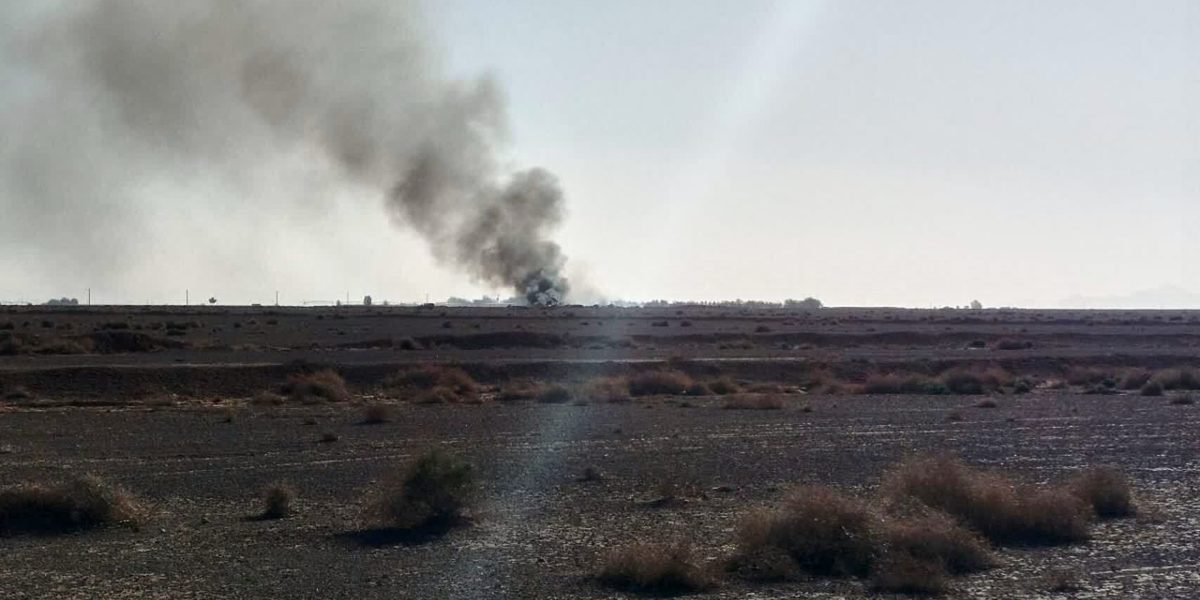
Iran offered a reward for capturing the pilot and claimed to have shot down additional U.S. aircraft, including a transport plane and two helicopters during the rescue, airing video of wreckage and smoke on state television.

A U.S. regional intelligence official, speaking anonymously, stated that the military destroyed two transport planes due to technical malfunctions and deployed additional aircraft to complete the rescue. Iran's military joint command reported destroying four U.S. aircraft and warned of intensified retaliatory strikes on regional oil and civilian infrastructure if the U.S. or Israel targets similar sites in Iran.

The spokesman, quoted by IRNA, said responses would be more forceful against aggression on civilian facilities.

Iran also shot down a U.S. A-10 attack aircraft, with the crew's status and crash location unknown. This marks the first known U.S. aircraft crash in Iran since the war's start, initiated by U.S. and Israeli strikes. Trump posted a video of a missile attack, stating that many of Iran's military leaders were terminated in a massive strike in Tehran.

In retaliation, Iranian drones struck infrastructure in Gulf states. In Kuwait, attacks damaged power plants and a petrochemical plant, and disabled a water desalination station, with no injuries reported, according to the Ministry of Electricity. Bahrain reported a fire at a national oil company storage facility and a state-run petrochemical plant from a drone strike.

In the United Arab Emirates, intercepted debris from attacks caused fires at a petrochemical plant in Ruwais, halting operations.

The strikes occurred a day after Israel targeted a major Iranian petrochemical plant, which Prime Minister Benjamin Netanyahu said funded the war. Petrochemical sectors in Gulf states generate billions in export revenue from oil and gas products like plastics and fertilizers.

Casualties include more than 1,900 deaths in Iran, over two dozen in Gulf Arab states and the occupied West Bank, 19 in Israel, 13 U.S. service members, and more than 1,400 in Lebanon, where over 1 million people have been displaced and 10 Israeli soldiers killed.

Both sides have targeted civilian infrastructure, including oil fields and desalination plants essential for drinking water, prompting warnings of potential war crimes. The war, now over five weeks old, has killed thousands and severed key shipping routes. Trump has previously extended similar deadlines amid mediation claims of progress.

Diplomatic initiatives persist. Oman's Foreign Ministry reported meetings between Iranian and Omani deputy foreign ministers and experts to discuss proposals for smooth transit through the strait. Egypt's Foreign Minister Badr Abdelatty spoke by phone with U.S. envoy Steve Witkoff, Iranian Foreign Minister Abbas Araghchi, and counterparts from Turkey and Pakistan.

Pakistan conveyed support for de-escalation to Araghchi and plans to host U.S.-Iran talks soon.

A proposed compromise involves a cessation of hostilities for diplomatic settlement, according to a regional official and Gulf diplomat speaking anonymously. Iran's Gen. Ali Abdollahi Aliabadi threatened all U.S. military infrastructure in the region in response to Trump's warnings.

Escalation risks include renewed Houthi attacks on vessels in the Bab el-Mandeb Strait, affecting traffic to the Suez Canal.

Trump announced a 1 p.m. ET news conference with the U.S. military from the Oval Office on Monday, three hours after the deadline expires.

Transparency Panel

Sources cross-referenced7
Confidence score98%
Synthesized bySubstrate AI
Word count652 words
PublishedApr 5, 2026, 2:19 PM
Bias signals removed6 across 3 outlets
Signal Breakdown
Loaded 4Editorializing 1Framing 1

Related Stories

SEC Chair Paul Atkins Says Congress Will Pass Crypto Legislationibtimes.com
finance1 hr agoDeveloping

SEC Chair Paul Atkins Says Congress Will Pass Crypto Legislation

SEC Chair Paul Atkins stated he is confident Congress will pass crypto market structure legislation. He added that President Trump will sign the bill into law.

WA
BI
2 sources
Iran Says Strait of Hormuz Management Belongs to Iran and Omanasiaone.com
finance1 hr agoDeveloping

Iran Says Strait of Hormuz Management Belongs to Iran and Oman

Iran's Foreign Ministry spokesperson stated that control of the Strait of Hormuz must be decided solely by Iran and Oman. The spokesperson also said no agreement has been reached with the United States and that current focus remains on ending the war.

DE
LI
ZE
IN
4 sources
Fed Official Highlights Regulatory Barriers to AI Productivity Gainscnbc.com
finance1 hr agoDeveloping

Fed Official Highlights Regulatory Barriers to AI Productivity Gains

A Federal Reserve official stated that productivity growth remains key to economic expansion and that regulatory hurdles are the main obstacle to sustained gains from artificial intelligence.

FI
FI
2 sources