Unbiased AI-powered news
President Donald Trump signed an executive order on May 1 targeting individuals and entities supporting Cuba's government, security apparatus, or involved in corruption and human rights violations. The order also authorizes secondary sanctions on those transacting with the targeted parties. Details on specific names remain unclear amid escalating U.S. pressure on the island nation.
WASHINGTON — President Donald Trump signed an executive order on May 1 imposing new sanctions on individuals and entities that support Cuba's government and security apparatus and are complicit in government corruption or serious human rights violations.
The order also targets people, banks, and organizations that have made transactions with those sanctioned under it. Names of the individuals and entities hit with the sanctions were not immediately clear.
The executive order accuses Cuba of aligning itself with countries and actors hostile to the United States, including hosting foreign adversary facilities focused on targeting and exploiting sensitive national security information from the United States.
It states that Cuba has maintained close ties with major state sponsors of terrorism, singling out Iran, and has provided safe haven for terrorist groups such as Hezbollah.
Official told Reuters that Cuba provides a permissive environment for hostile foreign intelligence, military, and terrorist operations less than 100 miles from the United States. The order further states that the Cuban government persecutes and tortures political opponents, denies citizens free speech, and actively spreads communist ideology across the region while repressing its populace.
Two White House officials told Reuters about the executive order, which authorizes secondary sanctions for conducting or facilitating transactions with those targeted.
The new sanctions include government agents, officials, or supporters. Trump has repeatedly hinted at further action against Cuba. On April 13, he stated that the United States might stop by Cuba after the ongoing conflict with Iran is finished.
U.S. measures against Cuba, which faces heavy sanctions and a longstanding embargo requiring the communist government to make sweeping political and economic changes, including the release of political prisoners, before the island can legally do business with American companies.
U.S. demands before circumstances irreversibly worsened. The Pentagon was asked to draw up contingency plans in case President Trump decides to launch a military operation in Cuba.
U.S. actions in Venezuela.
U.S. forces launched strikes on boats off Venezuela and went into Caracas to seize Maduro.
President Trump threatened to slap punishing tariffs on any other country that sent crude to Cuba after halting Venezuelan oil exports. Mexico stopped shipments of crude to Cuba following the threat. The fuel shortage in Cuba contributed to three major national-level blackouts and prompted many foreign airlines to suspend flights to the island.
The United States, with Israel, waged war on Iran since February 28. Reuters first reported the Friday executive order on Cuba sanctions. In a separate action, President Donald Trump signed an executive order on April 30, 2026, to create a new way to save for retirement for workers without access to a 401(k) or another workplace plan.
Gov, a federal portal connecting workers to private-sector retirement accounts. Roughly 56 million Americans lack access to an employer-sponsored retirement plan at work, according to 2025 research from the Pew Charitable Trusts. gov could research, compare, and enroll in private-sector individual retirement accounts and, if eligible, collect a matching contribution from the federal government.
At a White House press conference, President Trump said users of the new accounts will be able to access the same type of retirement accounts that federal employees enjoy through the Thrift Savings Plans as part of the federal Saver's Match program.
Low-income Americans will be eligible to receive up to $1,000 per year in matching funds deposited directly into their accounts. 0, which provides matching contributions of up to $1,000 for lower-income Americans saving for retirement.
Starting in tax year 2027, single taxpayers with a modified adjusted gross income of up to $20,500 or joint filers making up to $41,000 qualify for a government match worth 50% of up to a $2,000 contribution to a qualified retirement account, for a maximum match of $1,000 a year.
Single filers with annual incomes between $20,500 and $35,500 qualify for reduced matching contributions, as do joint filers making up to $71,000. 6 million full-time American workers do not participate in a retirement plan, according to White House figures.
8 million American workers do not benefit from an employer match, according to White House figures. The Retirement Savings for Americans Act was reintroduced to Congress this week; it was first introduced in 2022. The Automatic IRA Act was reintroduced in December and was first introduced by Rep.
) about two decades ago. 35 trillion in projected retirement wealth over 10 years, after modeling proposed provisions such as expanding access to matching contributions, auto-enrollment, and boosting the value of the match.
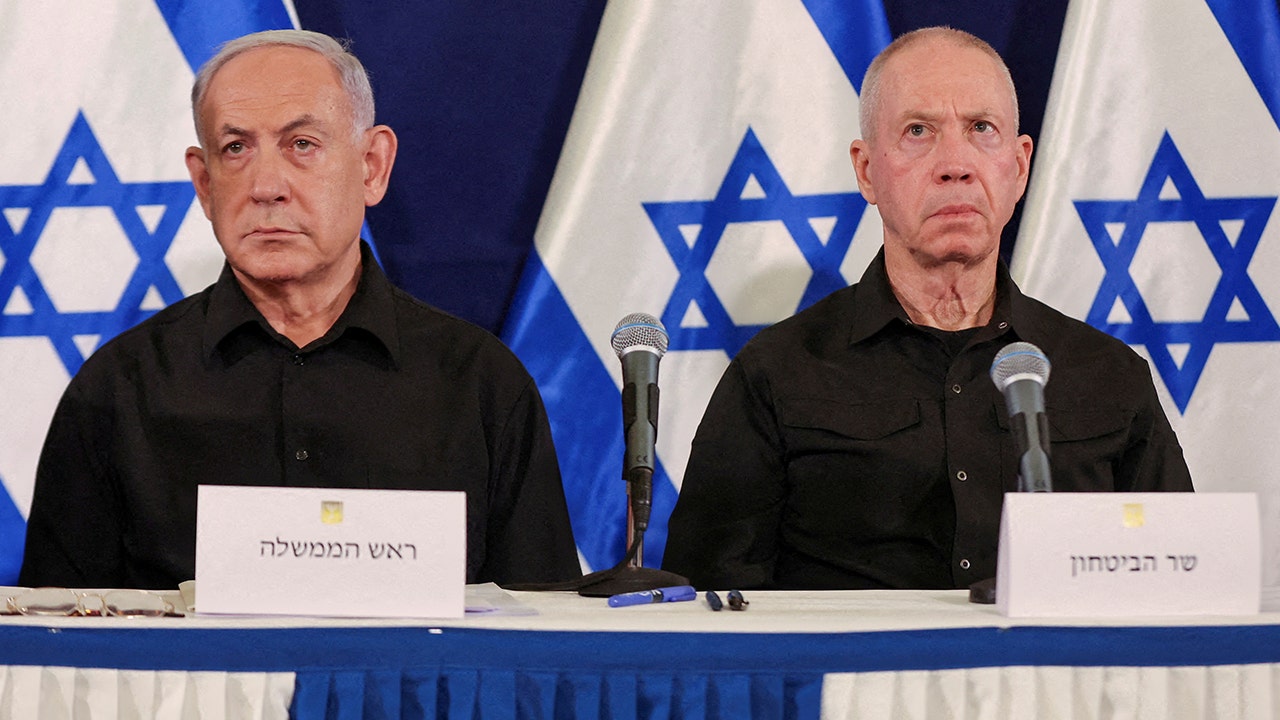
foxnews.comIsraeli Prime Minister Benjamin Netanyahu told a Jerusalem policy summit that two named operations destroyed Iran's nuclear infrastructure and killed 20 scientists. He also described strikes on missile and regime targets plus new security zones in Gaza, Syria and Lebanon.
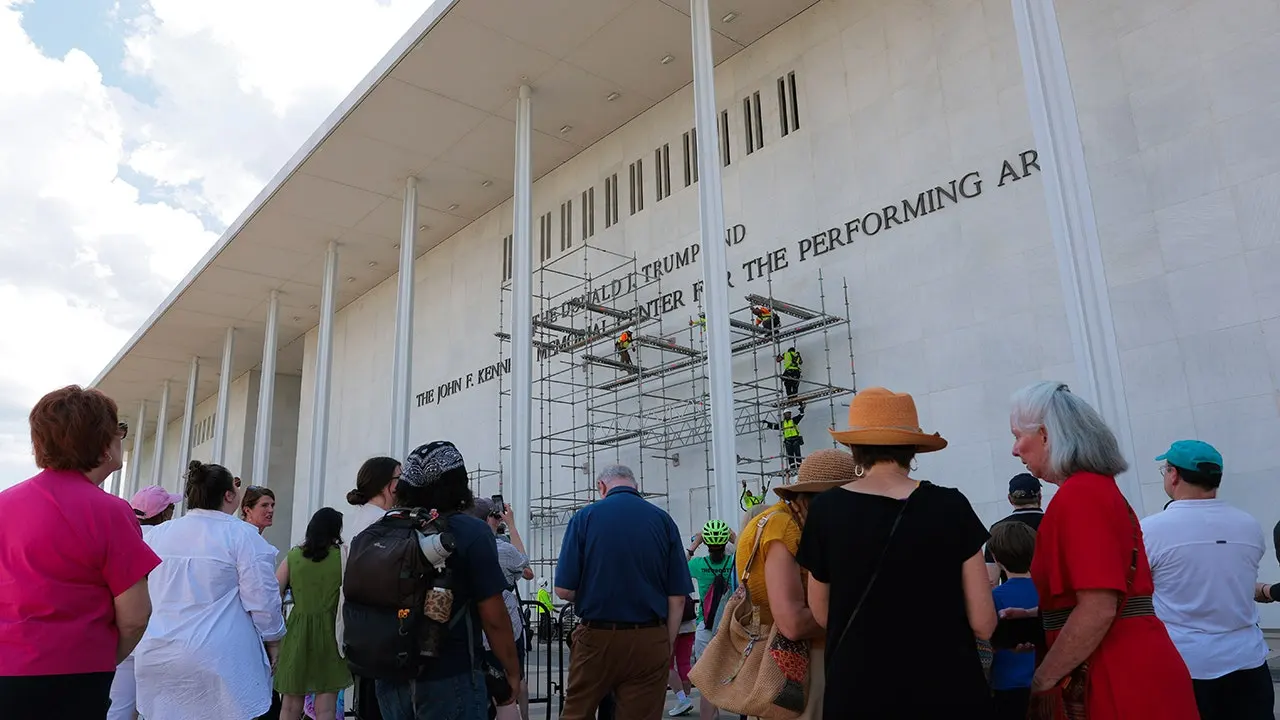
foxnews.comA federal judge barred the Kennedy Center from shutting for two years of renovations and required removal of President Trump's name from the building. The board will vote in mid-July on three renovation options.
ForbesDavid Hearn, 67, faces charges of destroying government property after touching a strip of blue coating. President Trump said the pool would be drained again and that multiple arrests had occurred.