Trump's Fed Chair Nominee Opposes Rate Cuts
President Trump's choice for Federal Reserve chair is expected to encounter obstacles in lowering interest rates due to rising inflation and committee dynamics. The nominee pledged independence during a recent Senate hearing but provided limited details on rate direction. Economic factors like recent oil price increases complicate potential policy shifts.
 Fortune
President Donald Trump has indicated expectations for his nominee to the Federal Reserve chair position to reduce interest rates upon taking office. However, several factors may hinder immediate rate cuts, including elevated inflation driven by rising gas prices.
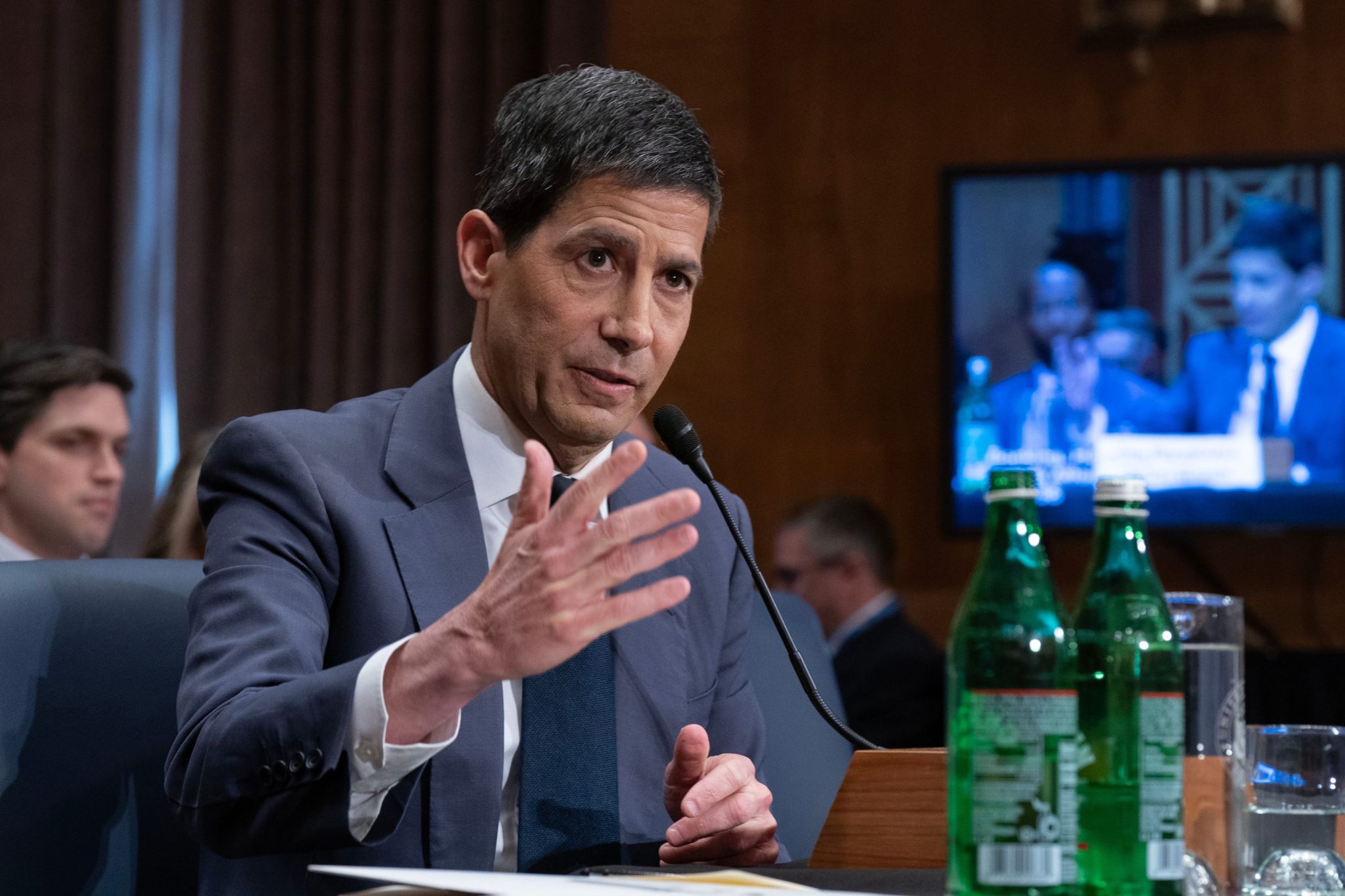
The nominee, a former member of the Fed's governing board from 2006 to 2011, has faced questions about political independence. At a Senate hearing on Tuesday, the nominee committed to maintaining independence from White House influence but offered minimal insight into potential rate policies.
Economists noted that this approach might reflect caution rather than a definitive stance. The nominee acknowledged a short window to address inflation, which some interpreted as leaning toward maintaining or increasing rates.
Inflation Trends Inflation reached a two-year high of 3.3% in March, exceeding the Fed's 2% target, largely due to oil and gas price surges following the start of the Iran war on February 28. The Fed's short-term rate stands at approximately 3.6%, typically held high to counter inflation.
Recent signs of job market stabilization, with unemployment at 4.3%, may reduce the urgency for rate reductions. A Fed governor expressed concerns last week that persistent inflation could necessitate holding rates steady. Treasury Secretary Scott Bessent stated that waiting for clarity before cutting rates is understandable, potentially allowing the new chair to maintain current levels initially.
Wall Street futures indicate low probability of a rate cut until October 2027.
The nominee will be one of 12 voters on the Fed's rate-setting committee, which convenes eight times annually. Most members have signaled reluctance to lower rates amid high inflation, as evidenced by an 11-1 vote to keep rates unchanged in March. Minutes from that meeting show some members considering rate hikes instead.
Former Fed officials note that chairs typically gain committee support over time, but rapid shifts are rare without established influence.
The economy has shown volatility over the past year, alternating between strength and weakness. The nominee previously argued for rate cuts, citing potential efficiency gains from artificial intelligence, but tempered this view during the hearing by noting uncertainty.
Economists described the nominee's positions as lacking clarity, potentially complicating efforts to build consensus for policy changes.