Substrate
politics

Trump Sets Conditions for New Iran Nuclear Agreement

President Donald Trump stated on May 27 that the United States will lift its naval blockade of Iranian ports if Tehran agrees to a nuclear deal. The announcement came after U.S. and Israeli strikes in 2025 and 2026 damaged Iranian nuclear facilities.

FDD
1 source·May 29, 5:48 PM(37 min ago)·1m read
Trump Sets Conditions for New Iran Nuclear Agreementindiatoday.intoday.in
Audio version
Tap play to generate a narrated version.

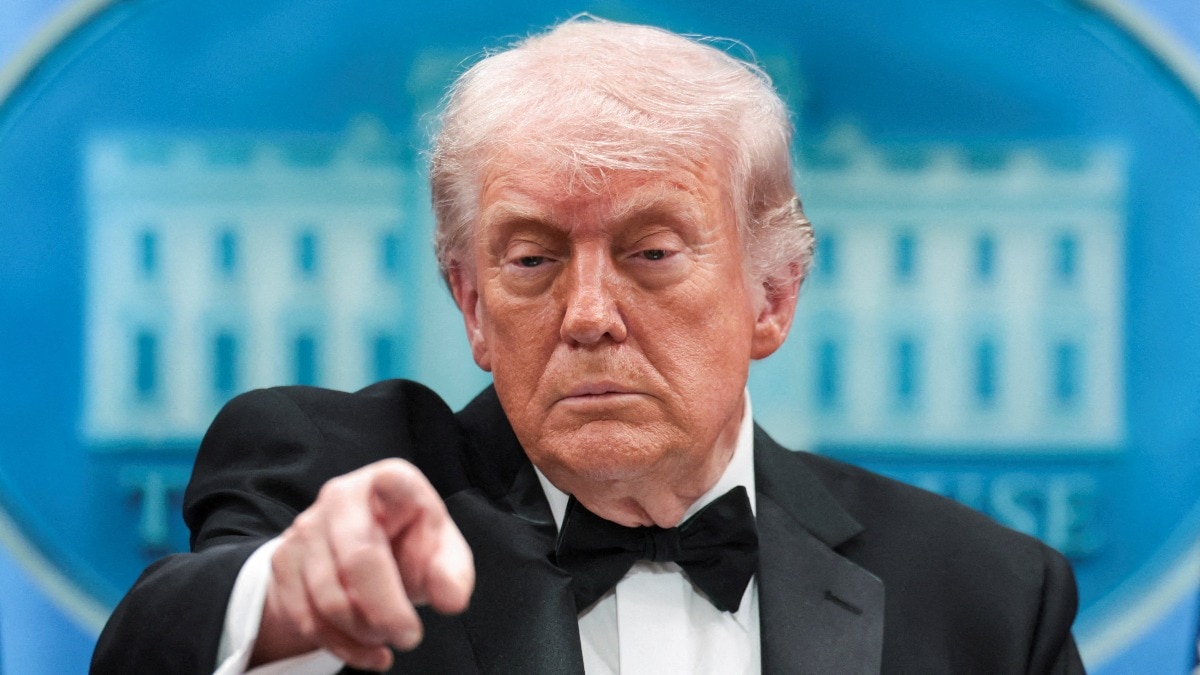
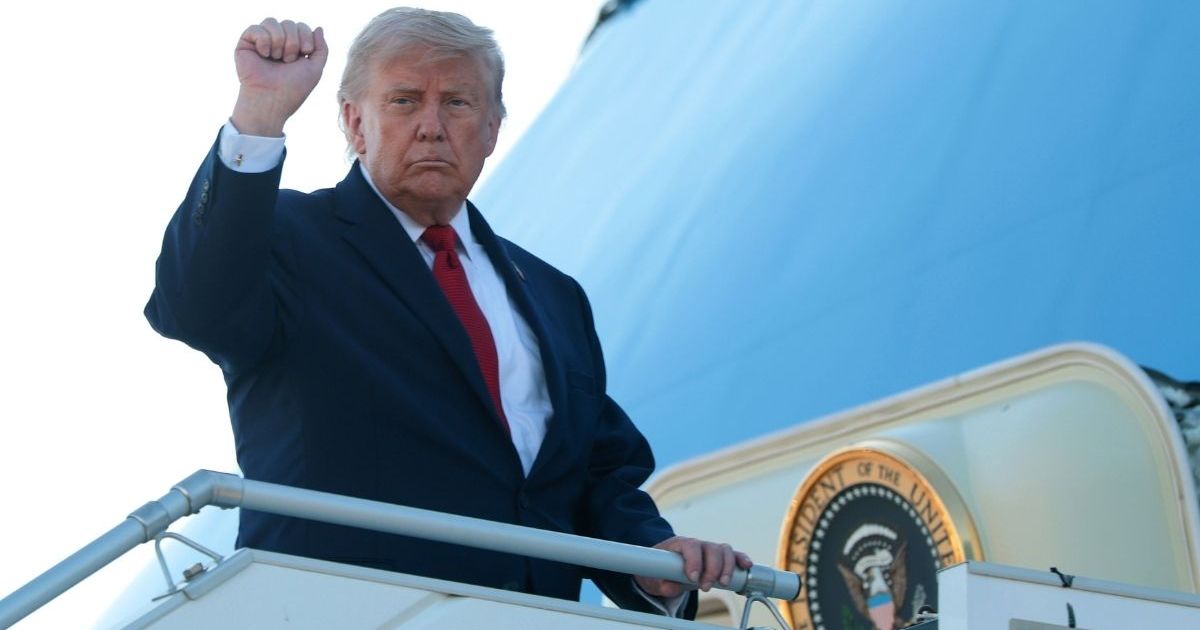
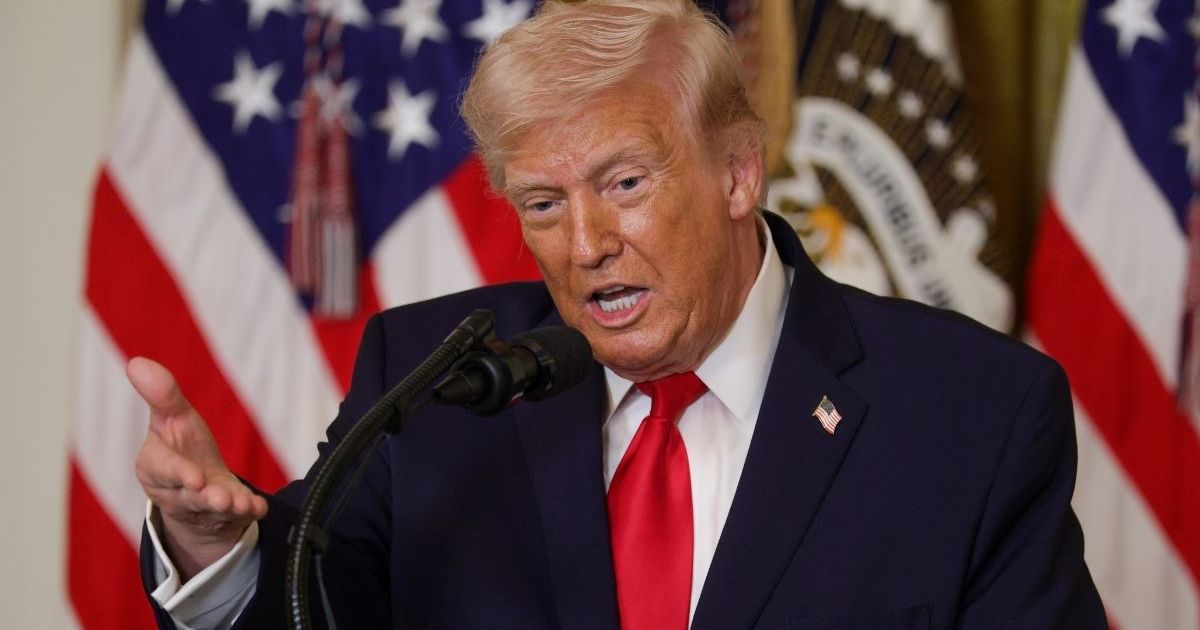
President Donald Trump pledged on May 27 that the United States will resolve the conflict with Iran peacefully and lift its naval blockade of Iranian ports if Tehran agrees to a nuclear agreement. He said the United States will otherwise finish the job militarily. S.

and Israeli strikes in 2025 and 2026 extended Iran's estimated breakout time to build a crude nuclear device from roughly six months to as much as two-and-a-half years. The naval blockade has cost the regime an estimated $435 million per day.

Any agreement must include full and continuous supervision by the International Atomic Energy Agency. It must be implemented while Trump is in office and require Iran to meet six provisions. Iran must support full recovery of more than 9,000 kilograms of enriched uranium hexafluoride, including 440 kilograms of highly enriched uranium.

The material is currently at the damaged Esfahan, Natanz, and Fordow sites. Iran must accept destruction of its enriched uranium stocks or limit their use to legitimate civilian needs. The preferred option is supervised destruction inside Iran paired with a commitment to supply commercially available fuel rods.

Iran must accept a permanent ban on uranium enrichment and plutonium reprocessing. It must also accept full dismantlement, export, or in-place destruction of its uranium production and enrichment infrastructure, including centrifuges and manufacturing capabilities.
Key Facts

Naval blockade cost
$435 million per day to Iran
Enriched uranium stock
Over 9,000 kilograms including 440 kg HEU
Breakout time estimate
Extended to as much as two-and-a-half years

Story Timeline

2 events
  1. May 27, 2026

    Trump pledged to lift the naval blockade if Iran agrees to a nuclear deal.

    1 sourceFDD
  2. 2025-2026

    U.S. and Israeli strikes damaged Iranian nuclear facilities.

    1 sourceFDD

Potential Impact

  1. 01

    Iran could face continued economic pressure if no agreement is reached.

  2. 02

    The IAEA would need additional equipment and personnel to recover uranium stocks.

Transparency Panel

Sources cross-referenced1
Confidence score65%
Synthesized bySubstrate AI
Word count223 words
PublishedMay 29, 2026, 5:48 PM
Bias signals removed2 across 1 outlet
Signal Breakdown
Loaded 1Amplifying 1

Related Stories

Trump Meets Advisers to Decide on Iran Ceasefire ExtensionBBC News
politics37 min ago

Trump Meets Advisers to Decide on Iran Ceasefire Extension

President Trump said he is holding a Situation Room meeting to make a final decision on a possible deal with Iran. The proposed agreement would extend the ceasefire by 60 days and reopen the Strait of Hormuz.

Al Jazeera
JA
MA
AF
AJ
+6
11 sources
Trump to Decide on Iran Deal in Situation Room Meetingmiddleeasteye.net
politics37 min ago

Trump to Decide on Iran Deal in Situation Room Meeting

President Trump said Friday he is heading into the Situation Room to make a final determination on a potential agreement with Iran. The proposed deal would reopen the Strait of Hormuz without tolls and require destruction of Iran's highly-enriched uranium.

LI
Just the News
CBS News
3 sources
Trump Says U.S. Will Lift Iran Naval Blockade After Nuclear and Hormuz Pledgesrealitytea.com
politics2 hrs agoDeveloping

Trump Says U.S. Will Lift Iran Naval Blockade After Nuclear and Hormuz Pledges

President Trump stated the U.S. will end its naval blockade of Iran once Tehran commits to forgoing nuclear weapons and opens the Strait of Hormuz to unrestricted shipping. The announcement came via Truth Social and a live statement.

FI
LI
MA
3 sources