Substrate
politics

Trump Signs Bill Ending 76-Day DHS Shutdown

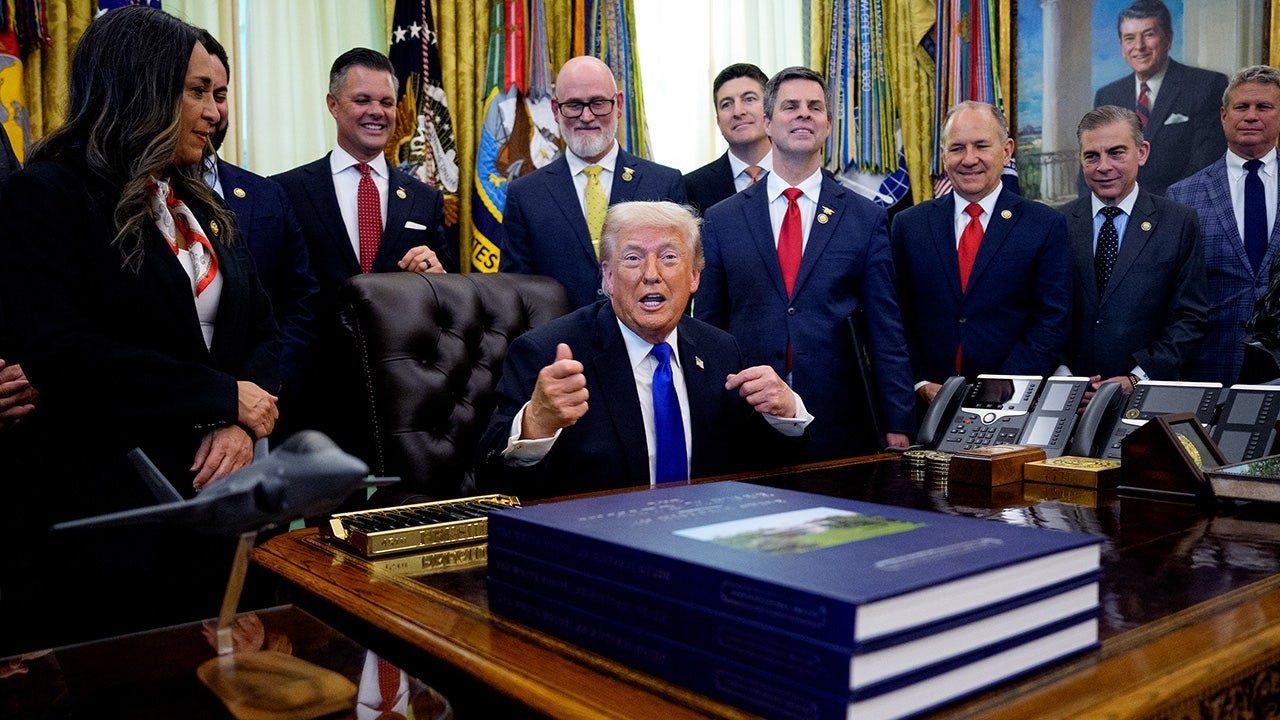
President Trump signed legislation to restore funding to most of the Department of Homeland Security, ending a 76-day partial shutdown that disrupted airport security and other operations. The bill excludes funding for Immigration and Customs Enforcement and parts of Customs and Border Protection, which remain operational through separate funds.
The Washington Times
Fox News
BBC News
Politico
NPR
5 sources·Apr 30, 11:51 PM(4 days ago)·2m read
Trump Signs Bill Ending 76-Day DHS ShutdownThe White House from Washington, DC / Wikimedia (Public domain)
Audio version
Tap play to generate a narrated version.

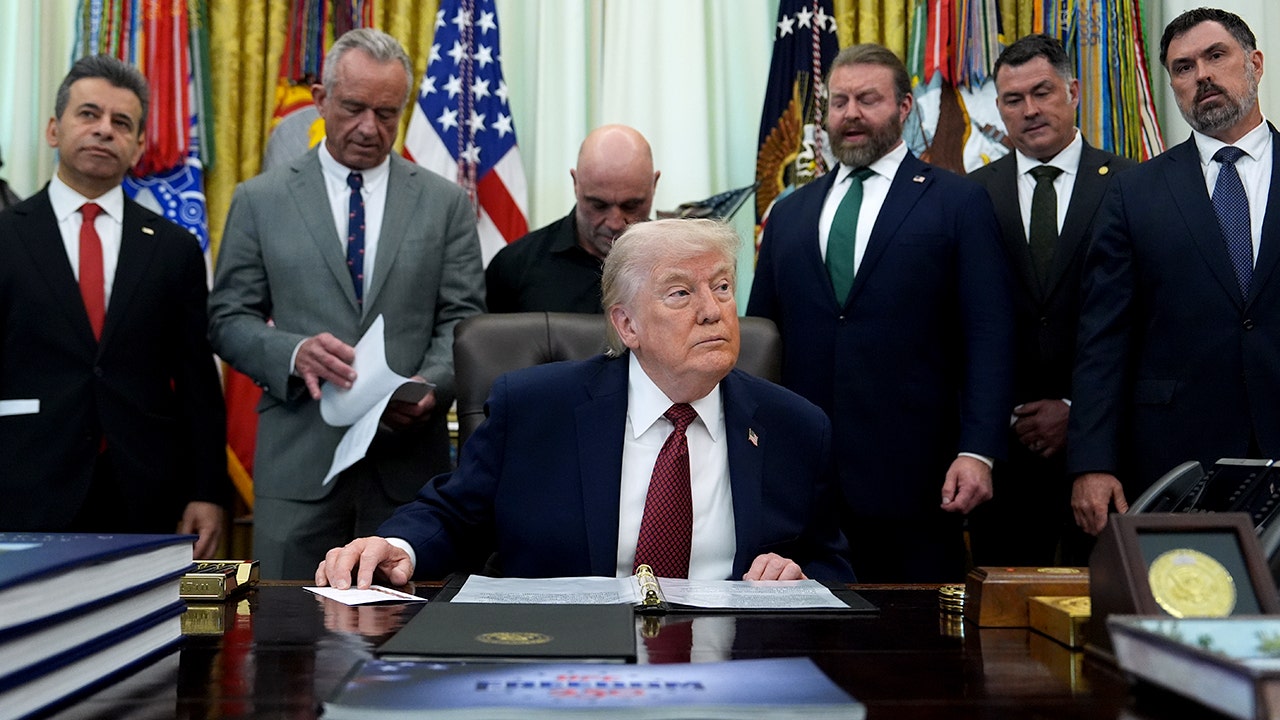
President Trump signed a bill on April 30, 2026, to fund most of the Department of Homeland Security, ending a 76-day partial shutdown, the longest funding lapse in U.S. history. The House of Representatives passed the measure by voice vote earlier that day, following Senate approval nearly a month prior.

The legislation covers agencies such as the Transportation Security Administration, the Cybersecurity and Infrastructure Security Agency, and the Federal Emergency Management Agency, which had ceased nonessential operations during the shutdown.

The bill does not provide annual appropriations for U.S. Immigration and Customs Enforcement or the border security functions of Customs and Border Protection. These agencies have continued operations using a separate funding stream, including $170 billion approved by Congress as part of a tax cuts bill last year.

Midway through the shutdown, President Trump issued an executive order to restart paychecks for essential employees who had been working without compensation. The administration had warned that emergency payroll funds would be exhausted by the end of April, potentially leaving employees unpaid starting in May.

The shutdown began on February 14, 2026, amid a political feud over funding for immigration enforcement. Senate Democrats filibustered a full department funding bill passed by the House in January, demanding reforms to immigration agencies after federal agents killed two U.S. citizens during protests against deportation sweeps in Minneapolis.

Republicans accused Democrats of aiming to defund the agencies entirely and rejected the proposed changes. Bipartisan negotiations on policy reforms failed, leading Republicans to pursue a two-step funding approach.

The Senate passed the partial funding bill in March, but the House delayed action until Republicans could advance separate funding for the immigration agencies. House Republicans initially amended the bill with a short-term stopgap, but the Senate rejected it, prompting further delays.

We were not going to have lines at TSA. Everybody gets their paychecks now and will get them moving forward." — House Speaker Mike Johnson, April 30, 2026 (The Washington Times). Republicans plan to use the filibuster-proof reconciliation process to provide three years of funding for Immigration and Customs Enforcement and Customs and Border Protection without Democratic reforms. The House speaker stated that Republicans will soon "finish the work" on this separate measure. The shutdown caused chaos at airports, with long wait times due to unpaid security officers. Essential workers, including those in presidential security and the Coast Guard, continued duties without guaranteed pay until the executive order provided relief. Democrats described the shutdown as unnecessarily prolonged by House Republicans, noting that the approved bill was the same one the Senate passed unanimously five weeks earlier. The top Democrat on government funding in the Senate highlighted this point.

With over 200,000 personnel, the Department of Homeland Security is one of the largest executive branch agencies. The funding lapse disrupted air travel and national security operations not directly tied to immigration enforcement. The resolution came amid intensified calls for action following a shooting at the White House Correspondents' Association dinner on April 25, 2026, where a man allegedly attempted to assassinate President Trump.

The administration had emphasized that without funding, critical operations could be jeopardized starting in May.

Key Facts

76 days
length of DHS partial shutdown
Apr 30, 2026
date Trump signed bill ending shutdown
ICE and CBP
excluded from new funding, use separate stream
$170 billion
separate funding for immigration via tax cuts bill
Two U.S. citizens
killed by agents in Minneapolis protests

Story Timeline

5 events
  1. Apr 30, 2026

    President Trump signed a bill funding most of DHS, ending the 76-day shutdown after House passage by voice vote.

    3 sourcesThe Washington Times · Fox News · BBC News
  2. Mar 2026

    Senate passed the partial DHS funding bill unanimously, but House delayed action.

    3 sourcesThe Washington Times · Fox News · BBC News
  3. Mid-shutdown

    President Trump issued an executive order to restart paychecks for essential DHS employees.

    2 sourcesFox News · BBC News
  4. Jan 2026

    House passed a full DHS funding bill, which Senate Democrats filibustered.

    1 sourceThe Washington Times
  5. Feb 14, 2026

    DHS funding lapsed, beginning the partial shutdown over immigration enforcement disputes.

    3 sourcesThe Washington Times · Fox News · BBC News

Potential Impact

  1. 01

    Airport security operations will resume full capacity without disruptions.

  2. 02

    National security agencies like FEMA will restart nonessential operations.

  3. 03

    Republicans will advance separate funding for ICE and CBP via reconciliation.

  4. 04

    Democrats may push for immigration reforms in future negotiations.

  5. 05

    Essential DHS employees will receive back pay from emergency funds.

Transparency Panel

Sources cross-referenced5
Framing risk42/100 (moderate)
Confidence score85%
Synthesized bySubstrate AI
Word count540 words
PublishedApr 30, 2026, 11:51 PM
Bias signals removed6 across 3 outlets
Signal Breakdown
Loaded 2Diminishing 1Amplifying 1Framing 1Editorializing 1

Related Stories

Spirit Airlines Shuts Down After Failing to Secure $500 Million Federal BailoutThe Free Press
politics1 hr ago

Spirit Airlines Shuts Down After Failing to Secure $500 Million Federal Bailout

Spirit Airlines announced an abrupt shutdown over the weekend, citing surging jet fuel costs from the ongoing war in Iran as the final blow after years of financial struggles. Talks for a $500 million bailout from the Trump administration collapsed, leading to immediate cancellat…

BBC News
The Free Press
RealClearPolitics
NPR
4 sources
Russia Launches Drone and Missile Attacks Despite Ukraine's Unilateral CeasefireFrance 24
politics1 hr ago

Russia Launches Drone and Missile Attacks Despite Ukraine's Unilateral Ceasefire

Russia fired over 100 drones and missiles at Ukraine overnight, killing at least 28 civilians and injuring dozens, hours after Kyiv's unilateral ceasefire began at midnight. Ukrainian officials condemned the strikes as evidence of Moscow's insincerity ahead of Russia's planned pa…

The Guardian
Abc News
BBC News
France 24
NPR
5 sources
Supreme Court Temporarily Restores Mifepristone Access in Louisiana CaseDasfour2022 / Wikimedia (CC BY-SA 4.0)
politics1 hr agoFraming55Framing risk55/100Rewrite exhibits lede misdirection by foregrounding the Supreme Court's procedural stay over the substantive mifepristone access issue, with notable political slant toward Republican challenges.Click to jump to full framing analysis

Supreme Court Temporarily Restores Mifepristone Access in Louisiana Case

The Supreme Court issued an emergency stay restoring nationwide mail and pharmacy access to the abortion pill mifepristone, following a Fifth Circuit ruling that restricted it. The case, brought by Louisiana, centers on standing issues and could force the Trump administration to…

Newsweek
The Guardian
dailykos.com
cbsnews.com
4 sources