politics
Trump Suggests Iranians Would Resist if Armed
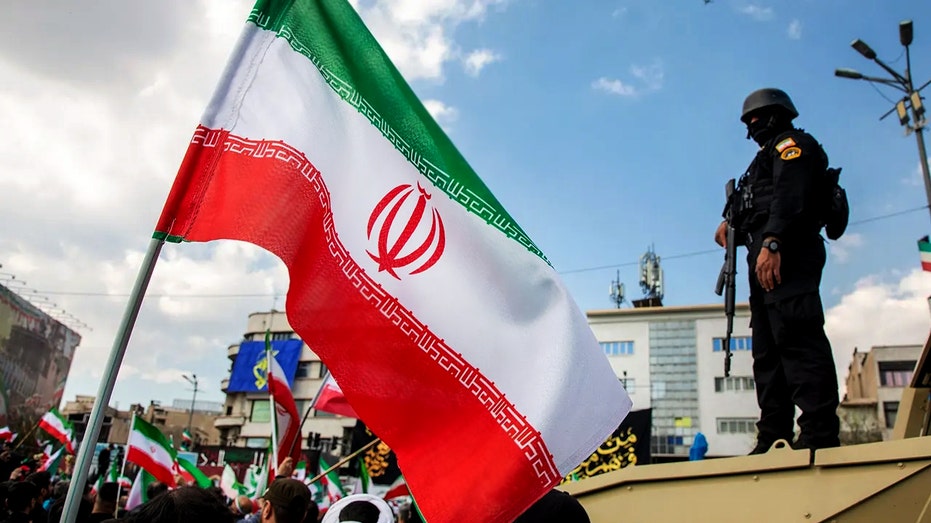
President Trump said this week that Iranians would fight back against the government if they had weapons. The remarks have prompted discussion among Iranian dissidents, some Republican lawmakers and analysts about whether the United States should support armed resistance inside Iran. The comments come as Iran recovers from recent conflict and faces continued domestic unrest.
 Fox News
Audio version
Tap play to generate a narrated version.
Developing·Limited corroboration so far. This page will refresh as more sources emerge.
President Trump said in a radio interview this week that Iranians "would fight back" if they had weapons amid anti-government unrest and the government's response to protests. "They have to have guns. And I think they’re getting some guns. " The remarks have prompted Iranian dissidents, military analysts and some Republican lawmakers to discuss whether the United States should move beyond sanctions and support armed resistance networks inside Iran.
Fox News reported that the conversation revives elements of the Reagan Doctrine, the Cold War policy under which the U.S. backed anti-Soviet resistance movements in several countries.
Supporters of the approach argue that sanctions, diplomacy and unarmed protests have not produced significant change. They say the period following recent conflict with Iran may offer an opportunity to back groups inside the country. Brett Velicovich, founder of Powerus and a former U.S. military and intelligence specialist focused on drone warfare, told Fox News Digital that Iranians should receive tools to act.
"We need to give Iranians the tools now, and they’ll finish the job themselves," he said. Velicovich described the idea as "Reagan Doctrine 2.0" and pointed to the potential use of small arms, cheap FPV drones and loitering munitions against government forces.
"Drones democratize power," Velicovich said. Sardar Pashaei, director of the Hiwa Foundation and a former Iranian wrestling champion now living in the United States, told Fox News Digital that caution is needed. "I think we must be extremely cautious on this issue, especially publicly, because the regime can use it as a pretext to arrest protesters, fabricate cases and even justify executions," Pashaei said.