Substrate
politics

Trump and Xi Meet in Beijing, Issue Statements on Iran and Taiwan

Presidents Donald Trump and Xi Jinping concluded two hours of talks in Beijing on Thursday, announcing progress toward stabilizing bilateral ties while acknowledging sharp differences over Taiwan, Iran and other issues. Xi warned that Taiwan remains the most important and sensitive matter in U.S.-China relations and could lead to clashes. Trump said Xi pledged not to send weapons to Iran.

Associated Press
The Guardian
3 sources·May 14, 5:37 PM(14 days ago)·2m read
Trump and Xi Meet in Beijing, Issue Statements on Iran and TaiwanSubstrate placeholder — needs review
Audio version
Tap play to generate a narrated version.
Developing·Limited corroboration so far. This page will refresh as more sources emerge.

Presidents Donald Trump and Xi Jinping concluded two-hour talks in Beijing on Thursday, stating that the meeting produced progress in stabilizing relations between the world's two largest economies even as major differences remained unresolved. Xi told Trump that Taiwan was "the most important issue in China-US relations" and warned of potential "clashes and even conflicts" if the matter is mishandled, according to a statement released by China's foreign ministry after the meeting.

The Chinese leader described Taiwan as a core interest that must be handled with care. Trump said Xi pledged "strongly" that China would not send weapons to Iran amid ongoing tensions in the Middle East. The U.S. president told reporters the overall relationship with China would be "better than ever" once outstanding issues are addressed.

The summit took place against a backdrop of persistent friction on trade, technology and regional security. Both sides described the discussions as candid and constructive but offered few concrete outcomes or joint agreements.

Xi's explicit warning on Taiwan underscored the depth of disagreement between the two governments. The Chinese president reiterated Beijing's longstanding position that the island is part of China and that external interference risks serious consequences.

Trump has not yet decided whether to proceed with a planned arms package for Taiwan, according to statements issued by the White House on Friday. U.S. officials have continued security cooperation with Taiwan despite Chinese objections. The two leaders also touched on Iran's nuclear program and regional influence.
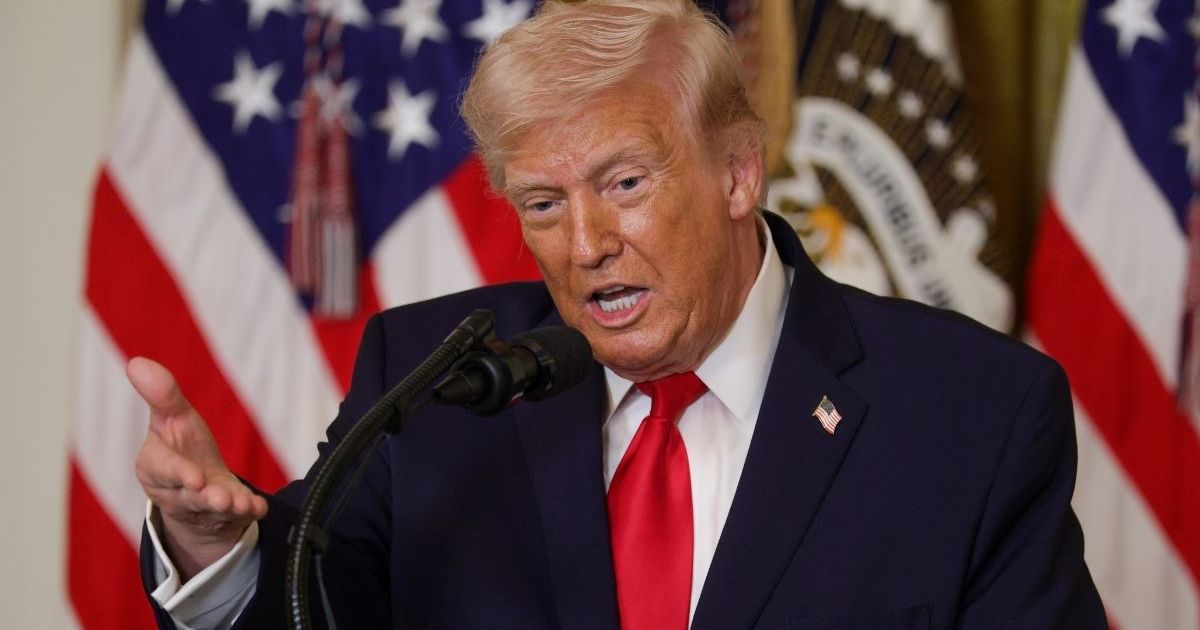
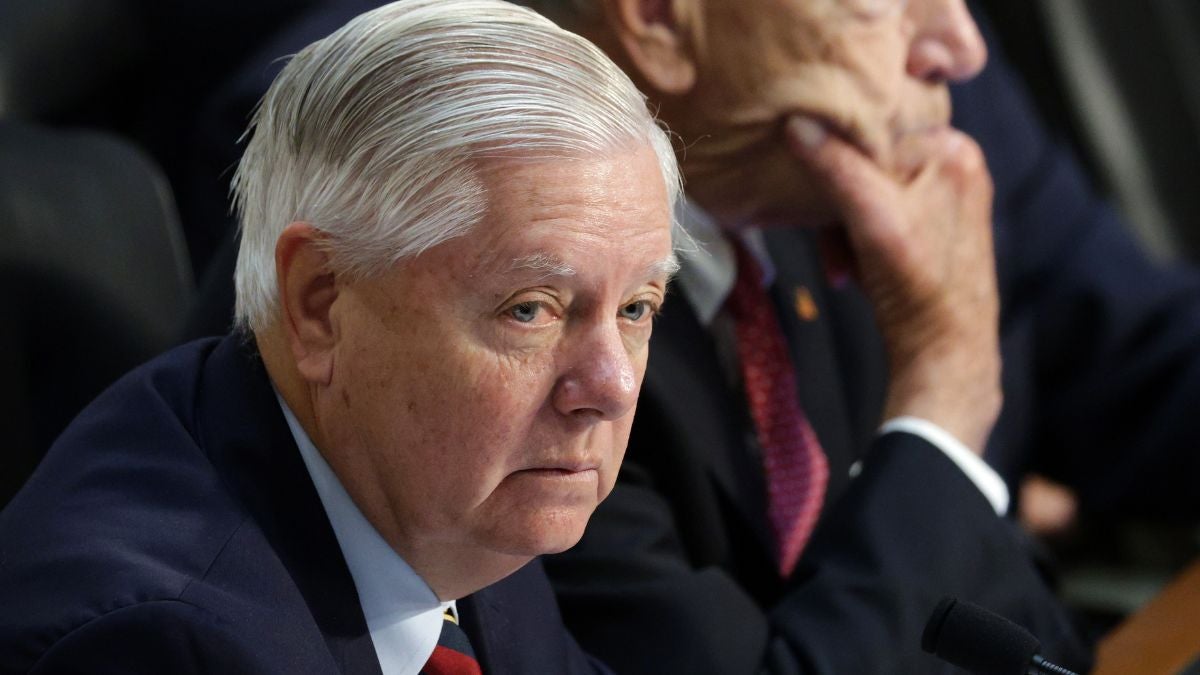
Trump pressed for Beijing to exert greater pressure on Tehran to curb its support for proxy groups and limit any military assistance.

Discussions included economic issues that have strained ties for years. Both sides reported incremental steps toward managing tensions but stopped short of announcing new trade deals or tariff reductions. The meeting occurred as the Trump administration continues to review broader policy toward China, including potential restrictions on technology transfers and investment screening.

Chinese officials emphasized the need for mutual respect and win-win cooperation. U.S. forces reported intercepting Iranian attacks on commercial shipping while China has maintained economic ties with Iran. Trump administration officials have sought Chinese cooperation on containing Iran's regional activities while Beijing has resisted measures that could harm its own energy imports.

The two sides agreed to keep communication channels open on these matters. Analysts following the talks noted that both leaders appeared focused on preventing outright confrontation while protecting core national interests. No new working groups or follow-up mechanisms were announced publicly.

The encounter marks the first in-person meeting between Trump and Xi since the U.S. president's return to office in January 2025. Both governments described the dialogue as necessary for managing competition between the two powers.

Key Facts

Two-hour meeting
Trump and Xi met in Beijing on May 15, 2026
Taiwan
Xi warned of clashes and conflicts over the issue
Iran weapons
Xi pledged China would not send arms to Iran
Stabilizing ties
Both sides claimed progress despite differences

Story Timeline

6 events
  1. May 15, 10:02 AM ET

    1 new source added: The Guardian

    1 sourceThe Guardian
  2. May 15, 2026

    Trump and Xi conclude two-hour meeting in Beijing.

    2 sourcesAP · The Guardian
  3. May 15, 2026

    China's foreign ministry releases Xi's warning on Taiwan clashes.

    1 sourceThe Guardian
  4. May 15, 2026

    Trump states Xi pledged not to send weapons to Iran.

    2 sourcesAP · The Guardian
  5. May 15, 2026

    Trump tells reporters US-China relationship will be 'better than ever'.

    1 sourceAP
  6. May 15, 2026

    White House says Trump has not decided on Taiwan arms package.

    1 sourceAP

Potential Impact

  1. 01

    No new trade agreements emerged from the summit.

  2. 02

    Risk of escalation over Taiwan remains a central bilateral concern.

  3. 03

    Beijing and Washington will maintain dialogue on Iran policy.

  4. 04

    Both governments signaled willingness to manage rather than resolve core disputes.

  5. 05

    Continued uncertainty over future U.S. arms sales to Taiwan.

Transparency Panel

Sources cross-referenced3
Framing risk55/100 (moderate)
Confidence score74%
Synthesized bySubstrate AI
Word count456 words
PublishedMay 14, 2026, 5:37 PM
Bias signals removed3 across 2 outlets
Signal Breakdown
Loaded 1Amplifying 1Editorializing 1

Related Stories

Trump Meets Advisers to Decide on Iran Ceasefire ExtensionBBC News
politics44 min ago

Trump Meets Advisers to Decide on Iran Ceasefire Extension

President Trump said he is holding a Situation Room meeting to make a final decision on a possible deal with Iran. The proposed agreement would extend the ceasefire by 60 days and reopen the Strait of Hormuz.

Al Jazeera
JA
MA
AF
AJ
+6
11 sources
Trump to Decide on Iran Deal in Situation Room Meetingmiddleeasteye.net
politics44 min ago

Trump to Decide on Iran Deal in Situation Room Meeting

President Trump said Friday he is heading into the Situation Room to make a final determination on a potential agreement with Iran. The proposed deal would reopen the Strait of Hormuz without tolls and require destruction of Iran's highly-enriched uranium.

LI
Just the News
CBS News
3 sources
Trump Says U.S. Will Lift Iran Naval Blockade After Nuclear and Hormuz Pledgesrealitytea.com
politics2 hrs agoDeveloping

Trump Says U.S. Will Lift Iran Naval Blockade After Nuclear and Hormuz Pledges

President Trump stated the U.S. will end its naval blockade of Iran once Tehran commits to forgoing nuclear weapons and opens the Strait of Hormuz to unrestricted shipping. The announcement came via Truth Social and a live statement.

FI
LI
MA
3 sources