politics
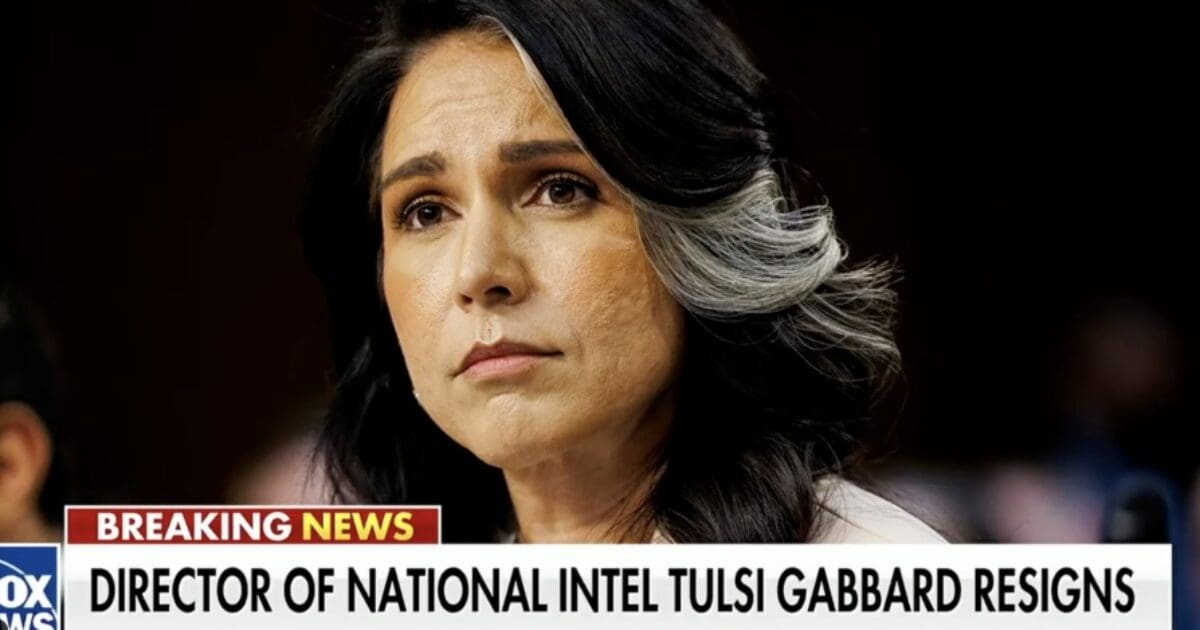
Tulsi Gabbard Resigns as Director of National Intelligence
Tulsi Gabbard stepped down on May 22 citing her husband’s cancer diagnosis. The departure follows three other senior administration exits in the past three months.
May 22, 6:22 PM·1m read1 source
 gellerreport.com
Audio version
Tap play to generate a narrated version.
Developing·Limited corroboration so far. This page will refresh as more sources emerge.
Tulsi Gabbard resigned as director of national intelligence on May 22, citing her husband’s cancer diagnosis. The move marks the fourth senior departure from the administration in three months.
The homeland-security secretary, the attorney general and the secretary of labour left their posts earlier this year. Gabbard had already been excluded from most major decisions before her resignation.
Her exit occurs while the administration considers renewed military action against Iran, a step she had previously opposed. The article does not detail any replacement process or timeline for filling the position.
Transparency
How sources framed this
Single source — no framing comparison available.
CorroborationLimited · 1 source