Turkey Shifts Regional Policy Toward Stability in Syria and With Kurdish Groups
Turkey has moved from military operations in Syria and confrontation with Kurdish groups to supporting the new Syrian government and exploring a deal with the PKK. The policy change follows the fall of the Assad regime in December 2024. Israel has expressed wariness about Turkey's expanded role in Syria.
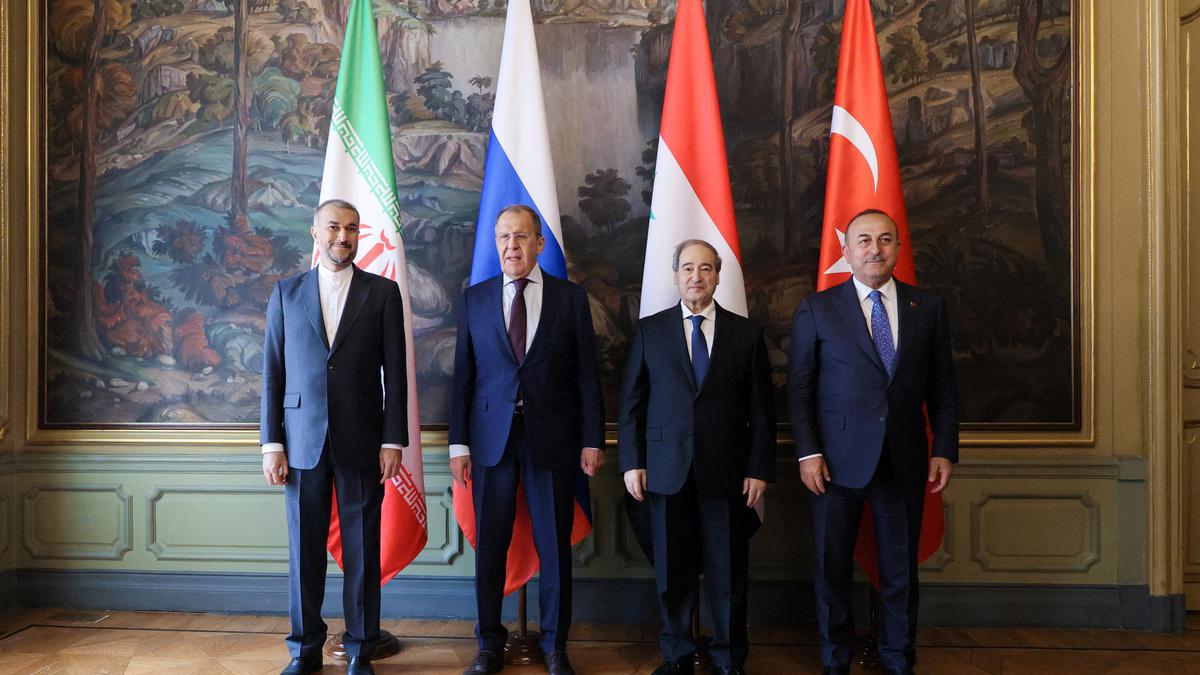 thehindu.com
Turkey has altered its approach to regional conflicts, moving away from frequent military engagements toward policies that emphasize stability in Syria and potential reconciliation with Kurdish militants. Several years ago Turkish media often carried statements from Ankara that highlighted new conflicts.
Turkey was engaged in operations against the Kurdistan Workers Party, which it designates as a terrorist organization. It maintained a military presence in northern Syria since 2016 and bases in northern Iraq dating to the 1990s while also facing tensions with Greece and involvement in Libya.
The government in Ankara now backs the new Syrian government that took power after the Assad regime fled Damascus in December 2024. Turkish officials have supported the integration of the Syrian Democratic Forces into the new Syrian security apparatus.
This marks a reversal from 2019 when Turkish forces entered Syria specifically to combat the SDF and conducted drone strikes against the group despite its cooperation with NATO ally forces. Turkey accused the SDF of links to the YPG, which it considers the Syrian extension of the PKK.
In the current policy, Ankara is assisting with Syrian reconstruction and efforts to modernize Damascus's forces. Jerusalem has viewed these developments with concern, seeing Turkey's growing presence in Syria as a potential threat.
The policy shift accelerated after Hayat Tahrir al-Sham entered Damascus in December 2024. Turkey moved from supporting proxy forces described as weak and corrupt to building direct ties with the new Syrian authorities. Officials have coordinated on these matters with Gulf states as well.
In 2018 Turkish troops entered the Kurdish-held area of Afrin. Ankara had backed a Syrian proxy force known as the SNA, which faced criticism for internal corruption and for weakening the broader Syrian rebellion while focusing on fighting Kurdish groups.
Turkey's approach to the Eastern Mediterranean has also moderated. In 2019 Ankara pursued agreements with the Libyan government that asserted expansive maritime claims affecting areas near Greek islands and Cyprus. These actions included navigational warnings and military exercises that heightened tensions with Greece.
Israel, Greece and Cyprus responded by strengthening their cooperation. Ankara has stepped back from policies that risked broader conflict in the Eastern Mediterranean. Turkish officials are also pursuing a pragmatic track with the PKK after four decades of conflict.
The group has indicated it could disband, disarm or rebrand. Such a development could reduce casualties and displacement affecting Kurdish populations in northern Iraq. The wider Turkish regional policy includes efforts to improve relations with several countries in the Middle East.
This has prompted concerns in Jerusalem where ties between the two countries have deteriorated from earlier periods of closer cooperation. Future political changes in both countries could open possibilities for renewed dialogue on issues including Syria and the Eastern Mediterranean.
Transparency
Reported by a single outlet. This score reflects source tier and factual specificity — corroboration is limited with one source.
Story details
Related Stories
 usmagazine.com
Dua Lipa and Callum Turner Marry in Civil Ceremony at London Registry Office
The couple held a civil ceremony Sunday at the London venue. They plan a second wedding and three-day reception in Italy.
 jpost.com
UK bars two U.S. online commentators from entering for festival appearances
British authorities canceled electronic travel authorizations for two American commentators scheduled to appear at events in London this week. Officials cited assessments of risk to UK society. The commentators said the decision followed their criticism of Israeli actions in Gaza…
 Euronews
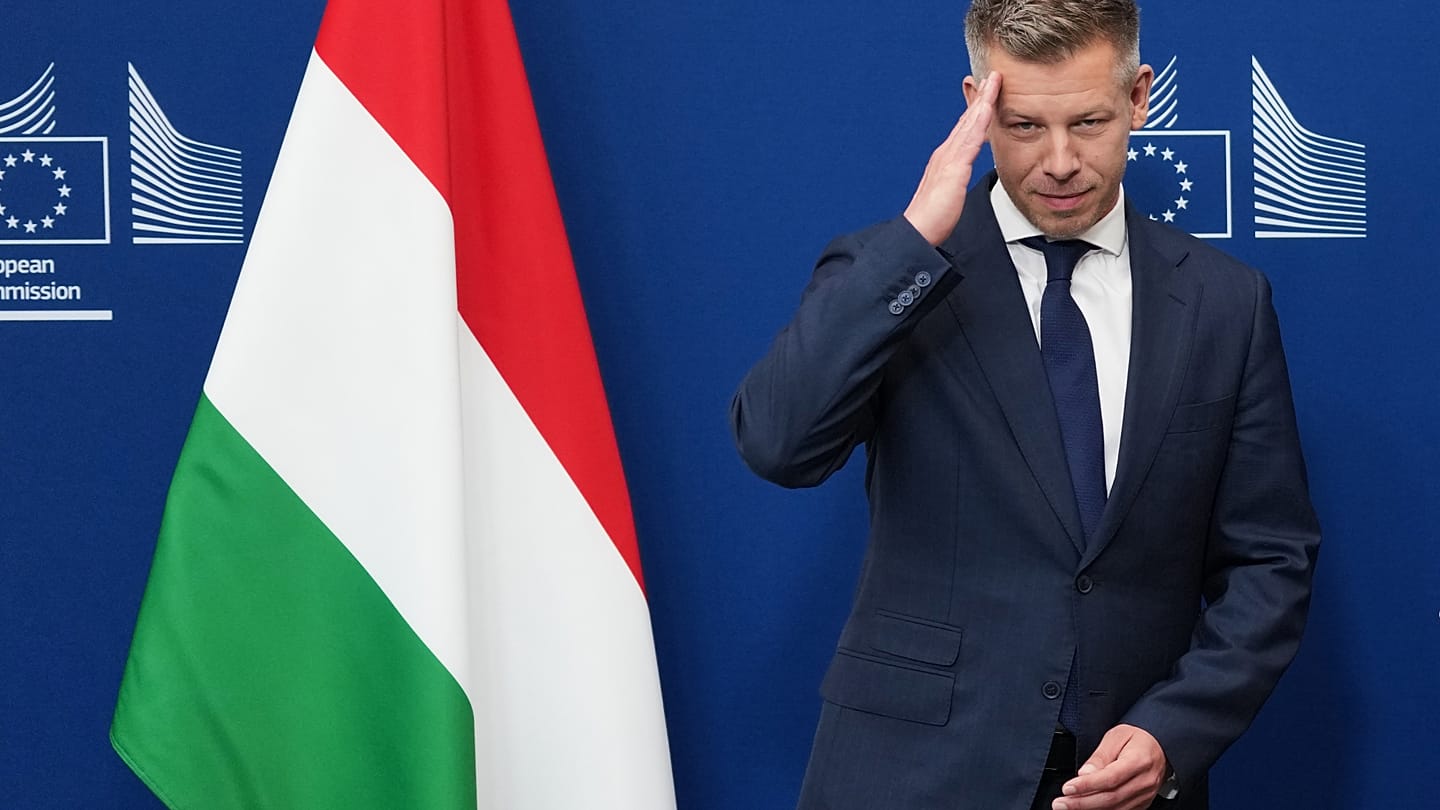
Hungary’s Prime Minister Péter Magyar to Meet German Chancellor and French President
Péter Magyar will visit German Chancellor Friedrich Merz on Tuesday and French President Emmanuel Macron on Wednesday. The meetings follow a political agreement to unfreeze €16.4 billion in EU funds.