world
Turkey Unveils First Domestically Developed Intercontinental Ballistic Missile
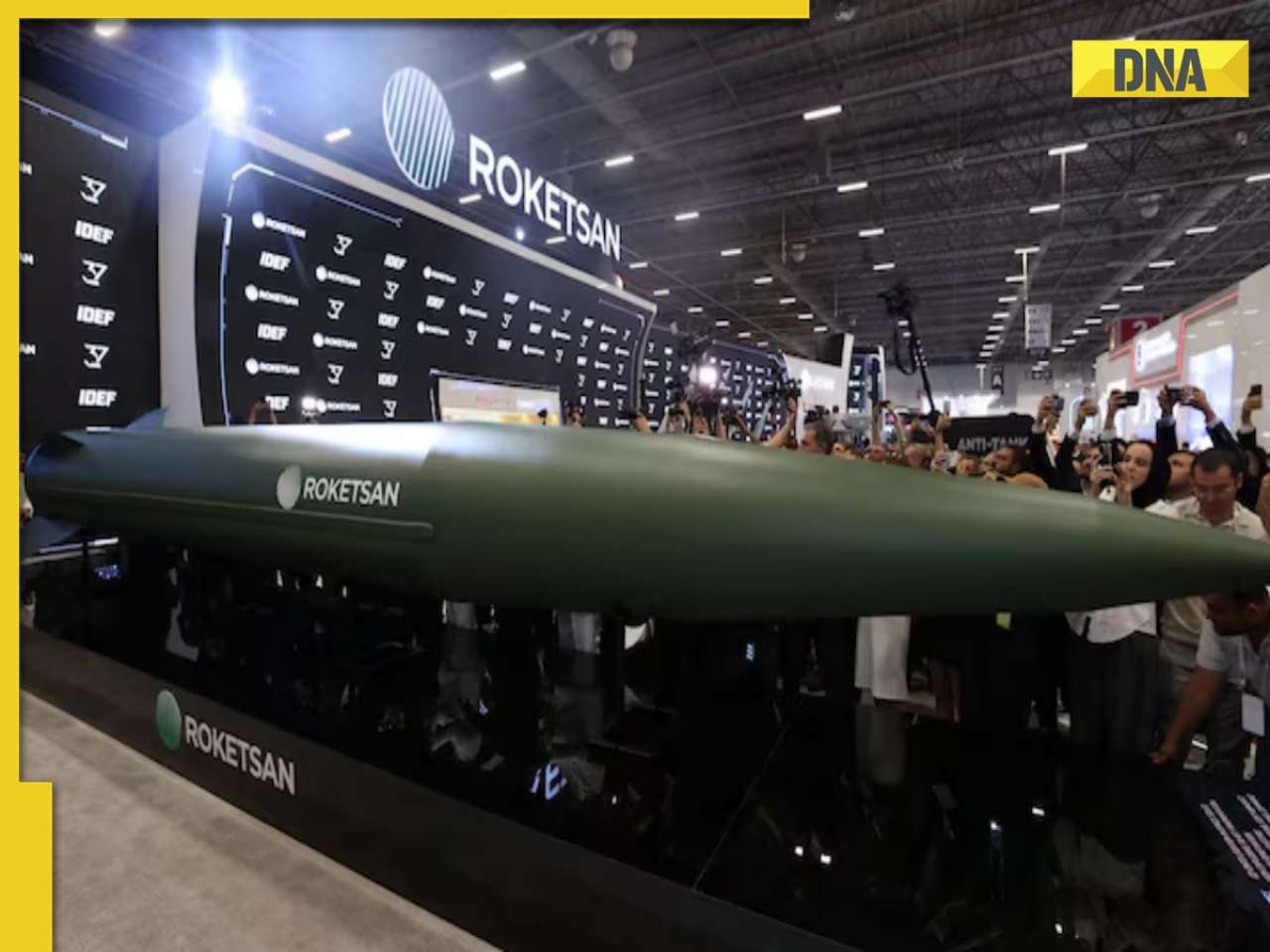
Turkey displayed the Yildirimhan intercontinental ballistic missile for the first time at the SAHA Expo 2026 in Istanbul. The missile has a reported range of 6,000 km and a payload capacity of up to 3,000 kg. The unveiling occurred as the country pursues greater defense industry autonomy.
May 7, 5:22 AM·2m read1 source
JE
 dnaindia.com
Audio version
Tap play to generate a narrated version.
Developing·Limited corroboration so far. This page will refresh as more sources emerge.
Turkey unveiled its first domestically developed intercontinental ballistic missile, named the Yildirimhan, at the SAHA Expo 2026 defense and aerospace exhibition in Istanbul on Tuesday. The missile has a range of up to 6,000 km and a payload capacity of up to 3,000 kg.
It uses liquid nitrogen tetroxide and four engines to reach speeds between Mach 9 and Mach 25, according to information released at the event. The Yildirimhan was developed by Turkey’s National Defense Ministry R&D Center. Defense officials displayed the missile as part of efforts to expand the local defense industry and achieve near-complete self-sufficiency in military needs by 2030.
Turkey has made defense autonomy a national priority.
Officials are investing in missiles, unmanned platforms and air defense systems while seeking to establish the country as a reliable defense supplier to allies. A defense minister stated that recent conflicts, including the war between Russia and Ukraine and the recent war against Iran by the United States and Israel, had provided critical data for security doctrine and increased responsibilities.
The minister added that in an era where economic cost functions as an asymmetric weapon, Turkey offers allies both weapon systems and technology along with a sustainable security economy. In the missile domain, Turkey is advancing long-range and hypersonic systems.
The Tayfun Block-4 ballistic missile, capable of speeds above Mach 5 with an 800 km range, completed successful testing last week with mass production planned by the end of 2026.