Two Studies Examine Bird Collision Risks at Offshore Wind Turbines
Two recent studies analyzed bird interactions with offshore wind turbines and found low collision rates. One study at the Aberdeen Bay wind farm recorded no collisions over 19 months. A separate study reported that over 99 percent of migratory birds avoided turbines.
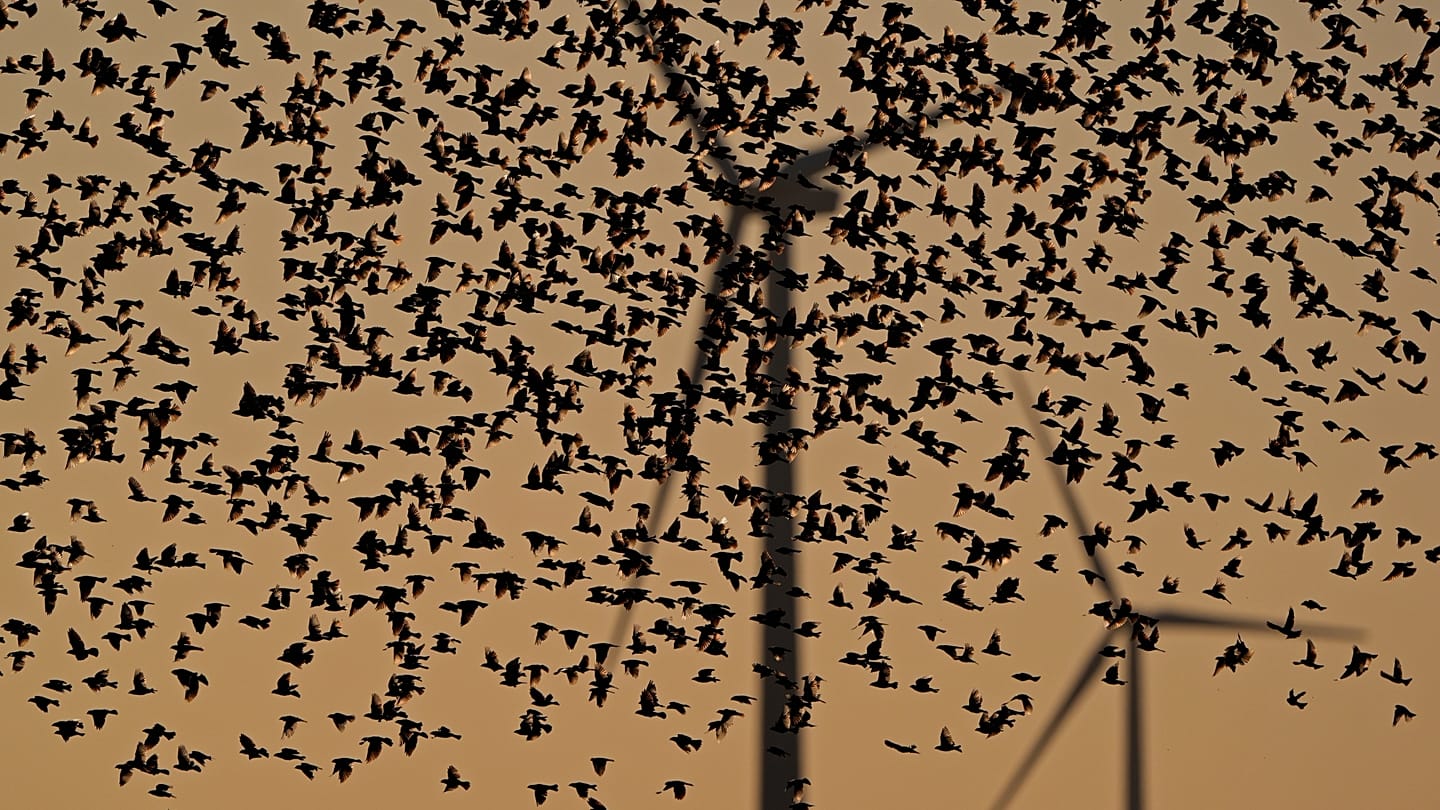
EuronewsA study reported that migratory birds avoided the turbines. Officials from BWO stated that the findings confirm offshore wind energy expansion can align with bird protection. AI-controlled stereo cameras measured flight activity in rotor areas, while bird radar recorded migration patterns.
The comparison of these data sets calculated the avoidance rates. The study provides data on migratory bird behavior at offshore sites in Germany.
Officials at the foundation said that renewable energy expansion must not compromise species conservation, as biodiversity protection is as urgent as climate protection. The foundation commissioned a study calling for minimum nature conservation rules.
That study noted that current legal regulations for bird protection do not meet scientific recommendations. The new studies indicate lower collision rates for many bird species than previously estimated, though data gaps remain. Protecting sensitive habitats will be necessary as wind energy expands.
The Aberdeen study contributes to understanding operational risks at existing farms, while the BWO study addresses migratory patterns. Stakeholders, including energy companies and conservation groups, continue to discuss mitigation measures. Future research may clarify risks for specific species and locations.
Key Facts
Story Timeline
3 events- December 2024
Vattenfall and Spoor study monitoring period ends with no bird collisions recorded at Aberdeen Bay turbine.
1 sourceEuronews - June 2023
Vattenfall and Spoor begin 19-month AI-supported video analysis of bird flights near Aberdeen turbine.
1 sourceEuronews - Recent (1.5 years)
BWO study analyzes over four million bird movements, finding 99.8 percent avoidance of turbines.
1 sourceEuronews
Potential Impact
- 01
Offshore wind expansion might proceed with added focus on sensitive habitats.
- 02
Energy companies could adopt AI monitoring to assess wildlife impacts at new sites.
- 03
Studies may inform regulatory updates for wind farm placements to reduce bird risks.
- 04
Conservation groups may push for stricter rules based on Helgoland Paper recommendations.
Transparency Panel
Related Stories
winnipegfreepress.com64 Million Cubic Metres of Rock Slide into Alaska’s Tracy Arm Fjord, Generating 481-Metre Wave
A 64-million-cubic-metre rock collapse into Tracy Arm Fjord produced the second-largest megatsunami on record. The 5.26 a.m. wave reached 481 metres and prompted several cruise operators to stop sending vessels into the area. Scientists attribute the event to long-term retreat of…
koreaherald.comNASA Releases Thousands of Photos from Artemis II Lunar Mission
NASA has released over 12,000 images from the Artemis II mission, which orbited the moon in April 2026. The photos capture views of Earth, the lunar surface, and a solar eclipse observed during the crew's return. Astronauts from the mission also visited the United Nations headqua…
deccanchronicle.comThree Die in Hantavirus Cases on MV Hondius Cruise Ship
A hantavirus outbreak on the MV Hondius cruise ship has killed three passengers and sickened seven others, prompting an international response coordinated by the World Health Organization. The ship, carrying 147 people from 23 nationalities, is set to sail to Spain's Canary Islan…