world
Two Traffic Accidents in Cambodia Kill 14 Garment Workers and Injure 93
Two separate crashes on Saturday killed at least 14 garment factory workers and injured 93 others, mostly women. One crash occurred in Kampong Chhnang province and the other in Svay Rieng province.
May 23, 9:59 AM·1m read1 source
 Abc News
Audio version
Tap play to generate a narrated version.
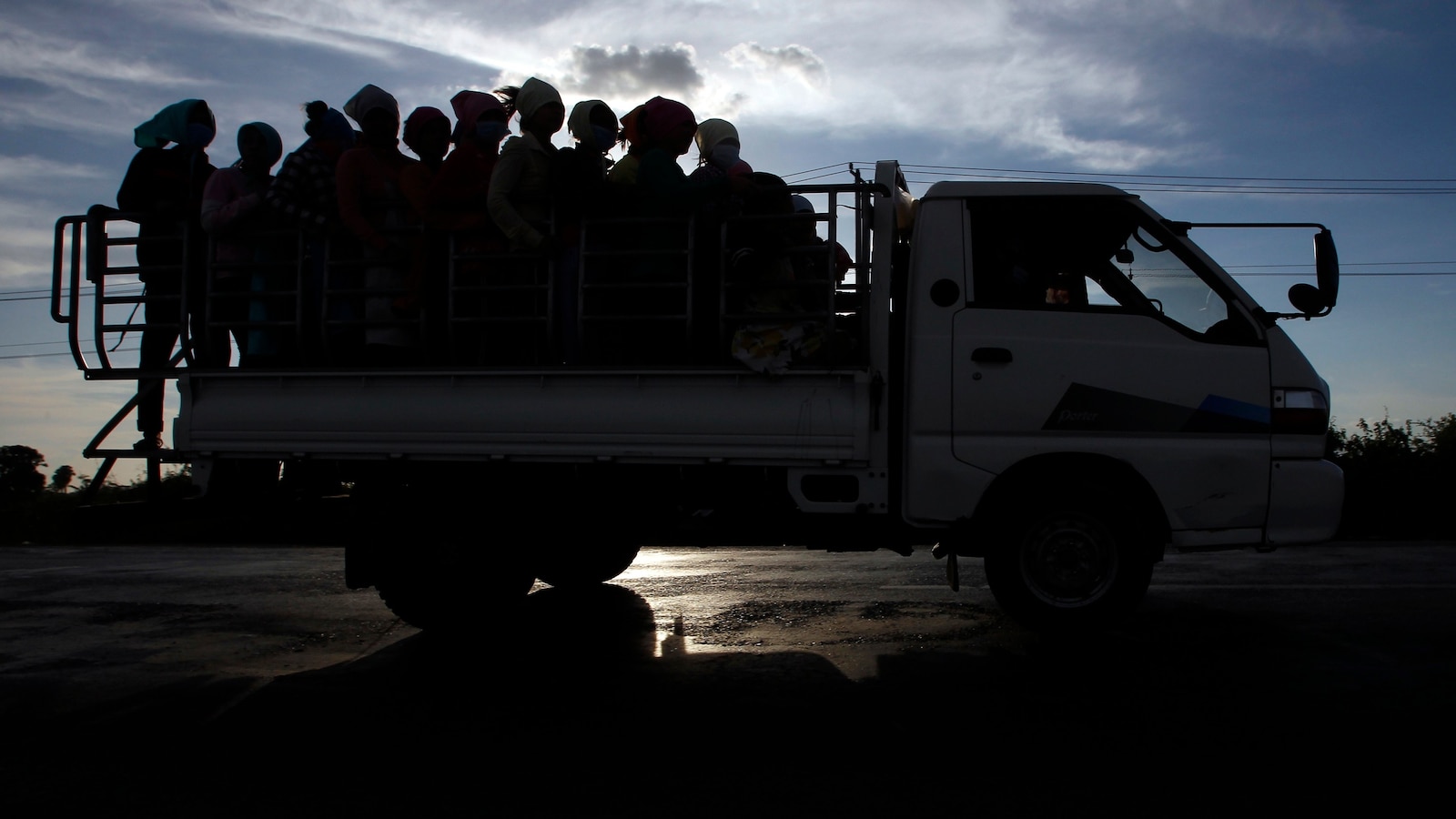
Two separate traffic accidents in Cambodia on Saturday killed at least 14 garment factory workers and injured 93 others, mostly women. The first incident occurred in Kampong Chhnang province, about 60 kilometers north of Phnom Penh. A heavy cargo truck struck an open-top truck carrying workers to a factory, killing nine people and injuring 53, according to a Labor Ministry statement.
The second crash took place in Svay Rieng province. A bus transporting workers veered off the road and overturned, killing five and injuring 40.
Flatbed trucks are the usual method of transport for workers. These vehicles often lack seats or benches, forcing passengers to stand and increasing the risk of injury or death.
The Labor Ministry stated it was “deeply shocked by two horrific traffic accidents that occurred simultaneously” and appealed for strict compliance with traffic laws. A Transport Ministry report recorded 1,467 traffic deaths in 2025, making road accidents the leading cause of accidental deaths in the country.
Cambodia’s garment sector, which includes clothing, footwear, and travel items, employs an estimated 800,000 to 1 million people across roughly 1,900 factories. 5 billion in exports last year, according to the Ministry of Commerce.