U.S.-Iran Conflict Disrupts Strait of Hormuz Shipping, Pushing Oil Prices Above $120 Per Barrel
The Strait of Hormuz remains effectively closed to commercial traffic since February 2026 due to the U.S.-Iran conflict, supercharging global energy prices. Gulf producers are accelerating investments in alternative export routes to bypass the chokepoint. Experts highlight long-understood vulnerabilities and the need for diversified energy supplies.
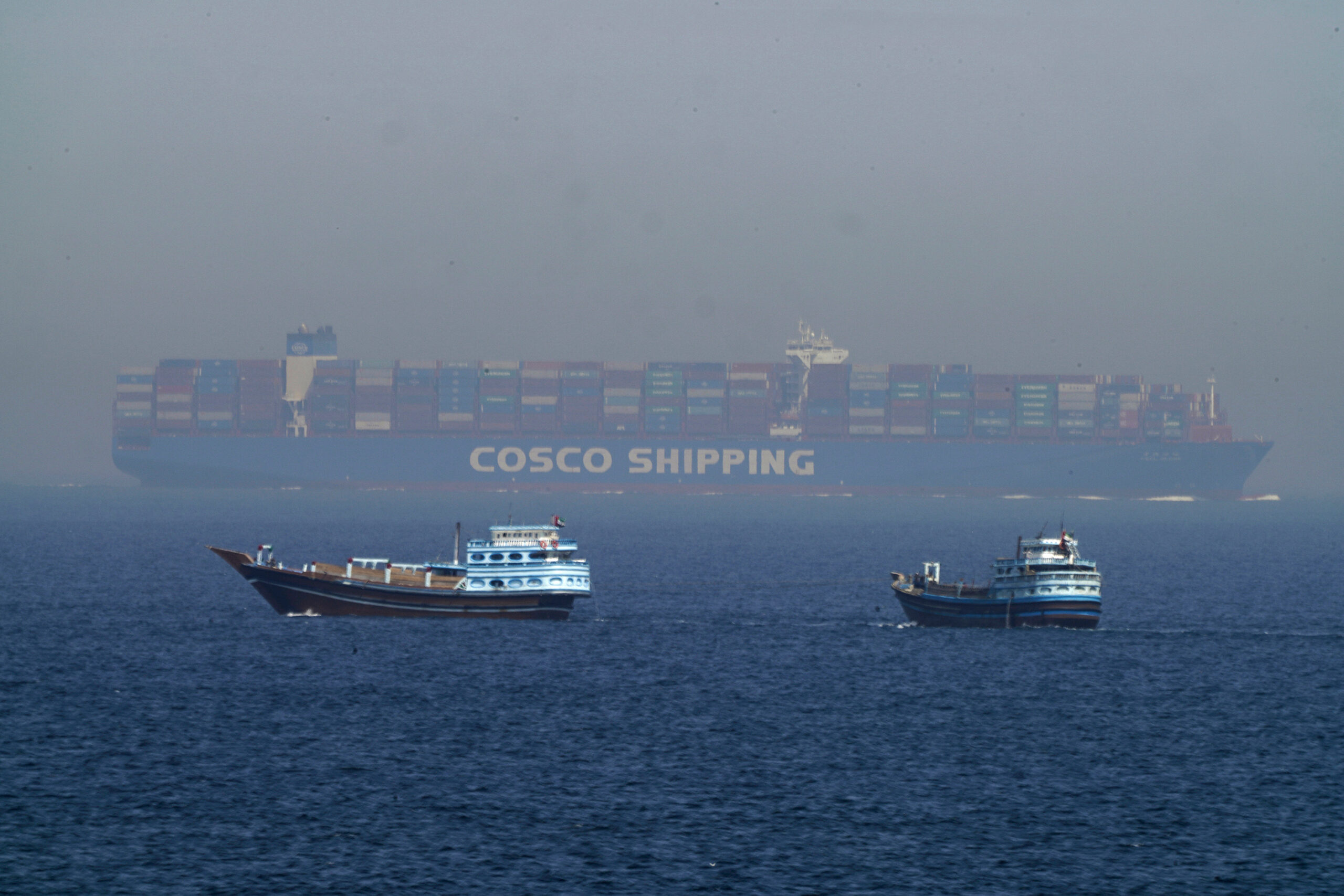
investing.com-Iran conflict. The channel's double-blockade has supercharged global energy prices, with oil reaching toward $120 a barrel during the initial weeks. The Middle East conflict has largely halted shipping via the Strait of Hormuz, impacting the trade of a wide range of energy products, according to the International Energy Agency.
The Strait of Hormuz is located between southern Iran and Oman's Musandam Peninsula, serving as a vital waterway through which around 20% of the world's oil was shipped before the war. Roughly 20 million barrels of oil and petroleum products transited through the Strait of Hormuz every day prior to the closure.
-Iran conflict involves stop-start peace talks, with both sides using the strait as a bargaining chip. Iran controlled access in and out of the Strait of Hormuz for several weeks as oil prices rocketed toward $120 a barrel. S.
Naval blockade of Iranian ports began in mid-April. IEA Executive Director Fatih Birol told CNBC on Thursday that the $110 trillion global economy can be taken hostage by a couple of hundred men with guns across a 50-kilometer stretch of strait. Birol also told CNBC on Thursday that countries should make alternative routes and alternative options for energy supply.
Birol told CNBC years before the current crisis that countries should diversify energy supply routes. Maisoon Kafafy, senior adviser to the Atlantic Council's Middle East programs, told CNBC that risks around the Strait of Hormuz were well understood for years.
Kafafy told CNBC that until the February 2026 closure, the costs did not reach the threshold that would justify the scale of investment alternative infrastructure requires.
Lucila Bonilla, lead emerging markets economist at Oxford Economics, told CNBC on Tuesday that the war has accelerated investments in bypass routes. Bonilla told CNBC that Tehran's strategy to block the Strait of Hormuz appeared to pay off in the early days of the war. S.
Naval blockade of Iranian ports has neutralized Iran's strategic advantage. Saudi Arabia and the United Arab Emirates have some oil export routes that do not transit the Strait of Hormuz. Iran, Iraq, Kuwait, Qatar, and Bahrain rely on the Strait of Hormuz to deliver the vast majority of their oil exports, according to the International Energy Agency.
Most exports via the Strait of Hormuz are destined for Asia, with China, India, and Japan being the main importers, the agency states. Iran has attacked energy infrastructure of Gulf neighbors and fellow OPEC producers with missiles and drones.
Gulf states told CNBC that Iran's behavior has created a huge trust gap. Saudi Arabia has the East-West pipeline linking processing facilities near the Persian Gulf to an export hub on the Red Sea. The UAE has the Habshan–Fujairah (or ADCOP) pipeline to the port of Fujairah.
5 million barrels per day of available capacity, according to the International Energy Agency. Saudi Arabia said in March its East-West pipeline is pumping 7 million barrels per day.
Key Facts
Story Timeline
6 events- 2026-04-23
Current date; ongoing U.S.-Iran conflict with stop-start peace talks and persistent Strait of Hormuz shutdown.
1 sourceunattributed - mid-April 2026
U.S. naval blockade of Iranian ports began, neutralizing Iran's strategic advantage.
2 sourcesunattributed · Lucila Bonilla, Oxford Economics - March 2026
Saudi Arabia stated its East-West pipeline is pumping 7 million barrels per day.
1 sourceSaudi Arabia - February 2026
Strait of Hormuz effectively shut to commercial traffic, initiating double-blockade and oil price surge.
3 sourcesunattributed · Maisoon Kafafy, Atlantic Council · International Energy Agency - Years before 2026
IEA Executive Director Fatih Birol advised countries to diversify energy supply routes.
1 sourceFatih Birol, IEA Executive Director - Pre-war period
Around 20% of world's oil shipped through Strait of Hormuz, with daily transit of roughly 20 million barrels.
2 sourcesunattributed · International Energy Agency
Potential Impact
- 01
Global energy prices remain elevated due to halted shipments, affecting importers like China, India, and Japan.
- 02
Widened trust gap between Iran and Gulf neighbors following attacks on energy infrastructure.
- 03
Accelerated investments in bypass infrastructure by Gulf states, reducing future reliance on Strait of Hormuz.
- 04
Neutralization of Iran's early war advantage through U.S. blockade, shifting regional export dynamics.
- 05
Potential long-term diversification of global energy supply routes to mitigate chokepoint vulnerabilities.
Transparency Panel
Related Stories
US Treasury Secretary Announces No Renewal of Iranian and Russian Oil Waivers
US Treasury Secretary Scott Bessent stated that the United States will not renew waivers for purchasing Iranian and Russian oil products at sea. This decision comes amid the US-Israeli war in Iran and the closure of the Strait of Hormuz, impacting global energy markets. Bessent c…
algemeiner.comIran Denies Seeking U.S. Talks as Mediators Report Potential Meetings
Iran has denied requesting direct talks with the United States, stating that U.S. officials are pushing for negotiations through Pakistani intermediaries. A Pakistani official reported that delegations from both countries are set to meet with mediators, with a possible direct mee…
Trump Administration Considers Defense Production Act for Spirit Airlines Bailout
The Trump administration is exploring the use of the Defense Production Act to provide a $500 million loan to Spirit Airlines amid its second bankruptcy in two years. Rising jet fuel costs from the Iran war have strained the airline, prompting discussions of federal intervention…