world
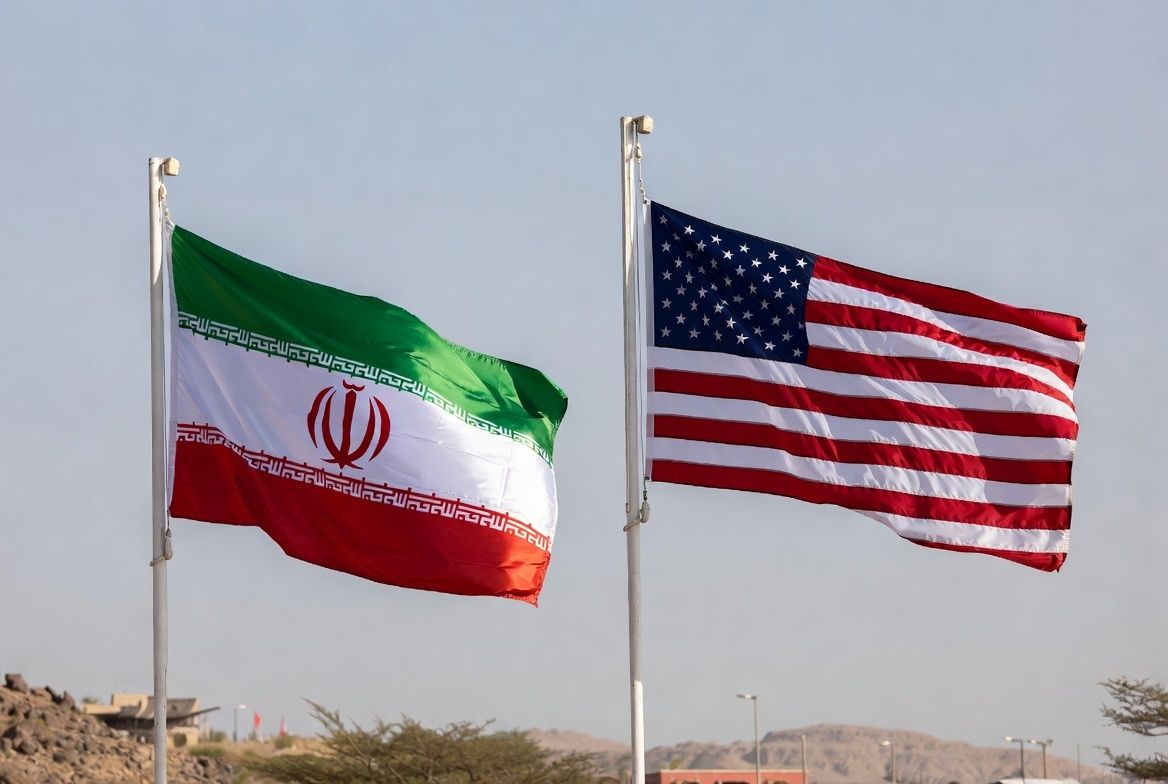
U.S.-Iran deal reopens Strait of Hormuz for shipping
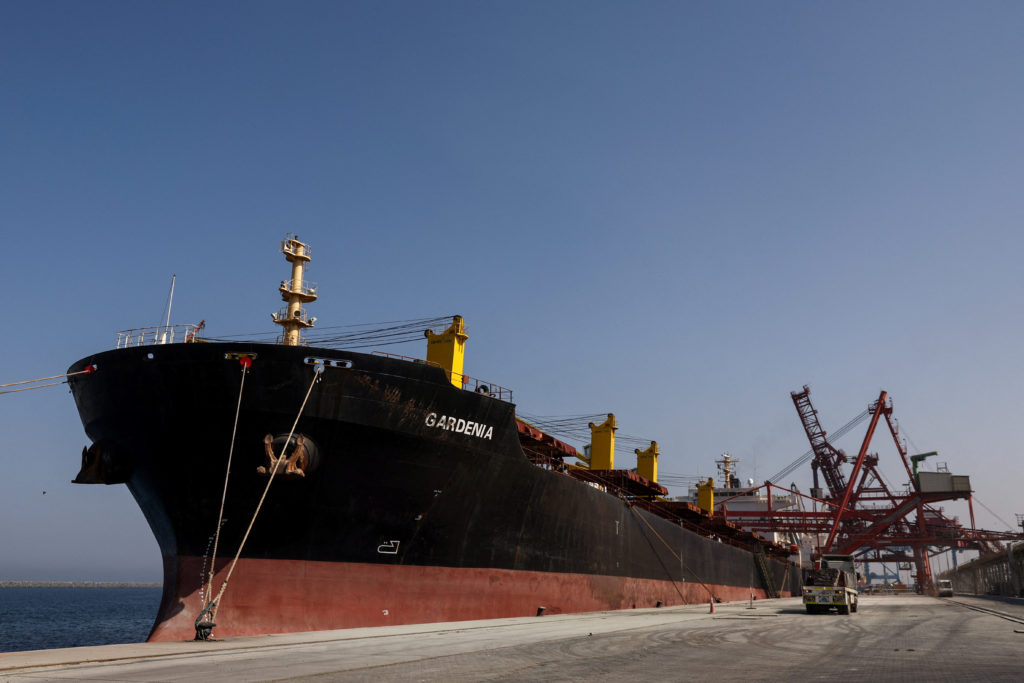
A U.S.-Iran agreement allows commercial traffic to resume through the Strait of Hormuz. Shippers have not yet returned in large numbers, and regional oil facilities and stockpiles require additional time to return to normal levels.
May 24, 11:18 AM·1m read1 source
 pbs.org
Audio version
Tap play to generate a narrated version.
Developing·Limited corroboration so far. This page will refresh as more sources emerge.
The deal removes previous restrictions that had limited vessel movements through the waterway. Shippers have so far shown limited willingness to resume transits. Industry participants cited ongoing uncertainty about the durability of the agreement and the security environment.
Restoration timeline Oil production facilities and storage inventories in the region will require additional time to return to prior operating levels. The process involves restarting equipment and replenishing stocks that were drawn down during the period of restricted access.
The pace of recovery will depend on how quickly operators can bring facilities back online and how shippers assess risk in the weeks ahead.
Transparency
How sources framed this
Single source — no framing comparison available.
CorroborationModerate · 1 source