U.S.-Iran War Drives Surge in Tanker Shipping ETF Amid Oil Supply Shifts
The ongoing U.S.-Iran war has led to a dramatic rise in shipping costs, boosting the Breakwave Tanker Shipping ETF by over 600% this year. Japan received its first U.S. crude oil shipment since the conflict began, as nations seek alternative suppliers. Questions persist about the legality and implications of the strike that killed Iran's supreme leader.
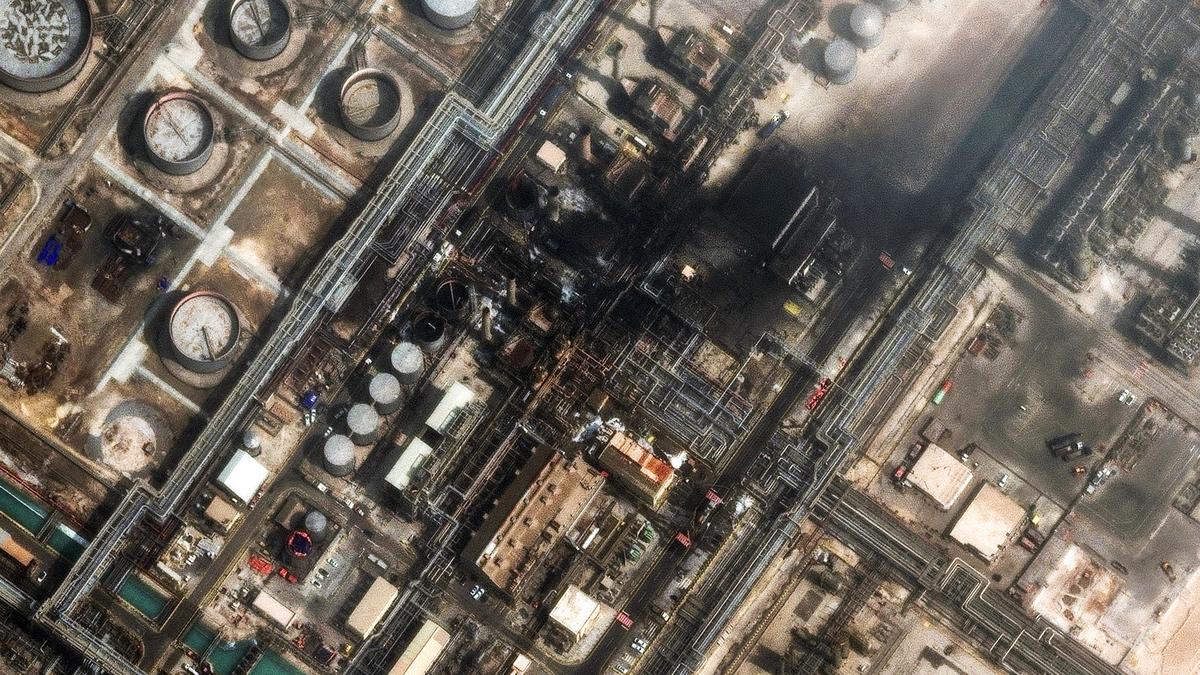
swarajyamag.comThe U.S.-Iran war has disrupted global energy markets, causing freight rates for oil tankers to skyrocket and prompting investors to turn to related financial instruments. The Breakwave Tanker Shipping ETF, ticker BWET, has surged more than 600% since the start of the year, outperforming crude oil prices which rose around 60% in the same period.
Rising tensions in the Strait of Hormuz and disruptions to key maritime corridors have driven this increase in shipping costs.
Investors are pivoting toward energy infrastructure plays amid geopolitical volatility, rather than direct bets on oil prices. The ETF, with about $30 million in assets, tracks crude oil tanker freight rates, which have spiked due to the conflict. Wall Street research teams have noted gains in tanker stocks as a result.
“It really is a story about shipping costs. Anytime you have some big disruption to shipping ... freight futures skyrocket and there's one ETF that captures pretty much that performance better than anybody else." — Cinthia Murphy, VettaFi director of research (CNBC). The rally highlights underinvestment in energy infrastructure and the need for more resilient supply chains worldwide. Countries and companies are scrambling to find stable energy sources amid the conflict.”
Japan received its first shipment of U.S. crude oil since the war began, as the government seeks to increase procurement from non-Middle Eastern suppliers. This move reflects broader efforts to diversify oil imports amid disruptions in the region. The Baltic Exchange Dry Index rose over 6% in the past week and 41% year-to-date, indicating wider shipping cost increases beyond oil.
The war has raised lingering questions about the U.S. authorization of a strike that killed Iran's supreme leader. The action has been described as unprecedented for a U.S. president, potentially normalizing assassinations of foreign leaders.
“We know exactly where the so-called ‘Supreme Leader’ is hiding. He is an easy target but is safe there—We are not going to take him out (kill!), at least not for now." — President Donald Trump, on Truth Social (Washington Monthly). Historical precedents include accusations of U.S. involvement in plots against foreign leaders, though often without direct presidential knowledge. The strike occurred in February during the war's outset, contributing to ongoing tensions.”
Discussions around the conflict have drawn parallels to historical instances of collective delusion or overreach, such as witch hunts or show trials. Some commentary suggests that fervent pursuits of perceived threats can echo past manias, though direct ties to the war remain interpretive. The conflict continues without a resolution in sight, affecting global trade and energy security.
Key Facts
Story Timeline
5 events- Feb 2026
U.S. approved strike killing Iran's supreme leader amid gathering of top officials.
1 sourceWashington Monthly - Jan 2026
U.S.-Iran war began, disrupting maritime corridors and boosting shipping rates.
2 sourcesCNBC · Japan Times - 2026 YTD
Breakwave Tanker Shipping ETF surged over 600% due to war-related volatility.
1 sourceCNBC - Recent days
Japan received first U.S. crude oil shipment since war start.
1 sourceJapan Times - Apr 26, 2026
Commentary published drawing historical parallels to modern unreason amid global events.
1 sourceThe American Conservative
Potential Impact
- 01
Global shipping rates will remain elevated, increasing costs for energy imports.
- 02
Diplomatic norms on targeting leaders could shift in future conflicts.
- 03
Nations like Japan will accelerate diversification of oil suppliers away from Middle East.
- 04
Investor interest in energy infrastructure ETFs will grow amid ongoing volatility.
- 05
Tanker stocks will see sustained gains from higher freight futures.
- 06
Geopolitical risks may prompt underinvestment in regional energy projects.
Transparency Panel
Related Stories
koreaherald.comJudge in Kim Keon Hee Corruption Appeal Found Dead Near Seoul High Court
The presiding judge in the appeals trial of former South Korean first lady Kim Keon Hee was discovered dead near the Seoul High Court early Wednesday. Police are investigating the incident as a possible suicide after finding a note at the scene. The death follows the court's rece…
Survey Shows Most Israelis Oppose Ending Iran Conflict Under Current Terms
A survey by the Israel Democracy Institute indicates that 59 percent of Israelis oppose ending the ongoing conflict with Iran at this stage. Iranian Foreign Minister Abbas Araghchi visited China amid regional tensions and ahead of U.S. President Donald Trump's planned trip to Bei…
news.sky.comFrench Cargo Ship Hit by Missile in Gulf Region, Injuring Filipino Crew
A French-owned cargo ship was struck by a cruise missile in the Gulf region, resulting in injuries to several Filipino crew members. U.S. officials attributed the attack to Iran, according to CBS reports. Three additional incidents have been reported in the area since the strike.