world
U.S.-Israel military cooperation peaked during February Iran conflict
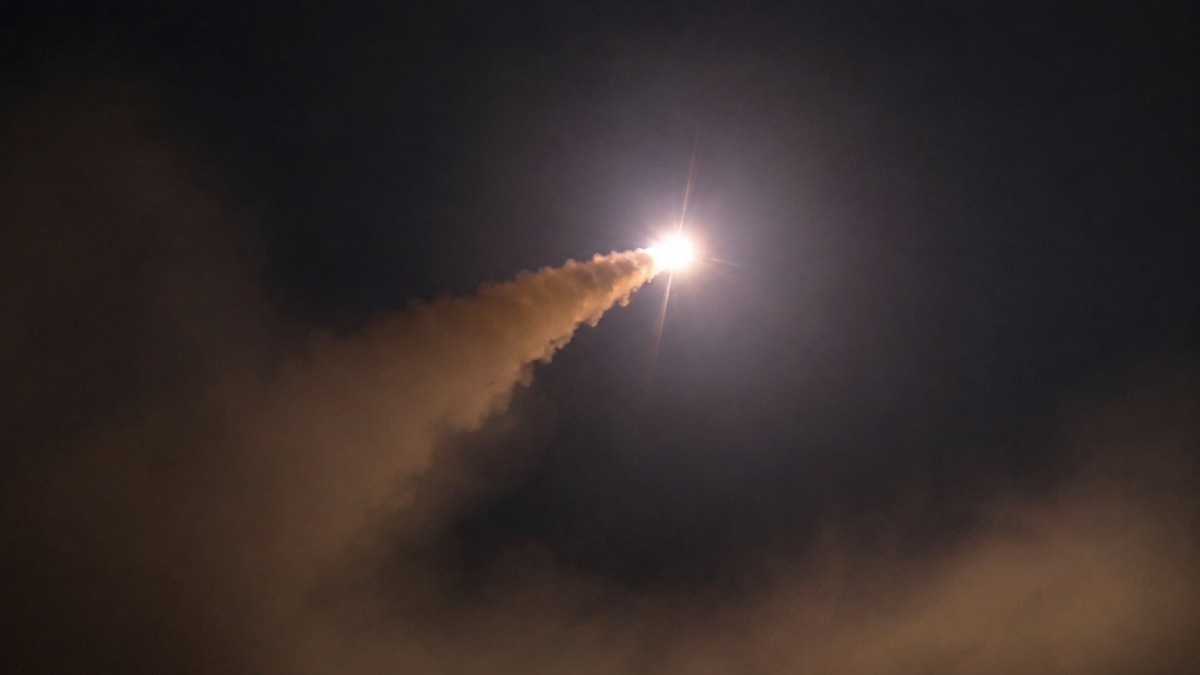
The U.S.-Israel alliance reached a high point of battlefield coordination during the war with Iran that began February 28. Political support in Washington for continued cooperation now faces uncertainty.
May 29, 1:07 PM·1m read1 source
JE
 Substrate placeholder — needs review
Audio version
Tap play to generate a narrated version.
Developing·Limited corroboration so far. This page will refresh as more sources emerge.
The report states there is no denying the historic trust and battlefield cooperation during the recent war with Iran. The same analysis says future prospects for Washington’s support are bleak. A placard featuring U.S. President Donald Trump and Prime Minister Benjamin Netanyahu was displayed by protesters near the UN office during U.S.-Iran nuclear talks in Geneva on February 17.
The analysis concludes that the war will be remembered as the moment the U.S.-Israel alliance reached its highest point and its most politically dangerous one. The report does not provide specific data on future U.S. policy decisions.
Transparency
How sources framed this
JE
JE
Single source — no framing comparison available.
CorroborationLimited · 1 source