world
U.S. Strikes Iranian Arms Transfers and Defense Sites
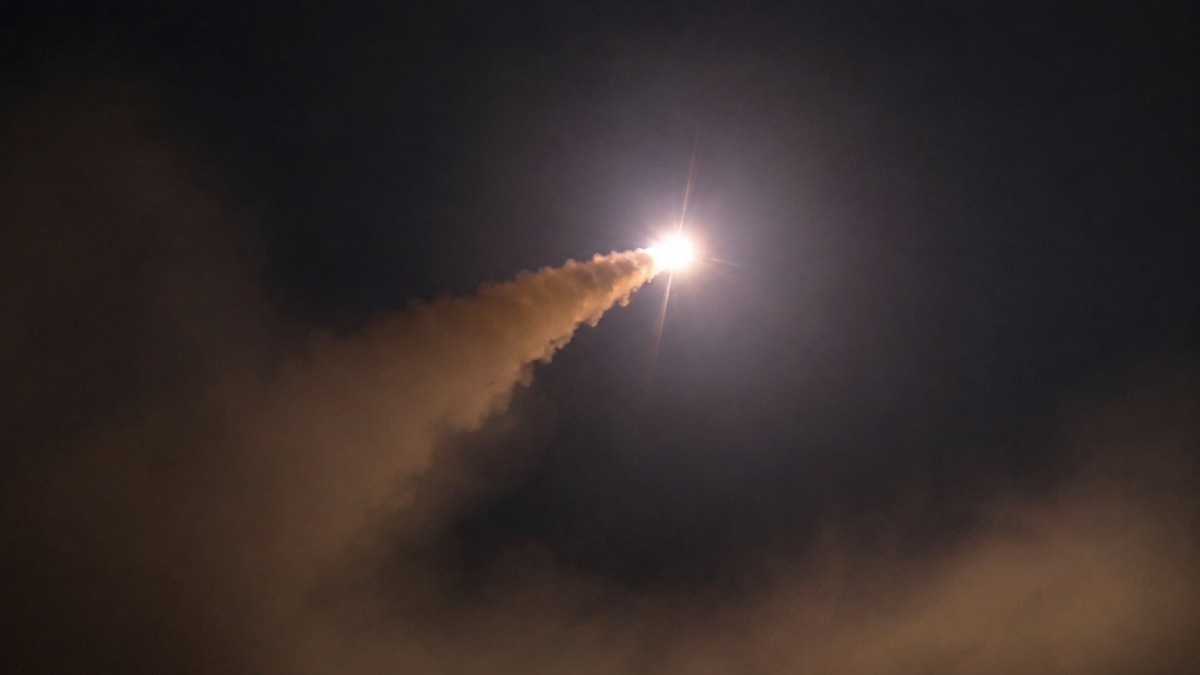
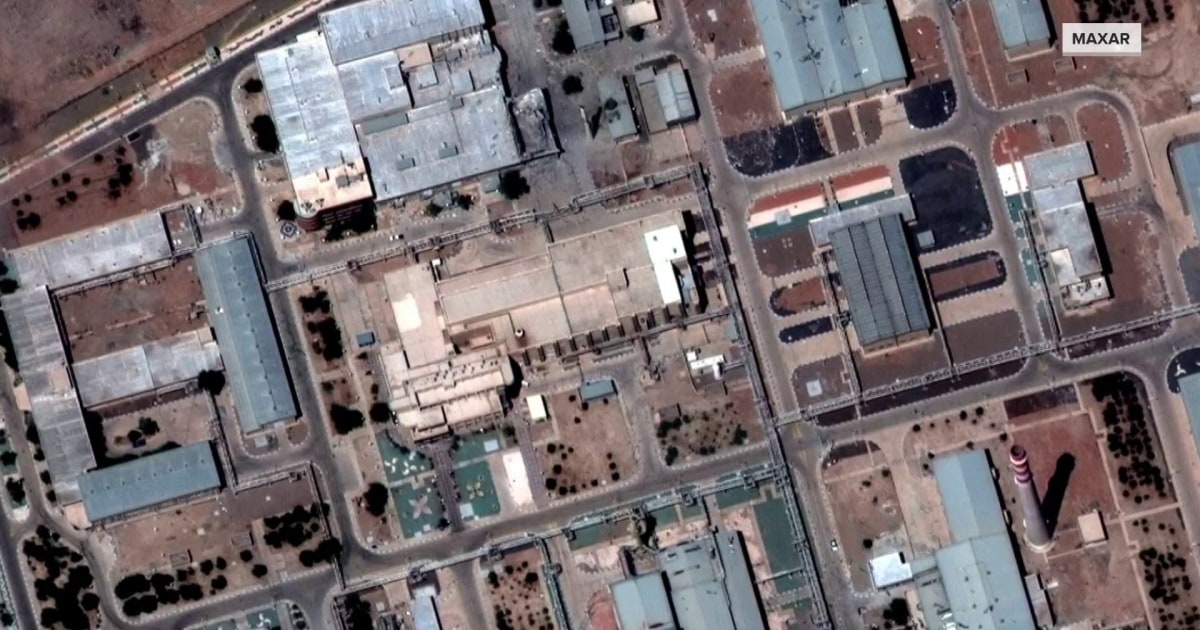
Admiral Brad Cooper, head of U.S. Central Command, told a Senate committee on May 14, 2026 that U.S. military action set back Tehran's defense industry by 90 percent and severed arms transfers to regional proxies. Cooper testified that Iran no longer threatens neighbors or U.S. interests across every domain.
May 14, 11:48 AM·1m read2 sources
JE
 citizen.co.za
Audio version
Tap play to generate a narrated version.
Developing·Limited corroboration so far. This page will refresh as more sources emerge.
U.S. bombings.
U.S. Central Command and commander of the military campaign against Iran, sought to underscore the tactical successes of that campaign.
"Iran has a degraded threat, and they no longer threaten regional partners, or the United States, in ways that they were able to do before, across every domain," Cooper told the committee. " Cooper said Tehran's defense industry has been set back by 90 percent. He added that the war had dramatically reduced the danger posed by Iran to the broader Middle East.
The admiral stated that Iran was no longer able to transfer arms and other resources to Hezbollah in Lebanon, the Houthis in Yemen, and Hamas in Gaza. "Those transfer paths and methods have been cut off," he said. Cooper declined to directly address reports by Reuters and other news organizations that Iran, which stockpiled arms in underground facilities, had retained significant missile and drone capabilities.
U.S. intelligence sources. U.S. admiral who oversaw the campaign against Iran. Cooper's assessment painted a picture of a country whose conventional means of projecting power had been sharply curtailed, even as questions lingered about underground stockpiles.
The commander offered no new details on the scale of remaining Iranian missile or drone forces. Instead he repeated the core assessment that Tehran could no longer sustain its previous pattern of arming and directing proxy groups across the region. Photographs from the hearing showed Cooper seated at the witness table in the wood-paneled committee room as senators questioned him on the strategic aftermath of the conflict.