U.S. Air Force Maintains All 56 Global MQ-9 Combat Orbits Despite Losses, Fleet at 135 Aircraft
The MQ-9 fleet has dropped roughly 54 aircraft below its long-standing inventory floor of 189 as attrition from Operation Epic Fury takes its toll. Lt. Gen. David Tabor told a Senate subcommittee Tuesday that the service can still meet its commitment of 56 combat lines worldwide and is working to backfill the inventory with a cheaper replacement. Sen.
 Defense News
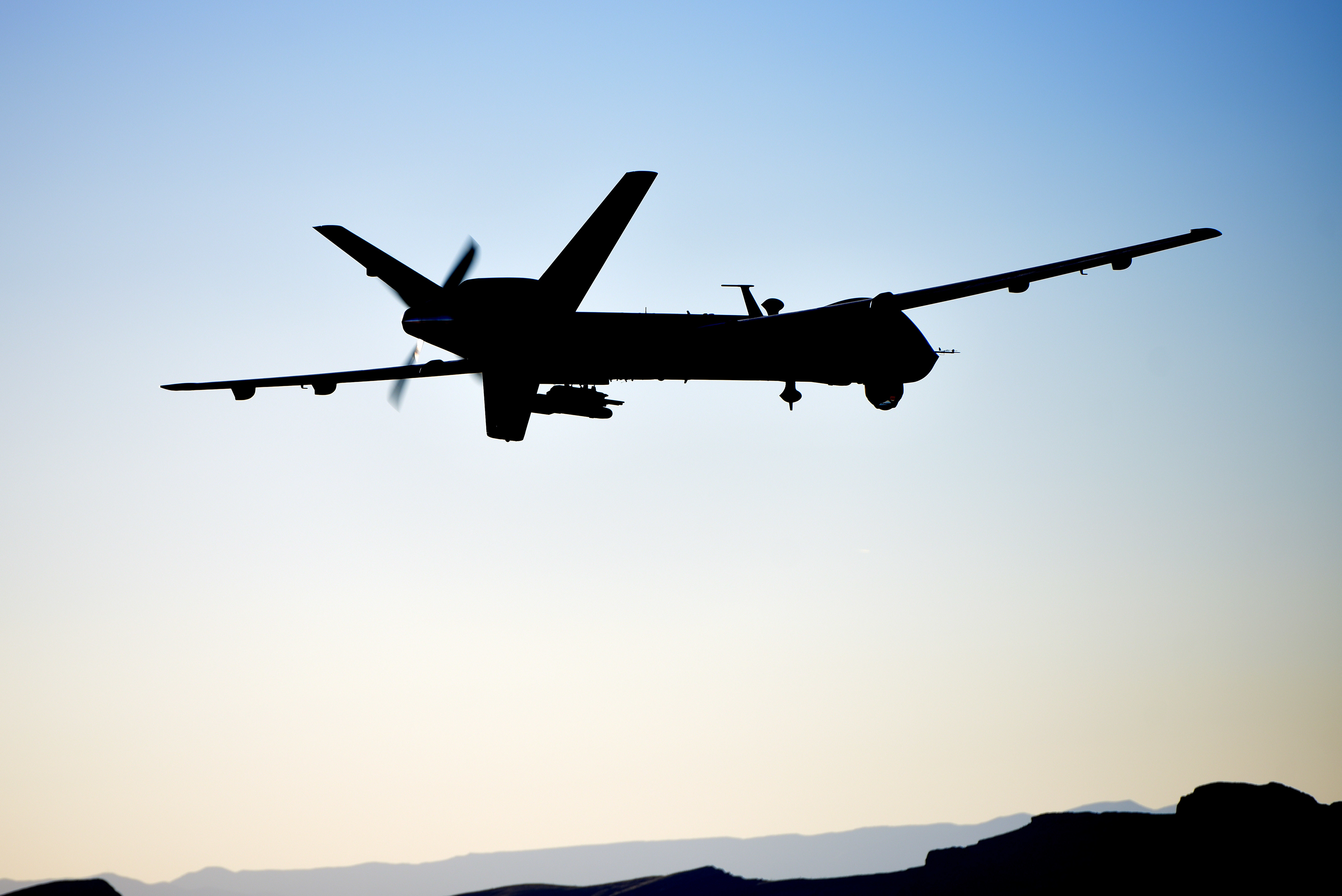
U.S. Air Force MQ-9 Reaper fleet has fallen to roughly 135 aircraft after combat attrition from Operation Epic Fury reduced the service's most heavily used remotely piloted asset. Lt. Gen. David Tabor, deputy chief of staff for plans and programs, told the Senate Armed Services Subcommittee on Airland on Tuesday that the fleet is still able to fulfill its contract of 56 combat lines worldwide.
The 56 combat lines represent the intelligence, surveillance and reconnaissance orbits the Air Force maintains around the clock for combatant commanders worldwide. The long-standing MQ-9 inventory floor is 189 aircraft. The current fleet is roughly 54 aircraft short of that floor, Sen.
Said as he opened questioning at the Senate hearing. Cramer asked what the Air Force plans to do as the MQ-9 platform takes losses in the Middle East while remaining in heavy demand across other combatant commands. Defense News reported that the service is seeking to backfill the MQ-9 inventory and field a cheaper, more expendable replacement.
Its losses in the Middle East have not prevented the Air Force from sustaining the global orbits required by combatant commanders, according to Tabor.
“still able to fulfill our contract of 56 combat lines worldwide”
“— Lt. Gen. David Tabor, deputy chief of staff for plans and programs Tabor's assurance came as the subcommittee examined the impact of sustained combat operations on the remotely piloted fleet. The deputy chief of staff for plans and programs outlined ongoing efforts to rebuild numbers while transitioning toward systems better suited to contested environments. The MQ-9 platform's heavy operational tempo has persisted even as individual aircraft are lost to enemy action in the Middle East. Demand from multiple combatant commands has kept the remaining fleet stretched across intelligence, surveillance and reconnaissance missions that run without interruption. Sen. Kevin Cramer highlighted the gap between the current roughly 135 aircraft and the established 189-aircraft floor during the hearing's opening questions. His line of inquiry focused on both immediate backfill measures and the longer-term acquisition of a more expendable successor design. Defense News reported that the Air Force intends to pursue both paths simultaneously. Officials aim to restore inventory levels while introducing a lower-cost platform less vulnerable to attrition in high-threat areas.”