U.S. Air Force Seeks to Convert Offshore Oil Rigs Into Rocket Recovery Platforms
The U.S. Air Force has issued a solicitation under its Small Business Innovation Research program to study converting decommissioned offshore oil platforms into sea-based landing sites for rocket boosters. The plan targets recovery operations for the U.S. Space Force and commercial launch providers.
 Defense News
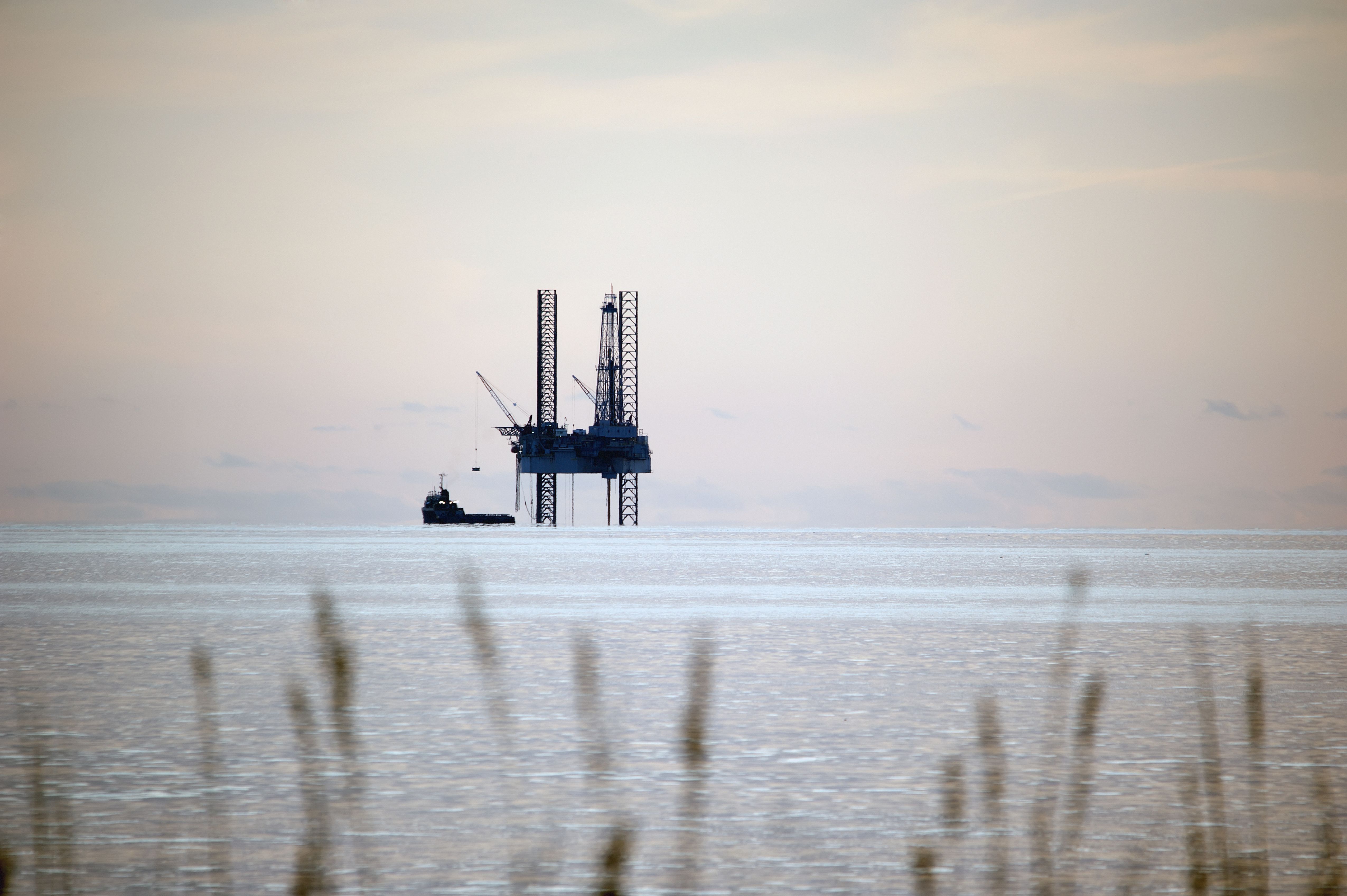
U.S. Air Force is examining the conversion of decommissioned offshore oil platforms into landing sites for reusable rocket boosters. U.S. Space Force and private spaceflight companies. The plan addresses two goals. It would reduce costs associated with recovering heavy-lift rockets for reuse and would give new purpose to oil platforms scheduled for removal.
An Air Force solicitation posted through the Small Business Innovation Research program states that the stations would form a distributed network of recovery sites. The network is intended to increase launch cadence, reduce sonic-boom exposure, and lower operational costs by using existing maritime infrastructure.
The platforms would serve as an alternative to recovery ships currently operated by companies such as SpaceX. The solicitation notes that the approach would reduce dependence on custom-built drone ships and support higher launch frequencies. Platforms would require reinforcement to withstand plume, vibration, and point-load forces from rockets including SpaceX’s Falcon 9, United Launch Alliance’s Vulcan, and Blue Origin’s New Glenn.
Additional features would include flame deflection, fire suppression systems, navigation aids, and systems to transfer boosters to transit vessels.
The first phase of the solicitation requires companies to assess technical and economic feasibility. Work would include structural load analysis, environmental impact assessments, and a regulatory roadmap for operations in federal waters. Companies would also be asked to identify at least three suitable offshore platforms.
Assessments must address sonic-boom effects on shipping and coastal populations as well as impacts on local ecosystems. The platforms must comply with the federal government’s Rigs to Reefs initiative, which converts decommissioned rigs into aquatic habitats.
A second phase would test modular reinforcement kits on representative deck sections using inert-mass drops or static-fire simulations. The solicitation highlights potential benefits for both government and commercial sectors. It states that repurposing legacy offshore assets would increase launch cadence while reducing acoustic and debris risks and would support Tactically Responsive Space capabilities in deep-sea or high-latitude environments.
Key Facts
Potential Impact
- 01
Companies may receive SBIR funding to develop structural reinforcement and environmental assessments.
- 02
If implemented, the stations could reduce reliance on recovery ships for heavy-lift rocket landings.
Transparency Panel
Related Stories
 straitstimes.com
Journalists in Gaza to Receive 2026 Golden Pen of Freedom Award
Three international news agencies will accept the award on behalf of their local staff still reporting from the territory. The World Association of News Publishers cited the journalists' continued coverage under extreme conditions.
 upi.com
Supreme Court Revives Havana Docks Lawsuit Over Confiscated Cuban Property
The U.S. Supreme Court sent a Helms-Burton Act case back to lower courts for further argument. The suit seeks damages from cruise lines that used docks seized by Cuba in 1959.
 France 24
Pakistan Population Growth Outpaces Infrastructure as Male Contraception Stays Taboo
Pakistan's population exceeds 258 million and could reach 300 million by 2030. Contraception remains largely taboo in a society shaped by traditional values. The country continues to lag behind neighbors India and Bangladesh in key social sectors.