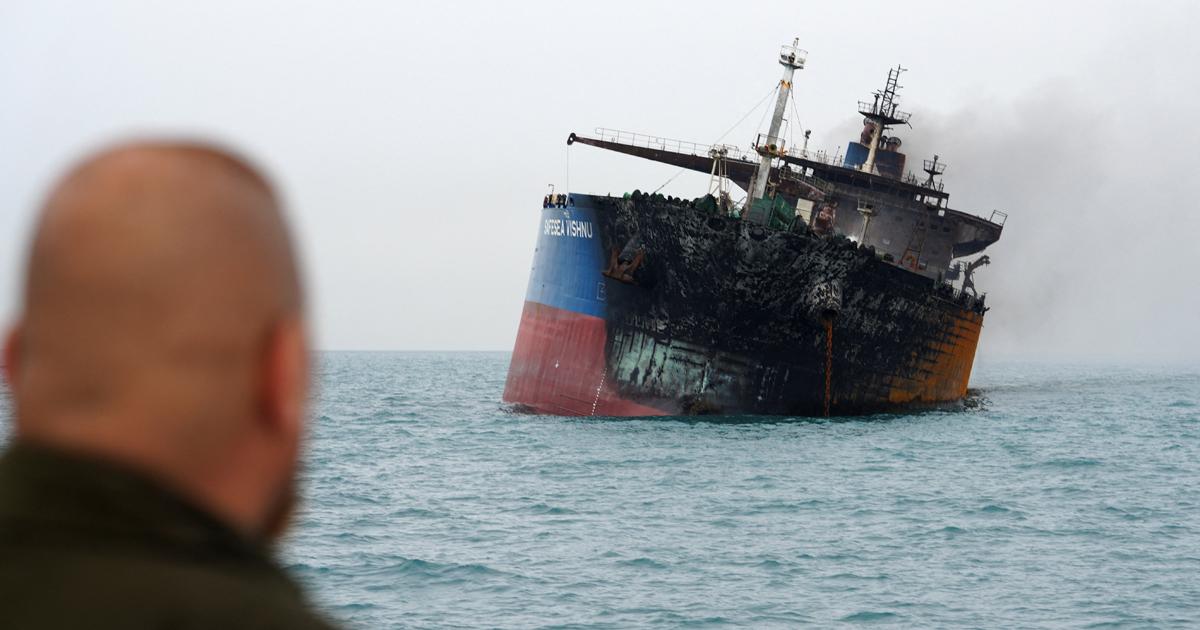
U.S. Apache helicopter downed in Strait of Hormuz was guiding ship-to-ship oil transfers
The helicopter was part of a U.S.-led operation using drones and aircraft to direct tankers through the strait after Iran closed the waterway. Reuters documented at least 92 vessels conducting transfers near Fujairah and Sohar since early May.
A U.S. Apache helicopter shot down by Iran on June 9 was participating in a ship-to-ship oil transfer operation near the Strait of Hormuz, according to four sources cited by Reuters. The operation began in early May after Iran closed the strait in response to the U.S.-Israeli conflict.
It uses aerial and water drones plus helicopters to guide tankers to designated meeting points where oil is transferred to Very Large Crude Carriers.
Transfer locations and volume Satellite imagery reviewed by Reuters showed six pairs of tankers clustered off Oman’s port of Sohar on the day the helicopter was downed. The two main transfer sites are located off Fujairah in the United Arab Emirates and near Sohar.
Shipping data and satellite images indicate at least 92 ships have taken part in the transfers. Reuters calculated that roughly 90 million barrels of crude oil and petroleum products have moved through the network since early May.
Operational details Tankers deactivate transponders and dim lights while traveling in staggered formation at 3,000 to 4,000 meters apart. Transfers typically last between 24 and 40 hours before the loaded VLCCs continue onward. Both crew members of the downed helicopter were rescued by a drone boat, U.S. officials confirmed.
The White House referred questions to U.S. Central Command, which stated that no Central Command forces are participating in offshore ship-to-ship transfers.
Industry participation and risks Greece-based Dynacom Tankers Management is among the operators that have continued shipments through the strait. ” A maritime security source noted limited reliable data on vessel movements, increasing collision risk when ships travel at night without lights.
Four sources said operators must complete a compliance review before receiving transit windows.