world
U.S. Army Reviews Combat Medic Training for Indo-Pacific Operations
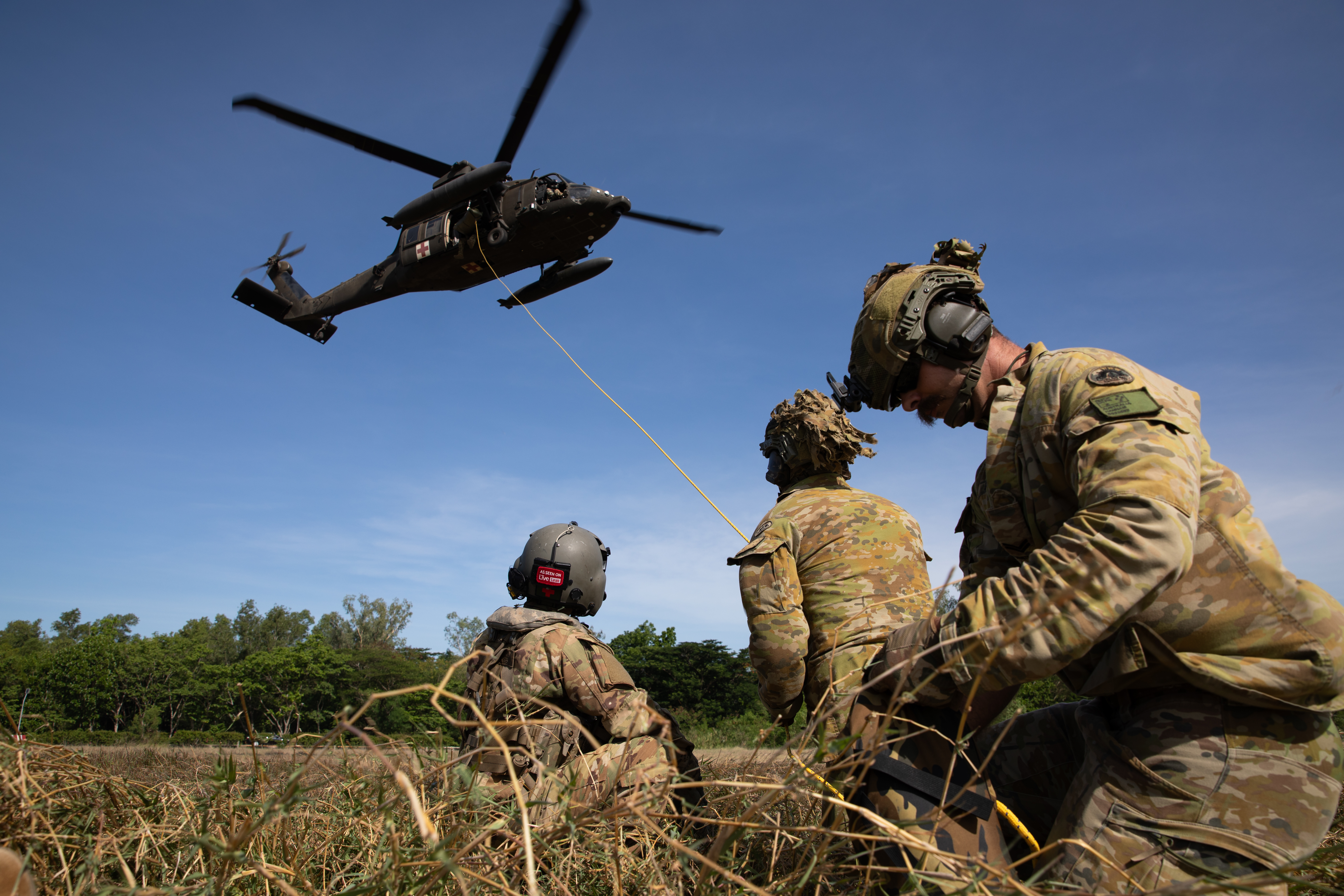
The U.S. Army is examining how distance, contested airspace, communication limits, weather, and fewer evacuation options could affect medical care in a potential Indo-Pacific conflict. Defense News reported these factors may delay treatment for injured personnel.
May 27, 3:07 PM·1m read1 source
 Defense News
Audio version
Tap play to generate a narrated version.
Developing·Limited corroboration so far. This page will refresh as more sources emerge.
U.S. Army is assessing how combat medics would operate in an Indo-Pacific conflict where distance, contested airspace, communication disruptions, weather, and limited evacuation platforms could affect access to medical care. Defense News reported that these conditions may delay treatment for wounded personnel during operations across the region.
Long distances between units and medical facilities could extend the time required to reach injured service members. Contested airspace may restrict aircraft movement, while communication disruptions could hinder coordination between medics and evacuation teams.
Weather conditions common to the Indo-Pacific may further complicate movement and equipment function. Fewer evacuation platforms available in theater would limit options for moving casualties to higher levels of care. The Army has not released a timeline for changes to medic training or equipment based on this review.
Transparency
How sources framed this
Single source — no framing comparison available.
CorroborationModerate · 1 source