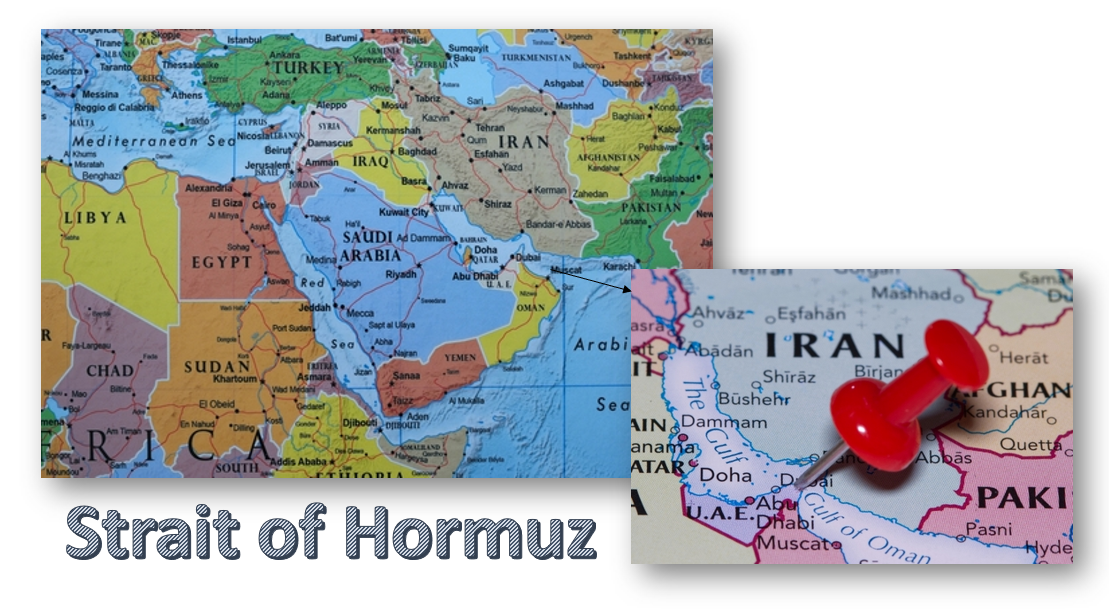
U.S. Blockade in Strait of Hormuz Affects Global Trade and Oil Flows
The U.S. has imposed a blockade in the Strait of Hormuz amid the ongoing conflict with Iran, disrupting shipping traffic and elevating oil prices. Singapore Foreign Minister Vivian Balakrishnan described the situation as a potential precursor to tensions in the Pacific. Singapore maintains trade partnerships with both the U.S. and China while prioritizing its national interests.
Substrate placeholder — needs reviewSingapore views both the United States and China as partners. U.S. entities represent the largest share of foreign investments in Singapore, with American multinational enterprises investing $467.6 billion in 2024. The U.S. trade surplus with Singapore reached $3.6 billion in 2024, a 91.5% increase from 2024’s $1.7 billion, according to U.S. Trade Representative data.
Singapore exported $58.8 billion worth of goods to China in 2023, marking its largest trade partnership with that country. Singapore Foreign Minister Vivian Balakrishnan stated that the country does not need to choose between the two nations.
Balakrishnan described the events in the Strait of Hormuz as a possible dry run for a future conflict in the Pacific between the U.S. and China. He said Singapore is positioned to benefit from developments in both countries but noted the risk if their relationship fractures.
“The main danger is: That relationship fractures if they go to war in the Pacific. What you’re witnessing now in the Strait of Hormuz is just a dry run." — Singapore Foreign Minister Vivian Balakrishnan (@FortuneMagazine). Balakrishnan added that Singapore would assess actions based on its long-term national interests and refuse to choose sides. He stated the country would say no to Washington or Beijing if necessary, without influence from the other party.”
Iran has proposed tolls on ships passing through the Strait of Hormuz to generate revenue, which legal experts say would violate the UN Convention on the Law of the Sea. Such tolls could set a precedent for the Strait of Malacca, a 500-mile waterway near Singapore that carries about 30% of the world's traded goods.
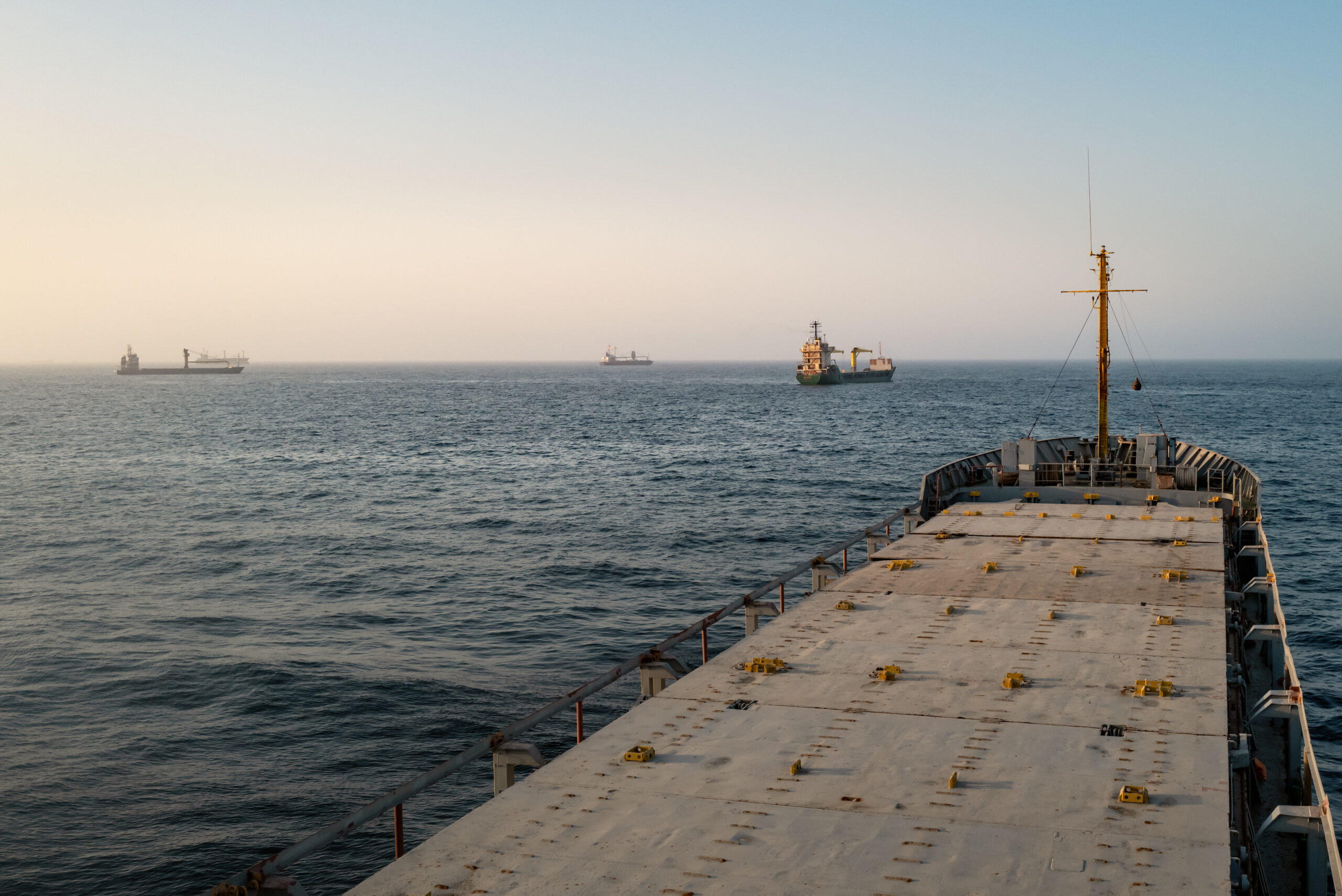
Singapore, Malaysia, and Indonesia have a cooperative mechanism to avoid collecting tolls in the Strait of Malacca, as it aligns with their interests as trade-dependent nations. Balakrishnan said Singapore would not participate in attempts to close, interdict, or impose tolls in the area and would guarantee transit passage for everyone.
An Indonesian finance minister stated that Indonesia is considering levies on vessels through the strait to monetize the chokepoint. Thailand's government is advancing plans for a landbridge connecting the Indian and Pacific oceans to bypass the Strait of Malacca.
The daughter of the Malaysian prime minister and deputy president of the People’s Justice Party criticized Balakrishnan's decision not to negotiate with Iran for access to the Strait of Hormuz. She cited international law on trade route passage and noted Malaysia was among a select few countries granted toll-free passage through the Strait of Hormuz by Iran.
She said in a statement earlier this month that Malaysia will not be lectured on the merits of engagement.
Key Facts
Story Timeline
6 events- 2026-04-23
Ongoing U.S. blockade in Strait of Hormuz disrupts shipping amid war in Iran
1 source@FortuneMagazine - 2026-04-01
Nurul Izzah Anwar criticizes Singapore's decision on Strait of Hormuz negotiations
1 source@FortuneMagazine - 2025
U.S. trade surplus with Singapore reaches $3.6 billion, up 91.5% from 2024
1 source@FortuneMagazine - 2024
American multinationals invest $467.6 billion in Singapore
1 source@FortuneMagazine - 2023
Singapore exports $58.8 billion in goods to China
1 source@FortuneMagazine - Ongoing
Thailand fast-tracks landbridge plans to bypass Strait of Malacca
1 source@FortuneMagazine
Potential Impact
- 01
Elevated oil prices due to disrupted Hormuz shipping
- 02
Increased demand for alternative routes like Thailand's landbridge
- 03
Weakening of U.S. dollar dominance in oil trade
- 04
Strained regional diplomacy in Southeast Asia over trade route policies
- 05
Potential precedent for tolls in Strait of Malacca affecting 30% of global trade
Transparency Panel
Related Stories
The GuardianWHO Chief Visits DRC as Ebola Death Rate Reaches 30-50%
World Health Organization director-general Tedros Adhanom Ghebreyesus arrived in the Democratic Republic of the Congo to support containment of a new Ebola outbreak. The agency revised the death rate to 30-50% based on confirmed cases and recorded 10 confirmed and 223 suspected d…
westernjournal.comGreek National Charged in UK With Aiding Iran-Linked Intelligence Service
A 46-year-old Greek man living in Germany was charged under the UK National Security Act with assisting an intelligence service believed to be Iran by targeting a journalist at Iran International.
physicianonfire.comBilt Rewards reports $1 billion revenue target for 2026
Bilt Rewards CEO Ankur Jain said the company's flagship credit card accounts for less than 11 percent of revenue. The firm now processes more than $100 billion in annual housing spend across one in four U.S. apartment buildings.