science
U.S. Botanic Garden Opens State Flowers Exhibit in Washington Through October 2026
The U.S. Botanic Garden in Washington, D.C., launched a new exhibit showcasing state flowers from all 50 states, the District of Columbia and U.S. territories. Visitors can participate in a scavenger hunt to view the blooms and learn their histories. The display includes paper replicas and preserved specimens, highlighting native plants and climate impacts.
 Science News
Audio version
Tap play to generate a narrated version.
Developing·Limited corroboration so far. This page will refresh as more sources emerge.
U.S. , opened a new exhibit featuring state flowers, available through October 12, 2026. U.S.
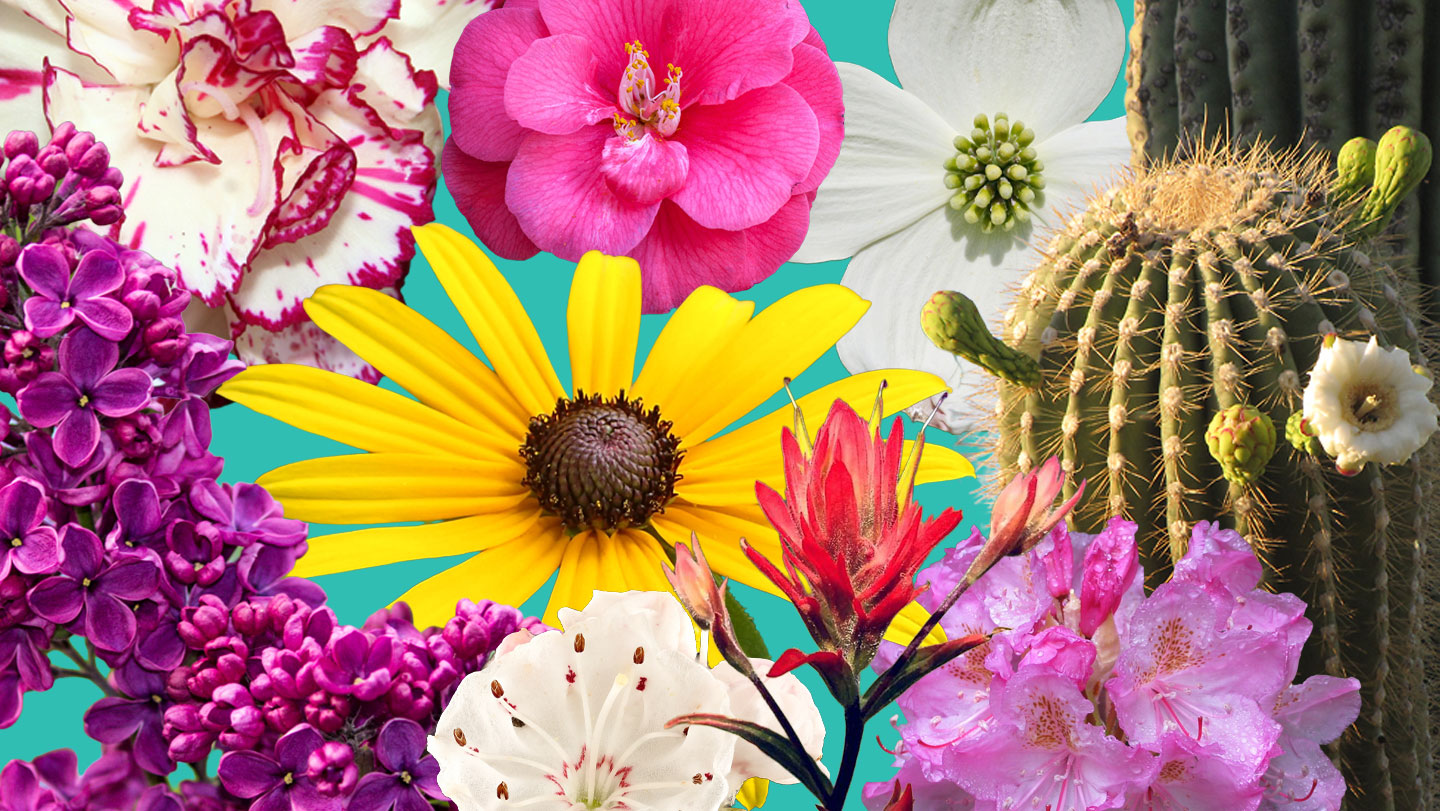
Territories. Experts showcased over a dozen burgeoning blossoms during a tour on the opening day. Oregon’s state flower, the Oregon grape (Berberis aquifolium), is not a true grape. Its roots and stems possess medicinal properties.
“Compounds from the Oregon grape have been used to treat bleeding, arthritis, and tuberculosis,” said Lisa Philander, the garden’s deputy executive director and a medicinal plant expert. Minnesota’s state flower is the pink and white lady’s slipper orchid (Cypripedium reginae), the only state flower that is an orchid. It grows only in areas that experience really cold winters.
Picking the lady’s slipper orchid in the wild is illegal. Maine’s state flower is the white pine cone and tassel, which does not actually have flowers. “Probably the oddest selection of state and territory flowers is the state of Maine, which chose the white pine cone and tassel,” said Susan Pell, the garden’s executive director.
The eastern white pine (Pinus strobus) stands as the tallest conifer in the Northeastern United States. It has been crucial to Maine’s economy since at least the 17th century. Maine adopted the white pine cone and tassel as its floral emblem in 1895, and it appears on Maine license plates.
Different flowers will bloom at varying times throughout the exhibit’s run. –based artist Emily Paluska. Underneath the paper flowers, visitors can flip through books of preserved specimens. “Researchers collected the flora to take a snapshot in time of what plants were occurring in a certain area,” said Susan Pell.